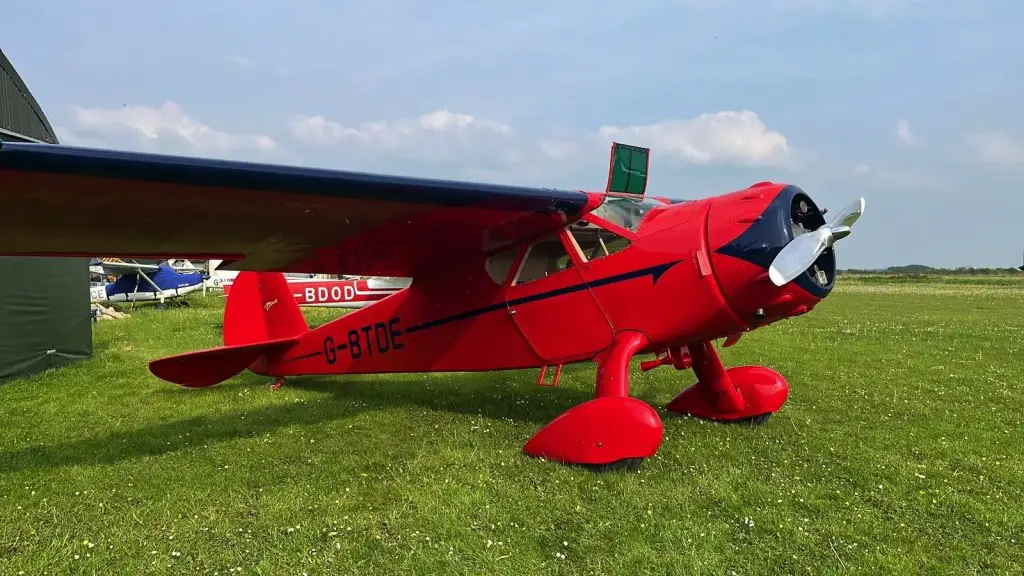
While later Cessna models like the 150 and 172 would become household names through sheer volume, the Airmaster earned its legendary status through sophistication and engineering excellence during a pivotal time. It was the aircraft that saved Cessna, showcased groundbreaking design, and remains one of the most stunning and desirable classic airplanes in the sky today.
In the early 1930s, the Cessna Aircraft Company, battered by the Great Depression, was on the brink of collapse. Founder Clyde Cessna had left, and his nephew, Dwane Wallace, fresh out of college with an engineering degree, took a monumental gamble.
Wallace believed the future was in efficient, high performance personal aircraft. Working with his brother Dwight, he designed an aircraft that was radically advanced for its time. The prototype, known as the C-34, first flew in 1935. Its success was immediate and spectacular. It won the 1935 Denver Air Races and, more importantly, began selling. The revenue from this aircraft literally pulled Cessna back from bankruptcy.
The design evolved through several models (C-34, C-37, C-38, C-145, and C-165), collectively known as the Airmaster. The “165” designation came from the horsepower of its later engine. What set it apart was its construction and aerodynamics. At a time when many aircraft were still angular and braced with wires, the Airmaster featured a beautifully streamlined, semi monocoque metal fuselage, a full NACA engine cowling, and a graceful, cantilevered wing. It looked fast standing still. Production ran from 1935 until 1942, when World War II forced Cessna to shift all manufacturing to the war effort, ending Airmaster production after approximately 182 units were built.
If you are interested, we recommend reading about the Cessna 162 Skycatcher
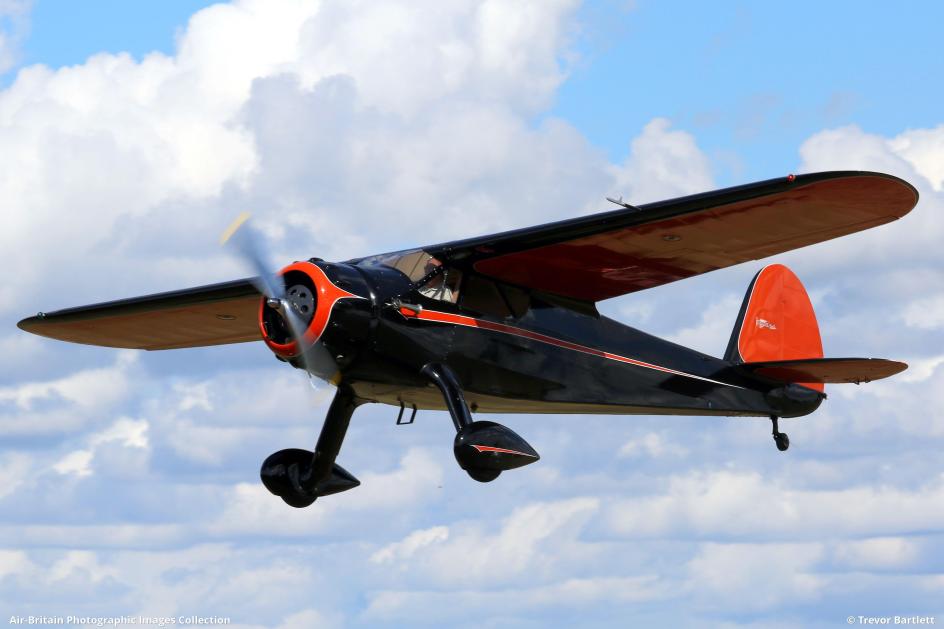
Cessna 165 Airmaster Specifications
For the mid 1930s, the Airmaster’s performance figures were nothing short of remarkable, competitive with many aircraft built decades later.
- Engine: Warner Super Scarab 165, 7 cylinder radial, 165 horsepower
- Propeller: Constant Speed, 2 blade
- Seating: 4, in a “1+3” configuration (one front, three in the rear)
- Length: 24 feet 10 inches (7.57 meters)
- Wingspan: 34 feet 2 inches (10.41 meters)
- Height: 6 feet 10 inches (2.08 meters)
- Empty Weight: Approximately 1,450 pounds (658 kilograms)
- Max Takeoff Weight: 2,350 pounds (1,066 kilograms)
- Useful Load: Approximately 900 pounds (408 kilograms)
- Fuel Capacity: 42 gallons
Performance Figures:
- Cruise Speed: 150 knots (173 mph) – a blistering speed for its day
- Stall Speed: 50 knots (57 mph)
- Rate of Climb: 1,000 feet per minute
- Service Ceiling: 20,000 feet
- Range: 600 nautical miles (690 miles)
These numbers explain its success. It could carry three passengers and baggage at speeds that embarrassed many contemporary aircraft, all while being notoriously efficient on fuel. Its large useful load was a key selling point for practical travel.
Owning a Cessna 165 Airmaster
Owning an Airmaster is not like owning a typical general aviation aircraft. It is an entry into the world of serious vintage aircraft stewardship, restoration, and community. It is a labor of love.
Purchase Price:
Due to its rarity, historical significance, and desirability, the Cessna Airmaster commands a premium. A flying, airworthy example in good condition typically starts at $120,000 and can easily exceed $200,000. Exceptional, award winning restorations can reach $300,000 or more. This places it among the most valuable classic Cessnas.
Ongoing Operating Costs (Annual Estimate):
- Hangar: Non negotiable. A climate controlled hangar is essential to protect the fabric covered wings and metal fuselage. $3,600 to $7,200+ per year.
- Insurance: Agreed value hull insurance for a qualified tailwheel pilot: $2,500 to $4,000+ per year.
- Annual Inspection: Must be performed by an A&P mechanic familiar with vintage and radial engine aircraft. $1,500 to $3,000.
- Fuel and Oil: The radial engine burns both. Fuel burn is roughly 10 gallons per hour. Oil consumption is a normal characteristic of radial engines and must be monitored closely.
- Engine Reserve Fund: The Warner radial engine requires specialized care and eventual overhaul, a very costly endeavor. An annual reserve of $3,000 to $5,000 is prudent.
Total Estimated Annual Fixed Cost: $10,000 to $20,000+.
Frequently Asked Questions (FAQs)
Q1: Why is the Airmaster so significant to Cessna’s history?
A: The Airmaster’s financial success in the late 1930s literally saved the Cessna company from bankruptcy. Its profits funded the company’s survival and provided the capital for postwar development, directly leading to the design of the iconic Cessna 140 and, eventually, the 190/195 series and the 172.
Q2: How many Airmasters are still flying today?
A: Of the 182 built, it is estimated that around 50 to 70 remain in existence, with perhaps 30 to 40 in airworthy flying condition. Each is a prized artifact.
Q3: Can a modern pilot learn to fly an Airmaster?
A: Yes, but it is a process. A pilot must first obtain a tailwheel endorsement in a more common aircraft (like a Citabria or Decathlon). Then, they must receive specific transition training in an Airmaster from an experienced instructor. Its handling is honest but demands respect.
Q4: What is the “1+3” seating configuration?
A: The Airmaster has a single pilot seat in the front. The rear cabin has a bench seat wide enough for three passengers, though it is often configured now with two seats for comfort. It was marketed as a four place aircraft.
Q5: Is the Airmaster all metal?
A: The fuselage is a beautiful, riveted aluminum semi monocoque structure. However, the wings are fabric covered, with metal structure underneath. This was a common and efficient construction method for the era.


 Aviator Tells
Leave a comment