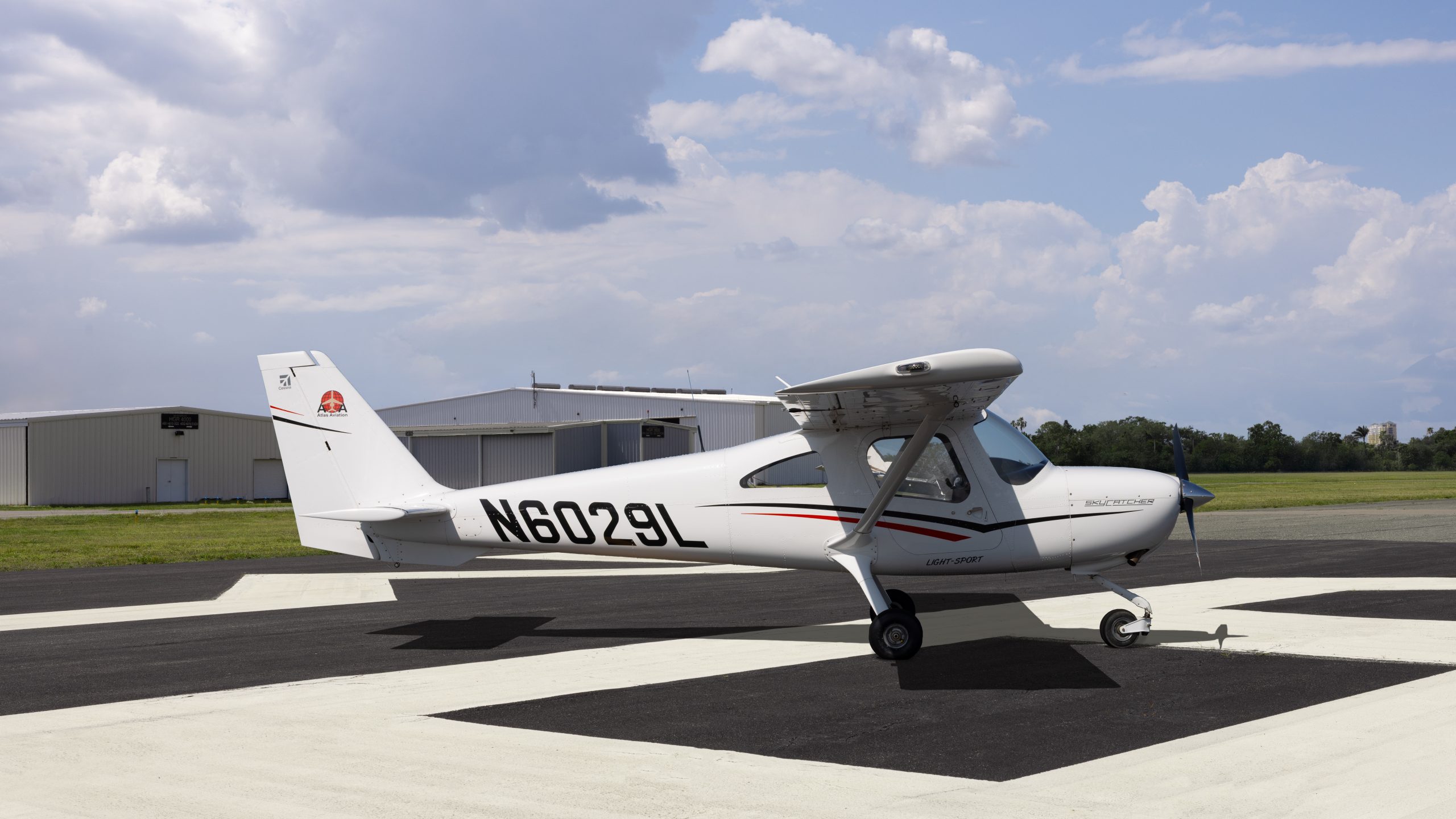
The story of the Cessna 162 cannot be told without understanding the Light Sport Aircraft rule, which the FAA finalized in 2004. This new category created a pathway for simpler, more affordable aircraft with a maximum takeoff weight of 1,320 pounds, a maximum stall speed of 45 knots, and a restriction of two seats. It also introduced the Sport Pilot certificate, a new license requiring fewer training hours than a Private Pilot certificate.
Cessna, seeing an opportunity to capture a new market, announced the Model 162 Skycatcher in 2007. It was a dramatic departure from the tube and fabric design of the classic 150/152 series. The Skycatcher was a modern, all metal, high wing aircraft designed from the ground up to meet the LSA criteria. It promised modern manufacturing, advanced avionics, and the trusted Cessna name.
Initial demand was astronomical, with a reported waiting list of over 1,000 orders. However, the program faced significant challenges. Two early prototype accidents involving in flight structural failures led to a major redesign of the wing spar, causing delays and increased costs. Ultimately, citing these economic challenges and a less robust market than anticipated, Cessna announced the end of Skycatcher production in 2013 after delivering just 275 aircraft.
Get you Cessna 162 Checklist “Click Here“

Cessna 162 Specifications
The Cessna 162 is a snapshot of modern aircraft design, built to precise LSA limits.
- Engine: Textron Lycoming O-235-L2C, 100 horsepower
- Propeller: Fixed Pitch, 2 blade
- Seating: 2, Side by Side
- Length: 22 feet 7 inches (6.9 meters)
- Wingspan: 30 feet (9.1 meters)
- Height: 8 feet 11 inches (2.7 meters)
- Empty Weight: Approximately 830 pounds (376 kilograms)
- Max Takeoff Weight: 1,320 pounds (599 kilograms)
- Useful Load: Approximately 490 pounds (222 kilograms)
- Fuel Capacity: 24 gallons (22 usable)
Performance Figures:
- Cruise Speed: 108 knots (124 mph)
- Stall Speed (Flaps Down): 39 knots (45 mph)
- Rate of Climb: 700 feet per minute
- Service Ceiling: 15,500 feet
- Range: 470 nautical miles (541 miles)
- Fuel Burn: 4.5 – 5 gallons per hour
The high useful load relative to its empty weight is a standout feature, a result of its efficient LSA design. Its impressive range and low fuel burn make it an exceptionally economical cross country machine.
What It Is Like to Fly a Cessna 162 Skycatcher
Flying the Skycatcher is a distinctly different experience from flying its classic predecessors. It feels lighter, more modern, and is dominated by its advanced cockpit.
- Preflight and Cockpit: The first thing you notice is the large, single piece canopy. It offers breathtaking, nearly 360 degree visibility. The preflight is straightforward, with easy access to check points. Settling into the cockpit feels more like entering a modern sports car than a traditional trainer. The seats are comfortable, and the layout is clean.
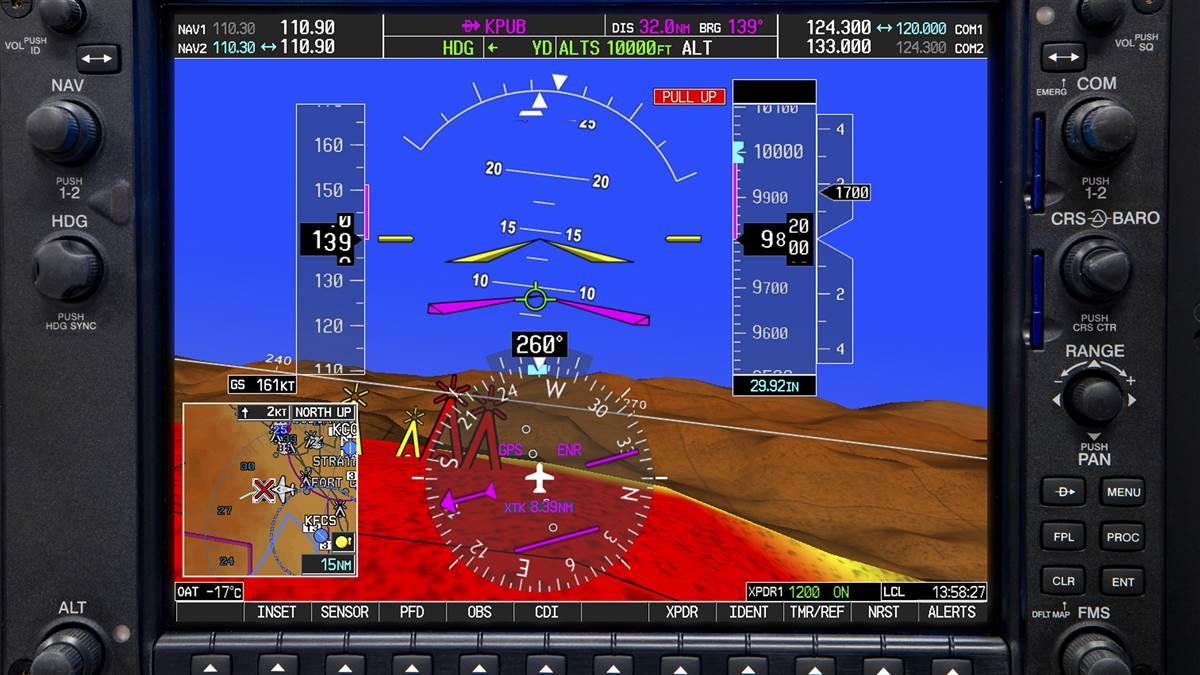
- The Garmin G300 Cockpit: This is the Skycatcher’s party piece. Instead of a wall of analog “steam gauges,” pilots are greeted by two large, bright LCD screens. The Primary Flight Display (PFD) shows attitude, airspeed, altitude, and heading, while the Multi Function Display (MFD) can show engine data, navigation maps, and traffic. This glass cockpit environment is a huge advantage for students who will inevitably transition to more advanced aircraft with similar technology.
- Takeoff and Climb: With a relatively light airframe and 100 horsepower, the 162 leaps off the runway. Acceleration and initial climb rate are sprightly. The controls feel very light and responsive, almost sensitive, compared to a Cessna 152. This teaches smooth, precise control inputs from the first lesson.
- In Flight Handling: The Skycatcher is agile and fun. The alierons are quick, making it easy to roll into and out of turns. It feels less stable than a Cessna 152, meaning it requires more active control to keep it straight and level, which is excellent training for developing good habits. The noise level is moderate, but the panoramic visibility is unparalleled, making traffic spotting and sightseeing a joy.
- Approach and Landing: The large canopy provides an excellent view for landing. The aircraft is light and responsive on final approach. Its slow stall speed allows for remarkably slow and short landings. However, its light weight means it is more susceptible to being bumped around by turbulence on final approach. Pilots must be attentive to proper airspeed control and flare technique, as the aircraft can float significantly in ground effect if brought in too fast.

Owning a Cessna 162
Owning a Skycatcher means buying into a specific, modern niche. It is not the ubiquitous trainer of yesteryear but a technologically advanced and efficient personal aircraft.
Purchase Price:
The Cessna 162 occupies a unique price point. Expect to find them on the market between $70,000 and $110,000. The price is heavily influenced by total time, engine condition, and any upgrades to the avionics suite. Its cost is higher than a well equipped Cessna 152 but often lower than a new LSA from other manufacturers.
Ongoing Operating Costs (Annual Estimate):
- Hangar or Tiedown: $1,200 to $3,600 per year
- Insurance: $1,200 to $2,000 for a Sport Pilot or higher (it is a newer, more valuable asset)
- Annual Condition Inspection: $800 to $1,800 (performed by a Light Sport Repairman or an A&P mechanic)
- Fuel (at 50 hours per year): Approximately $1,500 (assuming 5 GPH and $6/gallon)
- Engine Reserve Fund: $1,000 to $1,500
Total Estimated Annual Fixed Cost: $4,700 to $8,900.
Key Considerations for Buyers:
- Parts and Support: This is the biggest question for potential owners. With only 275 aircraft built, the parts supply chain is not as robust as for the 150/152. However, Cessna (Textron Aviation) still provides support, and a dedicated community of owners often sources parts through third party manufacturers or salvaged aircraft.
- The Garmin G300: This system is generally reliable, but if it fails, the repair cost can be significant compared to a simple analog instrument.
- Airworthiness Directives (ADs): A pre purchase inspection is critical to ensure compliance with all ADs, particularly those related to the wing spar and other airframe components addressed during the production issues.
- Mission: The 162 is perfect for a Sport Pilot or a Private Pilot flying solo or with one passenger on day trips. Its useful load, while good for an LSA, still requires careful planning with two adults and full fuel.
Frequently Asked Questions (FAQs)
Q1: What is the difference between a Cessna 150/152 and a Cessna 162?
A: The differences are profound. The 150/152 are older, all analog, heavier aircraft certified under Part 23. The 162 is a modern Light Sport Aircraft (LSA) with a glass cockpit (Garmin G300), a lighter airframe, a large canopy, and is built to different performance and weight limits.
Q2: What kind of license do I need to fly a Cessna 162?
A: You can fly a Cessna 162 with a Sport Pilot Certificate, a Private Pilot Certificate, or any higher license. It is one of the most popular aircraft for the Sport Pilot path due to its manufacturer reputation and modern features.
Q3: Is the Cessna 162 a good training aircraft?
A: It is an excellent but different kind of trainer. Its glass cockpit prepares students for modern aviation, and its handling teaches precision. However, some instructors feel its light control sensitivity and lower stability require more initial student focus than the more forgiving Cessna 152.
Q4: Why was the Cessna 162 discontinued?
A: Cessna discontinued the Skycatcher primarily for economic reasons. Development costs rose significantly due to required wing spar redesigns after early incidents. The projected market demand for LSAs did not fully materialize, making the program less profitable than anticipated.


Leave a Reply