
What is a Soft Field ?
A soft field could be an area which has a soft surface such as sand or snow, a wet grassy surface or a rough surface.
A soft field may be quite long and with no obstacle-clearance problems in the climb-out or approach path. It may also be short, which means the short-field considerations of obstacle clearance also becomes important.
Soft surfaces create extra frictional drag and stress on the wheels and therefore degrade the acceleration in the take off run.
The wheels may have a dangerous tendency to “dig-in”. Only use a soft field if you are totally satisfied that a safe take-off and/or landing can be made.
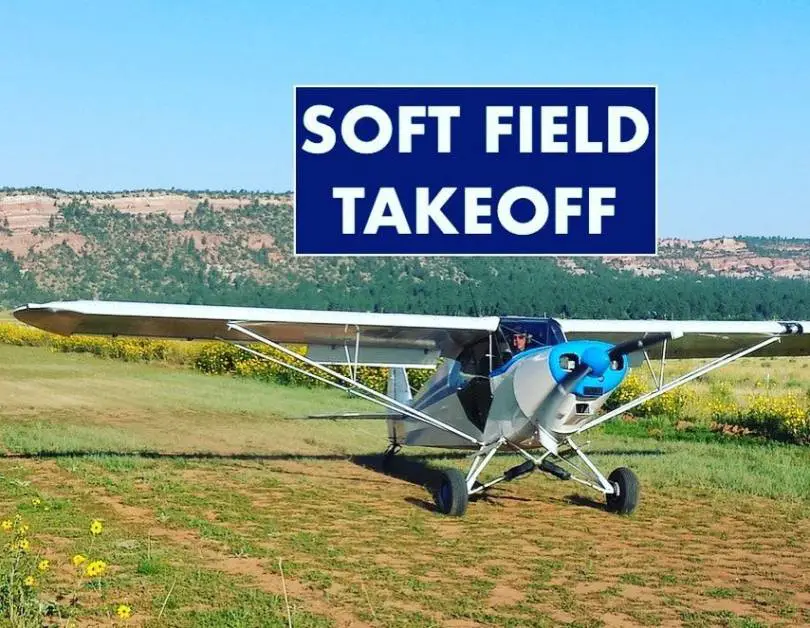
Soft Field Take Off
Key Steps for a Soft Field Takeoff:
- Flaps Setting:
- Apply the recommended takeoff flaps as specified in the aircraft’s manual. This usually involves a partial flaps setting, which helps the aircraft lift off at lower speeds.
- Hold Back Pressure on the Control Yoke/Stick:
- Keep the nose wheel or tail wheel off the ground as much as possible during the takeoff roll. This reduces drag and prevents the wheel from digging into the soft surface.
- Gently pull back on the control yoke or stick to raise the nose as soon as possible, but not so much that the tail or main landing gear drags excessively.
- Smooth Application of Power:
- Apply full throttle smoothly and gradually to avoid excessive torque that could cause the aircraft to yaw or tilt, which could cause stress or instability on the soft surface.
- Keep the Aircraft in Ground Effect:
- As the aircraft lifts off, stay in ground effect (a cushion of lift that forms close to the ground) to build speed before climbing. Ground effect reduces induced drag, allowing the aircraft to accelerate faster.
- Avoid climbing too soon or too steeply as this could cause the aircraft to stall or settle back onto the soft surface.
- Build Airspeed Before Climb:
- Once in ground effect, continue accelerating to the proper climb speed (Vy, or best rate of climb speed) before beginning a full climb-out.
- Only initiate the climb after reaching a safe airspeed to avoid potential stalls.
- Maintain a Shallow Climb Initially:
- Climb out at a shallower angle than usual to ensure the aircraft has sufficient airspeed before transitioning to a normal climb.
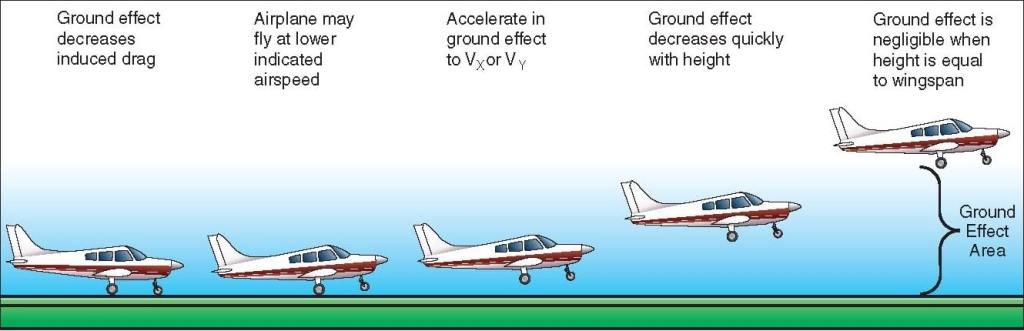
Considerations:
- Preventing Nose Wheel Digging: Keeping the nose wheel light or off the ground reduces the risk of it sinking into soft terrain, which can slow the takeoff roll and even damage the aircraft.
- Surface Conditions: Be mindful of uneven terrain, puddles, or mud, which can significantly affect performance.
- Wind Conditions: Headwinds are beneficial as they reduce the ground speed required for lift-off, shortening the takeoff distance.
If you are interested you should read about the Short Field Take Off and Landing
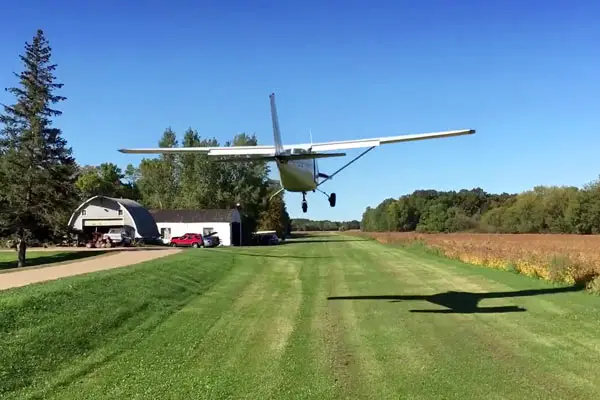
Soft Field Landing
A Soft Field Landing is a technique used when landing on soft, unpaved surfaces such as grass, dirt, sand, or gravel. The objective is to minimize stress on the landing gear and prevent the aircraft from getting stuck or damaging the surface. This landing requires precise control and technique to ensure a smooth touchdown and prevent excessive drag or sinking into the surface.
Key Steps for a Soft Field Landing:
- Approach at a Slightly Higher Airspeed:
- Approach the landing surface at a slightly higher airspeed than for a normal landing, while keeping the aircraft well-configured (usually with partial or full flaps) to maintain good control. This helps prevent sudden deceleration or a hard touchdown.
- Use of Flaps:
- Deploy full flaps to reduce approach speed and allow for a steeper descent, which helps the aircraft touch down at a slower ground speed.
- Maintain Back Pressure on the Yoke:
- As you approach the runway, keep back pressure on the control yoke or stick. This helps keep the nose wheel (or tail wheel for tail-draggers) off the ground for as long as possible, reducing the risk of it digging into the soft surface.
- Smooth, Gentle Touchdown:
- Aim for a smooth touchdown on the main wheels, with the nose wheel off the ground. A soft touchdown reduces the risk of the wheels sinking into the surface.
- Avoid hard braking upon touchdown; instead, let the aircraft decelerate naturally.
- Avoid Braking on the Landing Roll:
- Use minimal or no brakes after touchdown. Braking can cause the aircraft to nose over on a soft surface or result in the wheels digging in, which can lead to loss of control.
- Instead, allow the aircraft to slow down gradually using aerodynamic drag and natural deceleration.
- Keep the Nose Up:
- After landing, continue holding the nose off the ground for as long as possible. As the aircraft slows down, gently lower the nose wheel or tail wheel to the surface.
- Avoid Full Stop on Soft Surface:
- If possible, keep the aircraft moving after touchdown to prevent it from getting stuck in the soft terrain. Once you have slowed to a safe taxi speed, try to maintain enough momentum to taxi off the soft surface.
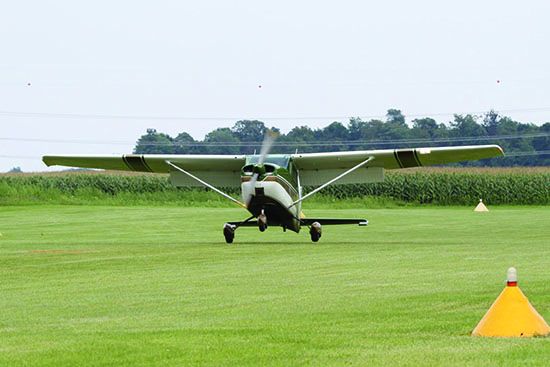
I recommend to read about the Piper PA-34 Seneca
Considerations:
- Surface Condition: Soft fields can vary greatly in texture and moisture, so be mindful of the specific conditions, such as whether the surface is wet, dry, muddy, or uneven.
- Crosswinds: Be cautious when landing on soft fields in crosswind conditions. Crosswind landings require additional skill to maintain control while protecting the landing gear.
- Tire Pressure: In some situations, tire pressure adjustments might be needed for better performance on soft surfaces.
Tips:
- Stay Light on the Controls: Avoid aggressive inputs on the yoke or rudder, especially after touchdown, to maintain smooth, controlled handling.
- Simulate Soft Landings for Practice: Practicing on regular paved runways can help perfect the soft field landing technique by focusing on smooth touchdown and gentle deceleration.
FAQs
1. What are soft field operations?
Soft field operations involve takeoffs and landings on unpaved or less stable surfaces like grass, dirt, gravel, or sand. These conditions require specific techniques to prevent the aircraft from sinking or becoming stuck.
2. Why are soft field takeoff and landing techniques necessary?
Soft fields can cause excessive drag on the aircraft due to the uneven surface. Proper techniques reduce the risk of getting stuck, damaging the landing gear, or losing control during takeoff or landing.
3. What are the key differences between soft field and normal operations?
- Takeoff: Requires keeping the weight off the nose wheel as soon as possible.
- Landing: Focuses on maintaining a soft touchdown and rolling out with minimal braking to prevent bogging down.
4. What are the basic steps for a soft field takeoff?
- Flaps: Set to the manufacturer’s recommended position (typically 10 degrees).
- Yoke Back Pressure: Hold the yoke back to keep the nose wheel off the ground during taxi and initial acceleration.
- Smooth Power Application: Gradually apply full power while avoiding abrupt movements.
- Liftoff: Allow the aircraft to become airborne as soon as possible in ground effect.
- Climb Out: Maintain ground effect until sufficient airspeed is reached, then climb at the best rate (Vy).
5. What are the common mistakes during a soft field takeoff?
- Not Holding Back Pressure: Can result in nose wheel sinking or dragging.
- Premature Rotation: Lifting off before achieving adequate airspeed, risking a stall.
- Skipping Ground Effect: Exiting ground effect too soon can reduce climb performance.
6. What are the basic steps for a soft field landing?
- Approach Speed: Use a slightly slower speed than normal to ensure a gentle touchdown.
- Flaps: Extend as necessary to allow for a steeper, slower approach.
- Touchdown: Land with the main wheels first, holding back pressure to keep the nose wheel off the ground.
- Rollout: Use minimal braking and maintain control as the aircraft slows naturally.
7. What are common mistakes during a soft field landing?
- Hard Touchdown: Failure to keep a gentle flare.
- Excessive Braking: Can lead to loss of control or digging into the soft surface.
- Letting the Nose Drop: Allowing the nose wheel to contact the ground too soon.
8. How does ground effect help in a soft field takeoff?
Ground effect reduces drag when the aircraft is close to the surface, helping it lift off sooner and gain enough speed for a safe climb out.
9. Why is keeping the nose wheel off the ground important?
The nose wheel is more susceptible to damage or sinking on soft surfaces. Keeping it off the ground reduces drag and preserves control during takeoff and landing.
10. How do soft field conditions affect braking?
Soft surfaces provide less friction, so braking is less effective. Excessive braking can cause the wheels to dig into the ground, leading to loss of control.
11. What should pilots do during taxiing on a soft field?
- Use constant back pressure on the yoke to keep the nose wheel light.
- Avoid sharp turns or abrupt stops.
- Maintain a steady, slow pace to prevent sinking.
12. What role do flaps play in soft field operations?
Flaps help reduce takeoff roll distance and landing approach speed, making operations on soft fields safer and more efficient.
13. How does wind affect soft field takeoffs and landings?
- Headwind: Helps reduce takeoff roll and landing distance.
- Crosswind: Requires careful control to avoid drifting or uneven weight distribution on the wheels.
14. Can you perform soft field operations in all aircraft?
Yes, but larger or heavier aircraft may require more preparation and caution due to their weight and lower tolerance for uneven surfaces.
15. How can pilots prepare for soft field operations?
- Practice: Simulate soft field operations on paved runways to develop technique.
- Preflight Inspection: Check landing gear and tire pressure.
- Know the Field: Study the conditions and layout of the soft field beforehand.
16. What safety tips should pilots follow for soft field operations?
- Avoid unnecessary braking.
- Use gentle, deliberate control inputs.
- Maintain situational awareness, especially for uneven or muddy areas.
- Check weather and field conditions before takeoff or landing.
17. Are there specific regulations for soft field operations?
Soft field operations are covered under general flight training and are part of the private pilot checkride in most aviation authorities’ guidelines.
18. How do pilots handle emergencies during soft field operations?
- Engine Failure on Takeoff: Land straight ahead, minimizing control inputs to avoid bogging down.
- Hard Landing: Keep control and use minimal braking to prevent further damage.
19. What are the advantages of mastering soft field operations?
- Expands the range of usable airfields.
- Improves control and confidence on various terrains.
- Enhances safety skills for off-airport or emergency landings.
20. Can you use autopilot during soft field takeoff or landing?
No, autopilot is not used during takeoff or landing on soft fields. These phases require manual control for precise handling.
21. How do you differentiate soft field operations from short field operations?
- Soft Field: Focuses on preventing sinking and managing drag on uneven surfaces.
- Short Field: Emphasizes minimizing runway distance for takeoffs and landings.
22. How do you know if a runway is considered “soft”?
A runway is classified as soft if it has an unpaved surface like grass, dirt, or sand, often with less structural integrity than asphalt or concrete.
23. What is the role of weather in soft field operations?
Wet or muddy conditions can worsen surface drag and make the field more challenging, requiring additional caution.
24. How do pilots check for soft field conditions before landing?
- Use airport NOTAMs for runway conditions.
- Observe the field visually for puddles, uneven areas, or mud.
- Communicate with ground personnel or local pilots.


 Aviator Tells
Leave a comment