
If you have a dream becoming a pilot, this is the easiest way to get behind the yoke and get your license in less than 3 months. And it will cost you somewhere between $10.000 to $20.000 depends on the country of issue.
A person applying for a private pilot certificate in airplanes, helicopters, and gyro-planes must log at least 40 hours of flight time, of which at least 20 hours are flight training from an authorized instructor and 10 hours of solo flight training in the appropriate areas of operation; three hours of cross country; three hours at night, three hours of instrument time; and other requirements specific to the category and class rating sought.
Requirements for a Private Pilot License :
1- Be at least 17 years of age.
2- Be able to read, speak, write, and understand English.
3- Hold at least a current Third Class medical certificate.
4- Receive the required ground and flight training.
5- Meet the applicable aeronautical experience requirements.
6- Passed the required knowledge and practical tests.
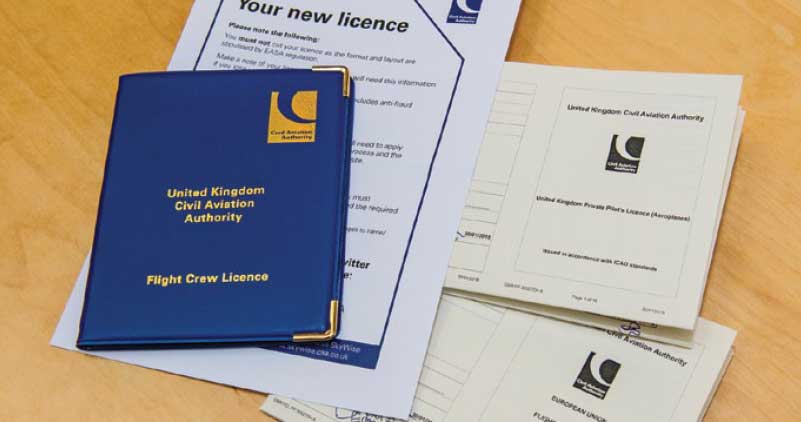
What are limitations apply to a Private Pilot ?
No person who holds a private pilot license may act as a pilot in command of an aircraft that is carrying passengers or property for compensation or hire.
While a PPL grants significant flying privileges, there are some limitations:
- No Commercial Operations: You cannot be paid to fly or use the aircraft for commercial purposes.
- Weather Restrictions: Without an instrument rating, you are limited to flying in visual flight rules (VFR) conditions, which require good weather and visibility.
- Aircraft Type: The PPL typically allows you to fly single-engine, land-based aircraft. Additional endorsements are required for other aircraft types, such as multi-engine, seaplanes, or high-performance aircraft.
Cost of Obtaining a PPL
The cost of obtaining a Private Pilot License can vary widely depending on location, the type of flight school, aircraft rental fees, and the number of flight hours required. On average, the total cost ranges from $10,000 to $20,000 in the United States, including:
- Flight Training: The largest expense, covering aircraft rental and instructor fees.
- Ground School: Fees for classroom or online ground school courses.
- Exam Fees: Costs associated with the written knowledge exam and practical test.
- Medical Certificate: The fee for the required medical examination.
- Miscellaneous: Additional costs such as books, study materials, and pilot supplies.
Duration to Obtain a PPL
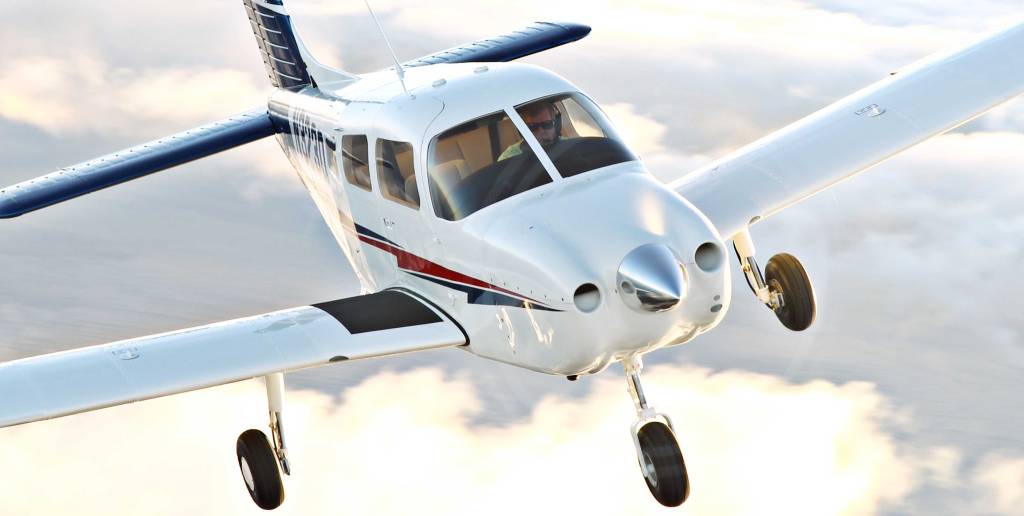
The time required to obtain a Private Pilot License depends on several factors, including your availability, weather conditions, and how quickly you master the necessary skills. On average, it takes 2 to 6 months to complete the training and certification process if you fly regularly.
Continuing Education and Advanced Ratings
After obtaining a PPL, many pilots choose to pursue additional ratings and certifications to expand their flying privileges. Some common next steps include:
- Instrument Rating (IR): Allows you to fly in poor weather conditions and under instrument flight rules (IFR).
- Multi-Engine Rating: Enables you to fly aircraft with more than one engine.
- Commercial Pilot License (CPL): Allows you to be compensated for your flying services, opening up opportunities for a career in aviation.
- Certified Flight Instructor (CFI): Allows you to teach and train new pilots.
FAQs About the Private Pilot License (PPL)
1. What is a Private Pilot License (PPL)?
- A Private Pilot License (PPL) allows you to fly an aircraft for personal and recreational purposes. It is the first major certification in aviation and enables you to act as the pilot in command (PIC) of an aircraft.
2. What are the basic requirements to obtain a PPL?
- To obtain a PPL, you must be at least 17 years old, pass a medical exam, complete a minimum of 40 flight hours (including 20 hours with an instructor and 10 solo hours), complete ground school, and pass both a written knowledge exam and a practical flight test.
3. How long does it take to get a PPL?
- The time required to obtain a PPL varies depending on your schedule and weather conditions, but it typically takes 2 to 6 months if you fly regularly.
4. How much does it cost to get a PPL?
- The cost of obtaining a PPL ranges from $10,000 to $20,000 in the United States, depending on factors such as location, flight school, and the number of flight hours required.
5. Can I fly commercially with a PPL?
- No, a PPL does not allow you to fly for hire or compensation. It is strictly for personal and recreational use. To fly commercially, you would need to obtain a Commercial Pilot License (CPL).
6. What aircraft can I fly with a PPL?
- With a PPL, you can fly single-engine, land-based aircraft. Additional endorsements are required to fly other types of aircraft, such as multi-engine planes, seaplanes, or high-performance aircraft.
7. Do I need to renew my PPL?
- The PPL itself does not expire, but you must maintain a valid medical certificate and meet recency of experience requirements to act as pilot in command. This typically includes a flight review every 24 months.
8. Can I fly at night with a PPL?
- Yes, you can fly at night with a PPL, provided you have completed the necessary night training, which is typically part of the standard PPL curriculum.
9. What is the difference between a PPL and a Sport Pilot License?
- A Sport Pilot License (SPL) allows you to fly light-sport aircraft with fewer training hours required, but with more restrictions, such as no night flying or carrying more than one passenger. A PPL offers more privileges and allows you to fly larger, more powerful aircraft.
10. What’s the next step after getting a PPL?
- After obtaining a PPL, you can pursue additional ratings and certifications, such as an Instrument Rating (IR) for flying in poor weather, a Multi-Engine Rating for flying twin-engine aircraft, or a Commercial Pilot License (CPL) for flying professionally.


 Aviator Tells
Leave a comment