
Piper PA-34 Seneca is a twin-engine light aircraft, widely recognized for its performance, reliability, and versatility. Manufactured by Piper Aircraft, the Seneca has been a popular choice for both private owners and commercial operators, including flight schools, air taxi services, and charter companies.
History and Development
The development of the Piper PA-34 Seneca began in the late 1960s as a twin-engine version of the popular Piper Cherokee Six (PA-32). The goal was to create a more powerful, multi-engine aircraft that could carry more passengers or cargo while offering enhanced safety and performance.
The first Seneca, known as the PA-34-200, was introduced in 1971. Over the years, the Seneca has undergone several upgrades and modifications, leading to improved variants such as the Seneca II, Seneca III, Seneca IV, and the current Seneca V, each offering more power, better performance, and modern avionics.
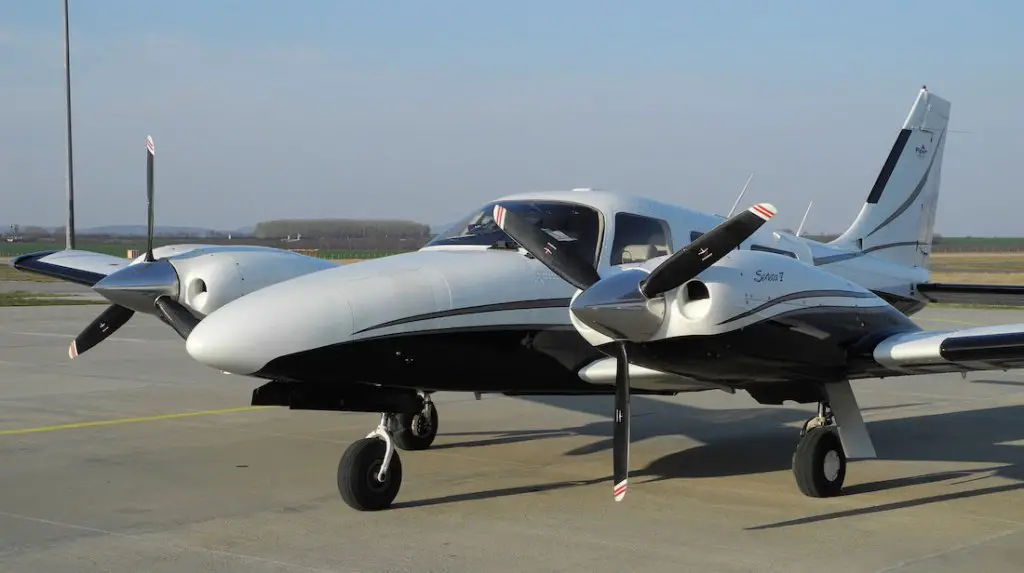
Piper PA-34 Seneca Design and Features
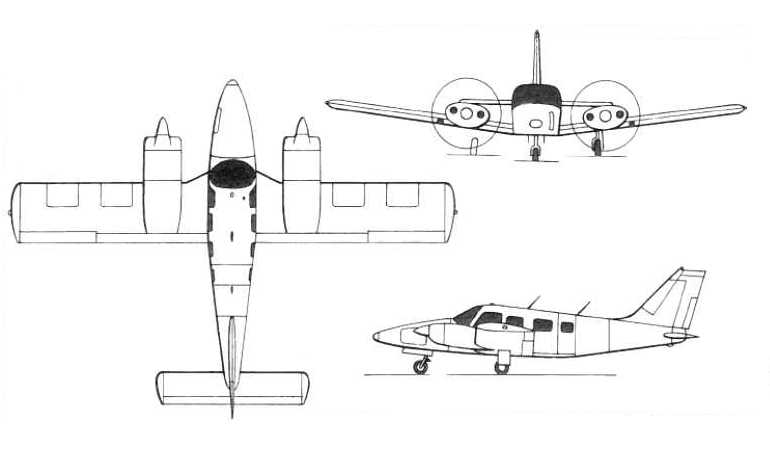
The Piper PA-34 Seneca is a low-wing, twin-engine aircraft with retractable tricycle landing gear. It features a spacious, comfortable cabin with seating for up to six people, including the pilot, making it ideal for both personal and business use.
Key Features Include:
- Engines: The original Seneca was powered by two Lycoming IO-360-C1E6 engines, each producing 200 horsepower. Later models, such as the Seneca V, are powered by more advanced, turbocharged engines like the Continental TSIO-360-RB, offering 220 horsepower each.
- Fuel Capacity: The aircraft typically has a fuel capacity of 123 gallons, which supports its long-range capabilities.
- Cabin: The cabin is well-appointed, offering comfort for both pilots and passengers, with large windows providing excellent visibility.
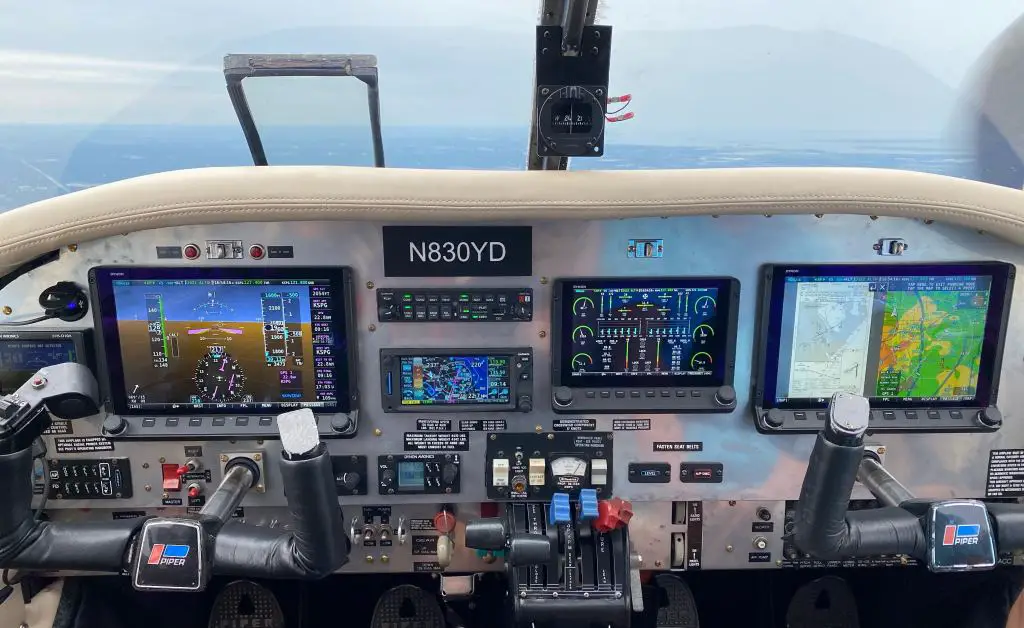
- Avionics: Modern versions of the Seneca, especially the Seneca V, come equipped with advanced avionics suites, including Garmin G1000 NXi, enhancing situational awareness and safety.
Piper PA-34 Seneca Specifications
Below are the specifications for the Piper PA-34 Seneca V:
| Specification | Piper PA-34 Seneca V |
|---|---|
| Manufacturer | Piper Aircraft |
| First Flight | 1971 (original Seneca) |
| Crew | 1 (pilot) |
| Passenger Capacity | Up to 5 passengers |
| Length | 28 ft 7 in (8.71 m) |
| Wingspan | 38 ft 11 in (11.86 m) |
| Height | 9 ft 11 in (3.02 m) |
| Empty Weight | 3,442 lbs (1,562 kg) |
| Gross Weight | 4,750 lbs (2,155 kg) |
| Powerplant | 2 × Continental TSIO-360-RB, 220 hp each |
| Maximum Speed | 204 mph (328 km/h, 177 knots) |
| Cruise Speed | 187 mph (300 km/h, 162 knots) |
| Range | 828 miles (1,333 km) |
| Service Ceiling | 25,000 ft (7,620 m) |
| Rate of Climb | 1,340 ft/min (6.8 m/s) |
If you are interested you should read about the Piper PA-15 Vagabond
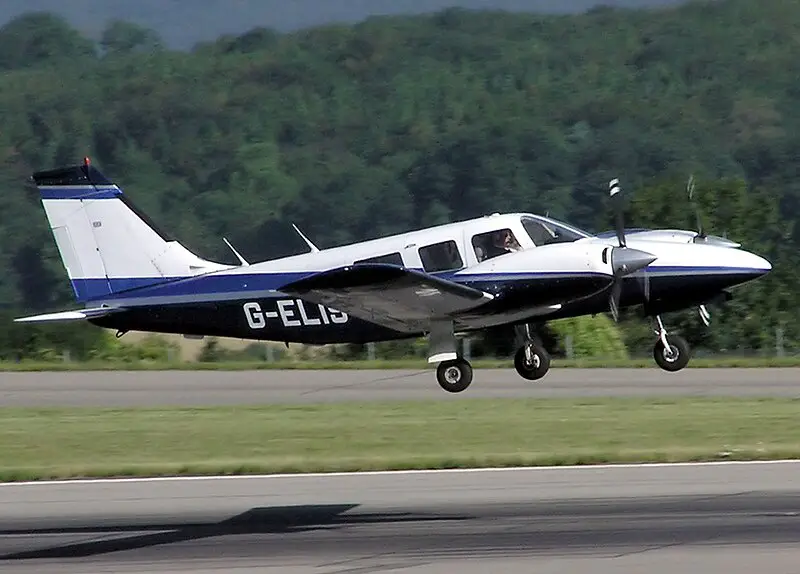
Piper PA-34 Seneca Performance
The Piper PA-34 Seneca is highly regarded for its performance, especially its ability to maintain good speed and range while carrying a full load of passengers or cargo. The twin-engine design provides redundancy, enhancing safety during long flights or in challenging weather conditions.
Performance Highlights:
- Twin-Engine Safety: The Seneca’s twin engines offer improved safety, particularly during engine-out situations, compared to single-engine aircraft.
- Turbocharged Power: In the Seneca V, turbocharged engines allow for better performance at higher altitudes, making it suitable for operations in mountainous regions or longer cross-country flights.
- Versatility: The aircraft is versatile enough for various missions, from personal and business travel to flight training and air taxi services.
Variants
Over the years, the Seneca has seen several iterations, each offering improvements in performance, comfort, and technology:
- PA-34-200 Seneca I: The original model, introduced in 1971, powered by non-turbocharged Lycoming engines.
- PA-34-200T Seneca II: Introduced in 1974, featuring turbocharged engines and improved aerodynamics.
- PA-34-220T Seneca III: Released in 1981, with more powerful engines and enhanced systems.
- PA-34-220T Seneca IV: A refined version of the Seneca III with minor improvements in aerodynamics and interior comfort.
- PA-34-220T Seneca V: The latest version, featuring advanced avionics, improved engines, and better overall performance.
Maintenance and Upkeep
Maintaining a Piper PA-34 Seneca involves regular inspections of the airframe, engines, and avionics systems. Key maintenance aspects include:
- Engine Maintenance: Regular inspections and timely overhauls of the Continental TSIO-360 engines are crucial for reliability and performance.
- Landing Gear: The retractable landing gear requires routine checks to ensure proper operation, especially during extension and retraction cycles.
- Avionics: Modern avionics systems, especially in the Seneca V, require regular updates and checks to ensure optimal functionality.
Piper PA-34 Seneca Price
The price of a Piper PA-34 Seneca varies widely based on the model, age, condition, and avionics upgrades. prices typically range from:
- Used Piper PA-34 Seneca: $150,000 to $700,000
The Seneca remains widely available on the used market, with many aircraft upgraded with modern avionics and interior enhancements, increasing their appeal and value.
FAQs About the Piper PA-34 Seneca
1. What is the Piper PA-34 Seneca?
- The Piper PA-34 Seneca is a twin-engine light aircraft known for its reliability, versatility, and safety. It is commonly used for private travel, flight training, air taxi services, and charter operations.
2. How many passengers can the Piper PA-34 Seneca carry?
- The Seneca can typically carry up to five passengers in addition to the pilot, offering a total seating capacity for six people.
3. What engines power the Piper PA-34 Seneca?
- The latest version, the Seneca V, is powered by two turbocharged Continental TSIO-360-RB engines, each producing 220 horsepower. Earlier models used Lycoming IO-360 engines.
4. What is the maximum speed of the Piper PA-34 Seneca?
- The maximum speed of the Seneca V is approximately 177 knots (204 mph or 328 km/h).
5. What is the range of the Piper PA-34 Seneca?
- The Piper PA-34 Seneca V has a range of around 828 miles (1,333 km), making it suitable for medium-length flights.
6. How much does a Piper PA-34 Seneca cost?
- As of 2024, the price of a used Piper PA-34 Seneca ranges from $150,000 to $700,000, depending on factors such as the model, age, condition, and avionics upgrades.
7. What are the key differences between the Seneca V and earlier models?
- The Seneca V features more powerful turbocharged engines, modern avionics (such as the Garmin G1000 NXi), and improved performance compared to earlier models like the Seneca II and III.
8. Is the Piper PA-34 Seneca a good aircraft for training?
- Yes, the Seneca is widely used in multi-engine flight training due to its forgiving handling characteristics, stable performance, and the added safety of twin engines.
9. What maintenance is required for the Seneca?
- Regular maintenance includes engine inspections, airframe checks, and ensuring the proper operation of the retractable landing gear. The turbocharged engines also require additional attention to maintain performance at high altitudes.
10. What are the common uses of the Piper PA-34 Seneca?
- The Seneca is commonly used for personal and business travel, air taxi services, cargo transport, flight training, and as a charter aircraft due to its versatility and reliability.

 Aviator Tells
Leave a comment