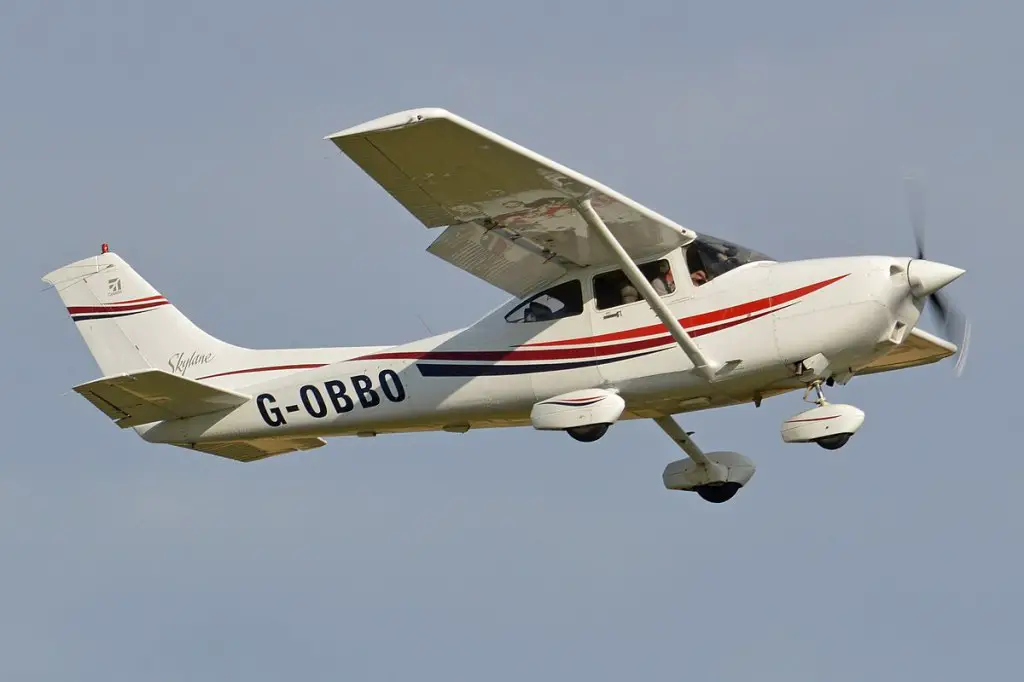
It is the combination of the Main Landing Gear (located under the fuselage), and the Nose Gear (located under the aircraft’s nose)
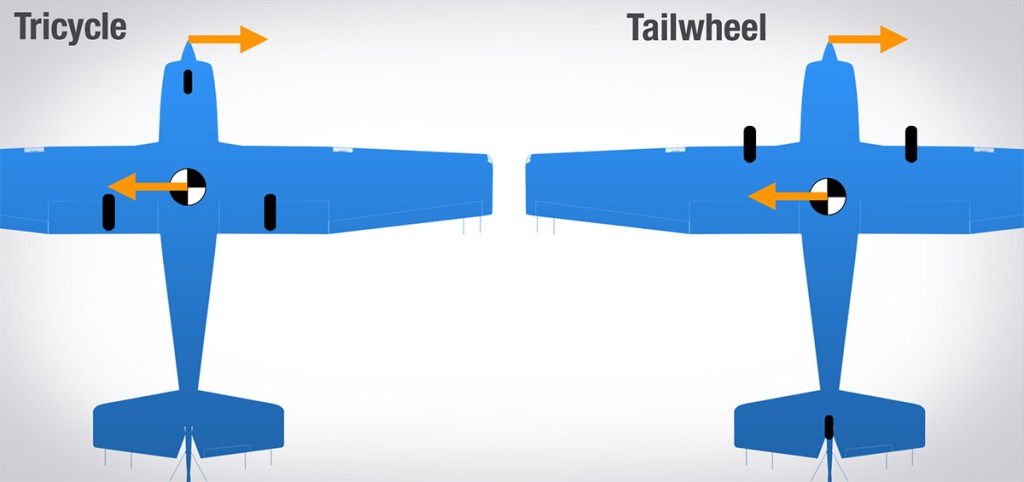
Tricycle landing gear is a configuration of aircraft landing gear where the aircraft has three wheels: two main wheels located near the center of gravity and one nose wheel located forward of the main wheels.
This design contrasts with the traditional tailwheel (or “conventional”) landing gear, where two main wheels are accompanied by a small tail wheel.
History and Development
The tricycle landing gear configuration was developed to address some of the handling challenges associated with tailwheel aircraft, particularly on the ground.
It became popular in the 1940s and 1950s as more aircraft manufacturers adopted the design for its numerous advantages, especially in training and general aviation aircraft.
Tricycle Landing Gear Features
Tricycle landing gear offers several design advantages that make it a preferred choice for many modern aircraft:
- Stability: The nose wheel provides forward support, reducing the tendency for the aircraft to nose over during landing, taxiing, and takeoff.
- Improved Visibility: Pilots have better forward visibility while on the ground, as the aircraft sits more level compared to tailwheel configurations.
- Ease of Handling: Ground handling is simpler and more intuitive, particularly for student pilots, reducing the risk of ground loops.
- Braking: The forward position of the nose wheel allows for more aggressive braking without the risk of the aircraft tipping forward.
Tricycle Landing Gear Advantages
The tricycle landing gear configuration offers several advantages over the conventional tailwheel gear:
- Easier Ground Handling: The configuration is more stable and less prone to ground looping, making it easier for pilots to handle on the ground.
- Better Visibility: The aircraft sits level, allowing pilots to have a clearer view of the runway and taxiway.
- Simplified Takeoff and Landing: The nose wheel helps maintain directional control during takeoff and landing, reducing the risk of accidents.
- Reduced Risk of Nose-Overs: The design minimizes the risk of the aircraft tipping forward, especially during heavy braking or on uneven surfaces.
Tricycle Landing Gear Disadvantages
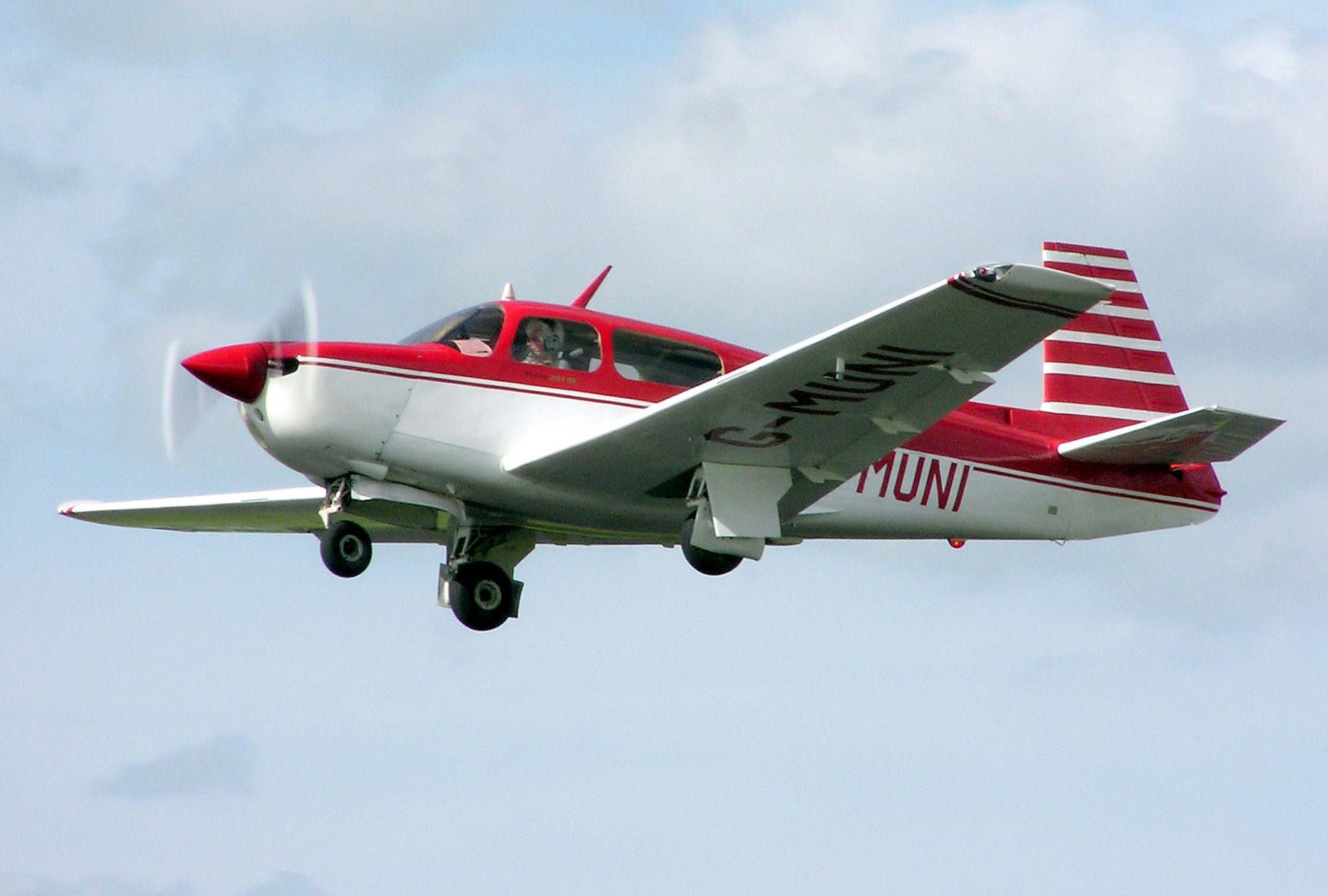
Despite its advantages, tricycle landing gear also has some disadvantages:
- Weight and Complexity: The nose wheel and its associated structure add weight and complexity to the aircraft.
- Nose Wheel Vulnerability: The nose wheel can be more susceptible to damage, especially when operating on rough or unpaved surfaces.
- Potential for Propeller Strike: The lower nose can increase the risk of propeller strikes on uneven terrain.
Applications
Tricycle landing gear is widely used across various types of aircraft, including:
- Training Aircraft: Many flight training aircraft, such as the Cessna 172 and Piper PA-28, use tricycle landing gear for its ease of handling and safety benefits.
- General Aviation Aircraft: Popular general aviation models like the Beechcraft Bonanza and Cirrus SR22 feature tricycle gear.
- Commercial Airliners: Most modern commercial airliners, such as the Boeing 737 and Airbus A320, use tricycle landing gear for stability and ease of ground operations.
- Light Sport Aircraft: Many light sport aircraft are equipped with tricycle landing gear to appeal to recreational pilots and ease of use.
Notable Aircraft with Tricycle Landing Gear
- Cessna 172 Skyhawk: One of the most widely produced and used training and general aviation aircraft in the world.
- Piper PA-28 Cherokee: Another popular training and personal aircraft known for its reliability and ease of use.
- Cirrus SR22: A modern high-performance general aviation aircraft featuring advanced avionics and safety features.
- Boeing 737: A staple in commercial aviation, used by airlines worldwide for short- to medium-haul flights.
- Airbus A320: A popular commercial airliner known for its efficiency and widespread use in global airline fleets.
FAQs
1. What is tricycle landing gear?
Tricycle landing gear is a type of aircraft landing gear configuration that features three wheels: two main wheels located near the aircraft’s center of gravity and a third wheel, known as the nose wheel, located at the front of the aircraft. This setup provides better ground handling, improved visibility during taxiing, and easier landings compared to traditional tailwheel (or “taildragger”) configurations.
2. Why is tricycle landing gear popular?
Tricycle landing gear is widely used because of its many advantages:
- Stability: It prevents the aircraft from tipping backward while on the ground.
- Ease of landing: Pilots find it easier to land because the nose wheel absorbs forward momentum, reducing the risk of ground loops.
- Visibility: Pilots have a clear, forward-facing view during taxiing, takeoff, and landing.
- Training-friendly: It simplifies handling for beginner pilots, making it ideal for training aircraft.
3. What are the components of tricycle landing gear?
The main components include:
- Nose wheel: Located at the front, it provides steering and absorbs loads during landings.
- Main wheels: Positioned near the aircraft’s center of gravity, they bear most of the aircraft’s weight during taxiing, takeoff, and landing.
- Shock absorption system: Includes springs or oleo struts to cushion impacts and reduce stress on the airframe.
- Steering mechanism: Often connected to the rudder pedals for directional control on the ground.
4. How does tricycle landing gear differ from tailwheel landing gear?
- Tricycle Landing Gear: The nose wheel is at the front, providing better ground handling and reducing the risk of tipping backward.
- Tailwheel Landing Gear: The wheel is located at the rear, which can make ground handling more challenging and requires more skill to avoid ground loops.
5. What types of aircraft use tricycle landing gear?
Tricycle landing gear is found on a wide range of aircraft, including:
- Training aircraft: Like the Cessna 172 and Piper Cherokee.
- Commercial airliners: Almost all modern airliners use tricycle landing gear.
- General aviation planes: Such as the Piper PA-22 Tri-Pacer and Beechcraft Bonanza.
- Military aircraft: Many fighter jets and transport planes employ this configuration.
6. What are the advantages of tricycle landing gear?
- Improved safety: Reduced risk of tipping or ground loops.
- Easier taxiing: Better steering control, especially on paved surfaces.
- Smoother landings: Enhanced control during touchdowns, even in crosswinds.
- Beginner-friendly: Lower learning curve for new pilots.
7. Are there any disadvantages to tricycle landing gear?
While tricycle landing gear is generally advantageous, it has some drawbacks:
- Weight: The nose wheel adds extra weight to the aircraft.
- Complexity: More components, such as steering and shock absorption systems, increase maintenance needs.
- Uneven surfaces: It may perform poorly on rough, unpaved runways compared to tailwheel configurations.
8. How does tricycle landing gear affect takeoff and landing?
During takeoff, the nose wheel provides initial steering, and the pilot lifts it off the ground early to reduce drag. During landing, the main wheels touch down first, with the nose wheel coming down gently afterward to prevent stress on the front gear.
9. Who invented tricycle landing gear?
Tricycle landing gear became prominent in the 1930s and 1940s, but its exact origins trace back to various aviation pioneers experimenting with stability improvements. Its widespread adoption came with the rise of modern aircraft like the Douglas DC-3 and Cessna 170.
10. Can a tailwheel aircraft be converted to tricycle landing gear?
Yes, many tailwheel aircraft can be modified to tricycle landing gear with aftermarket kits, though this requires professional engineering and certification. However, such modifications may alter the aircraft’s weight and balance characteristics.
11. Why is tricycle landing gear ideal for training aircraft?
Tricycle landing gear simplifies ground handling, reduces the likelihood of accidents during takeoff and landing, and allows pilots to focus more on other aspects of flight training. Its forgiving design makes it the standard for beginner-friendly planes.
12. What maintenance is required for tricycle landing gear?
Regular maintenance tasks include:
- Checking and replacing worn tires.
- Inspecting oleo struts or springs for leaks or wear.
- Ensuring proper alignment of the nose wheel for smooth taxiing.
- Lubricating steering mechanisms for reliability.
13. Are there alternatives to tricycle and tailwheel landing gear?
Yes, other landing gear configurations include:
- Skid gear: Used on helicopters.
- Retractable gear: Found on faster aircraft to reduce drag.
- Fixed gear: A simpler, lightweight option for small planes.
14. What are some iconic aircraft with tricycle landing gear?
- Cessna 172 Skyhawk (training and general aviation)
- Piper PA-28 Cherokee (training and personal use)
- Boeing 747 (commercial airliner)
- Douglas DC-3 (pioneering commercial transport)
15. Is tricycle landing gear better than tailwheel for all applications?
Not necessarily. While tricycle landing gear is ideal for paved runways and training, tailwheel landing gear is better suited for rugged terrain and off-airport operations. The choice depends on the aircraft’s intended use.


 Aviator Tells
Leave a comment