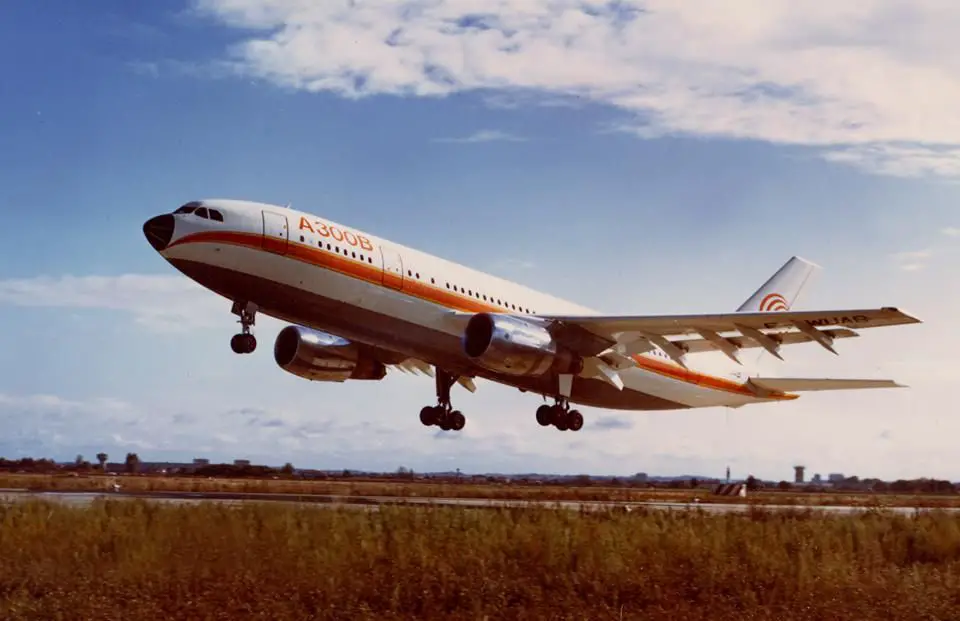
In 1972, Airbus took its first significant step into the aviation industry with the introduction of the Airbus A300. This groundbreaking aircraft marked a new era in air travel, setting the stage for future developments and propelling Airbus to become one of the leading companies in the industry.
With its innovative design and advanced technology, the Airbus A300 transformed long-haul flights, improving passenger comfort and increasing fuel efficiency. This pioneering aircraft set new industry standards and paved the way for the success of Airbus in the years to come.
The Birth of Airbus
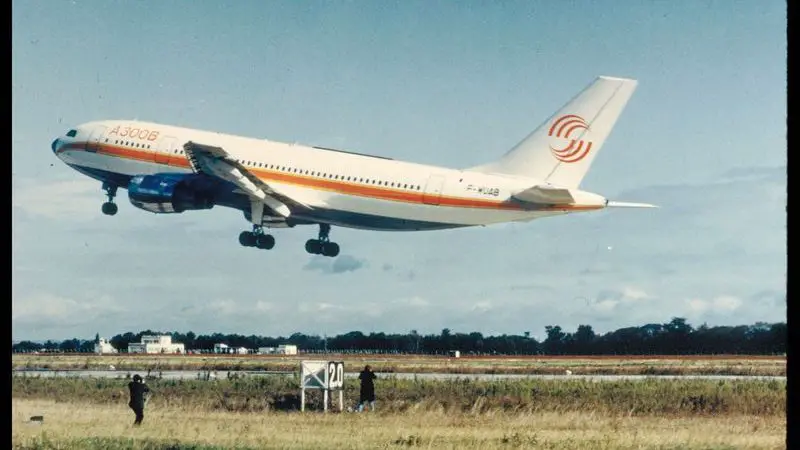
In the 1960s, Europe’s aviation industry was dominated by American manufacturers, leaving European countries longing for their own competitive aircraft. In response to this, leading European aerospace companies came together to establish Airbus, a consortium that aimed to challenge the American monopoly in the industry.
The vision behind Airbus was to create a European aircraft manufacturing company that would foster collaboration among nations and promote technological advancements. This collective effort ensured that each participating country played a crucial role in the development and production of Airbus aircraft, making it a truly pan-European venture.
The birth of Airbus marked a watershed moment in aviation, as it represented the first step towards creating a formidable contender in the commercial aircraft market. The challenges faced by the industry at the time, such as rising fuel prices, regulatory barriers, and intense competition, necessitated a collaborative approach.
“We believed that by combining our resources and expertise, we could build a European aircraft that would rival the best in the world,” said Roger Béteille, one of the key architects of Airbus. “Our goal was not just to manufacture planes but to revolutionize air travel.”
This revolutionary approach to aircraft manufacturing allowed Airbus to leverage the strengths of each participating country, including France, Germany, the United Kingdom, and Spain, to develop innovative and competitive aircraft.
The Airbus consortium’s commitment to collaboration and technological innovation laid the foundation for the future success of the company. It set a precedent for other European countries to join the consortium and solidified Airbus’s position as a key player in the global aviation industry.
Design and Development of the Airbus A300
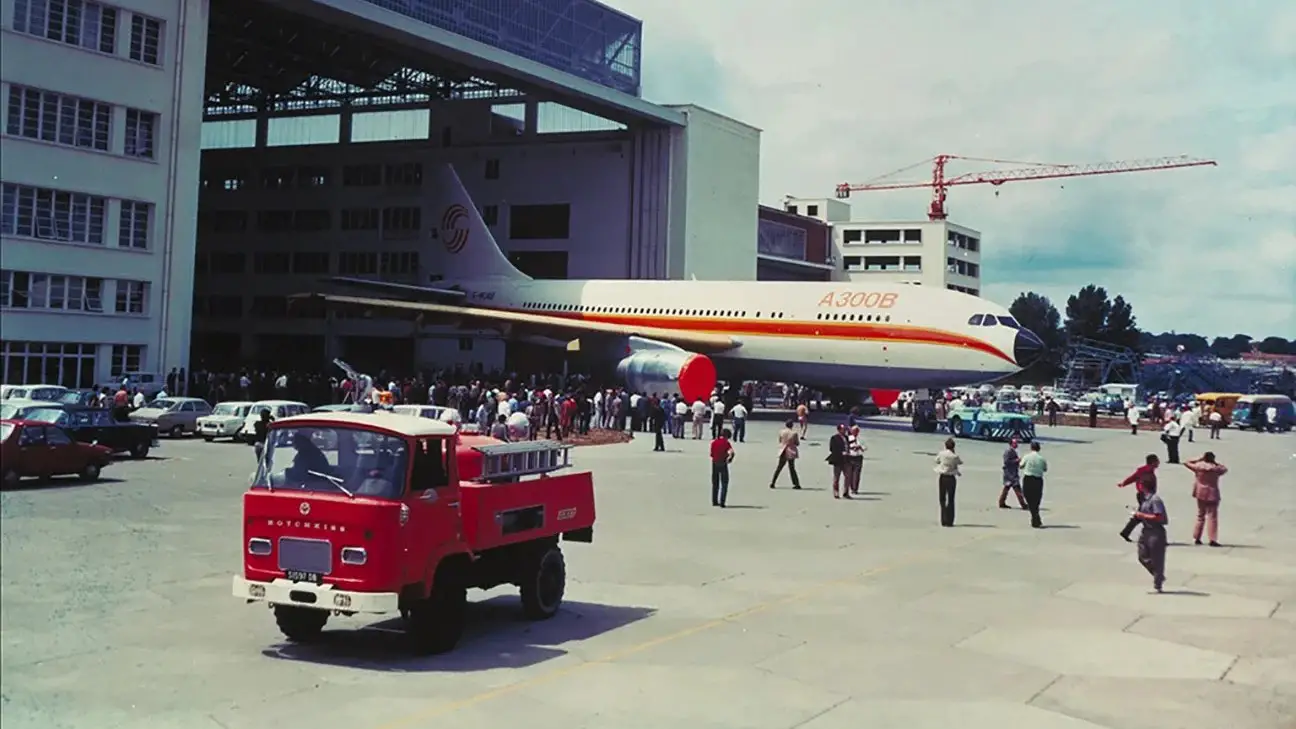
In this section, we will explore the design and development process of the Airbus A300, a groundbreaking aircraft that marked a significant milestone in the aviation industry.
The Airbus A300 was conceived with a clear vision of revolutionizing air travel. It was the result of meticulous planning and innovative engineering, incorporating key features and technological advancements that set it apart from its competitors.
“The Airbus A300 was a game-changer in terms of technological innovations. It introduced fly-by-wire control systems, which relied on electronic signals rather than traditional mechanical linkages. This breakthrough technology paved the way for enhanced flight control and stability, setting a new standard in aircraft design.”
Aside from fly-by-wire, the A300 incorporated other notable technological advancements, including advanced aerodynamics, making it more fuel-efficient and environmentally friendly.
Design and Development Process
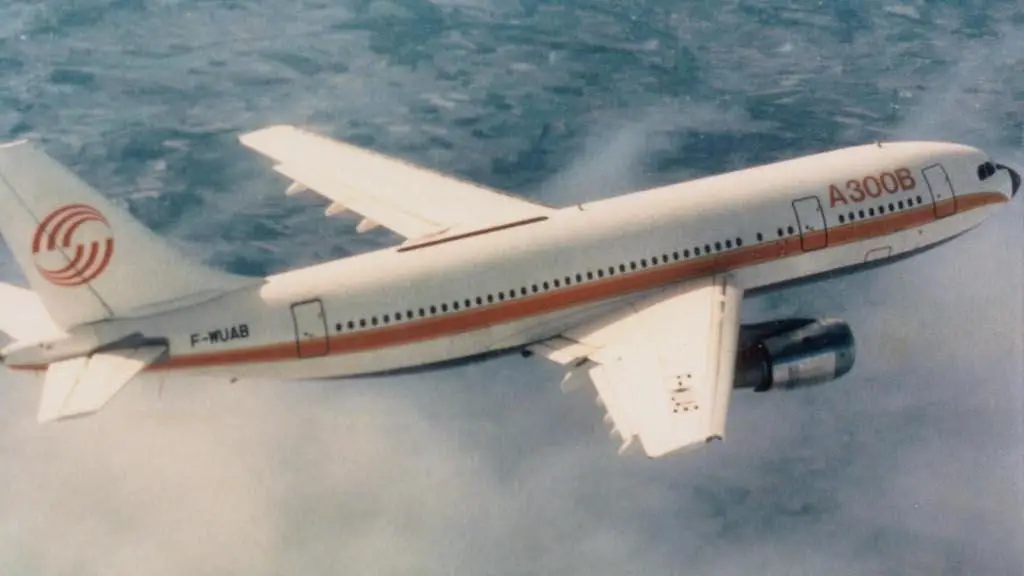
The design and development of the Airbus A300 involved a collaborative effort among European aerospace companies. The process encompassed extensive research, testing, and refinement to ensure the aircraft’s performance, safety, and reliability.
The engineers faced numerous challenges during the aircraft’s development, including the integration of various components, optimization of aerodynamics, and meeting stringent regulatory standards. However, their expertise and dedication ultimately resulted in the successful realization of the A300.
Let’s take a closer look at a table summarizing the key specifications of the Airbus A300:
| Parameter | Value |
|---|---|
| First Flight | October 28, 1972 |
| Length | 54.08 m (177 ft 5 in) |
| Wingspan | 44.84 m (147 ft 1 in) |
| Height | 16.53 m (54 ft 3 in) |
| Maximum Takeoff Weight | 165,000 kg (363,762 lb) |
| Range | 4,070 km (2,200 nmi) |
| Passenger Capacity | Up to 345 |
The design and development of the Airbus A300 showcases the innovative spirit and commitment to excellence that defined Airbus from its inception. The aircraft’s success paved the way for future advancements in aviation and firmly established Airbus as a global leader.

Maiden Flight and Inaugural Delivery
Once the Airbus A300 was completed, the highly anticipated moment arrived for its maiden flight. On October 28, 1972, the A300 took to the skies, marking a monumental milestone in aviation history. The flight was a resounding success, showcasing the capabilities and potential of this revolutionary aircraft.
Following the successful maiden flight, it was time for the inaugural delivery of the Airbus A300. On May 23, 1974, the A300 was officially handed over to its launch customer, Air France. This momentous occasion was met with great excitement and anticipation, signifying the beginning of a new era in aviation.
The delivery of the Airbus A300 to Air France marked not only the start of a fruitful partnership between Airbus and the airline but also a significant milestone for the aviation industry as a whole. The A300 showcased groundbreaking advancements in aircraft design, fuel efficiency, and passenger comfort.
The maiden flight and inaugural delivery of the Airbus A300 were both pivotal moments in aviation history. It paved the way for a new era of air travel, setting the stage for the remarkable achievements and contributions that Airbus would make in the years to come.
This momentous event had a profound impact on the aviation industry, capturing the attention of airlines and passengers worldwide. The Airbus A300’s successful maiden flight and subsequent delivery heralded a new standard of excellence in commercial aviation. It showcased Airbus’s commitment to innovation, efficiency, and passenger experience.
The incredible success of the A300 opened doors for Airbus to further expand its product lineup and solidify its position as a leading aircraft manufacturer in the global market. The aircraft’s impressive capabilities and pioneering design laid the foundation for future breakthroughs and advancements in aviation technology.
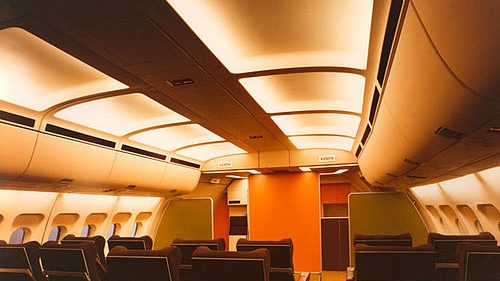
Expansion and Variants
In this section, we will delve into the expansion of the Airbus A300 family and explore the introduction of various variants. These advancements played a pivotal role in solidifying Airbus’s presence in the aviation market and cementing the A300’s reputation as a groundbreaking aircraft.
Introduction of the A300-600
One notable variant of the Airbus A300 is the A300-600, which was introduced in 1983. This improved version featured enhanced fuel efficiency and increased passenger capacity, making it a popular choice for airlines seeking to maximize their operations.
| Key Features of the A300-600 | Benefits |
|---|---|
| Increased passenger capacity | Allows airlines to accommodate more passengers and increase revenue. |
| Improved fuel efficiency | Reduces operating costs and environmental impact. |
| Advanced avionics systems | Enhances flight safety and navigation capabilities. |
These features and benefits made the A300-600 a highly successful variant, ensuring its continued presence in the global aviation industry for many years.
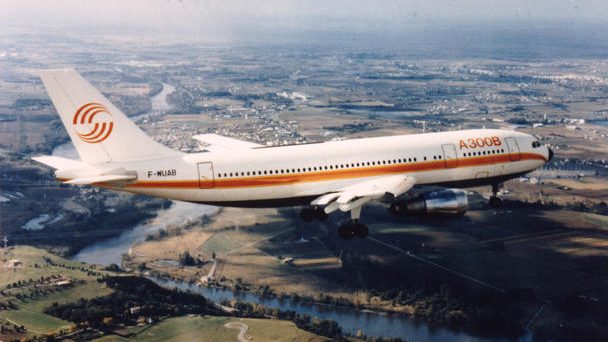
Expansion with the A300B4
Another significant variant of the Airbus A300 is the A300B4, which entered service in 1975. This variant featured extended range capabilities and improved performance, making it suitable for long-haul flights and challenging operating conditions.
The A300B4’s extended range and performance capabilities made it a reliable choice for airlines operating transcontinental and intercontinental routes.
Furthermore, the A300B4’s versatility allowed for the development of specialized versions for cargo transport, demonstrating Airbus’s commitment to meeting diverse customer needs. One notable cargo variant was the A300B4F, a freighter version that served as a vital link in global logistics networks.
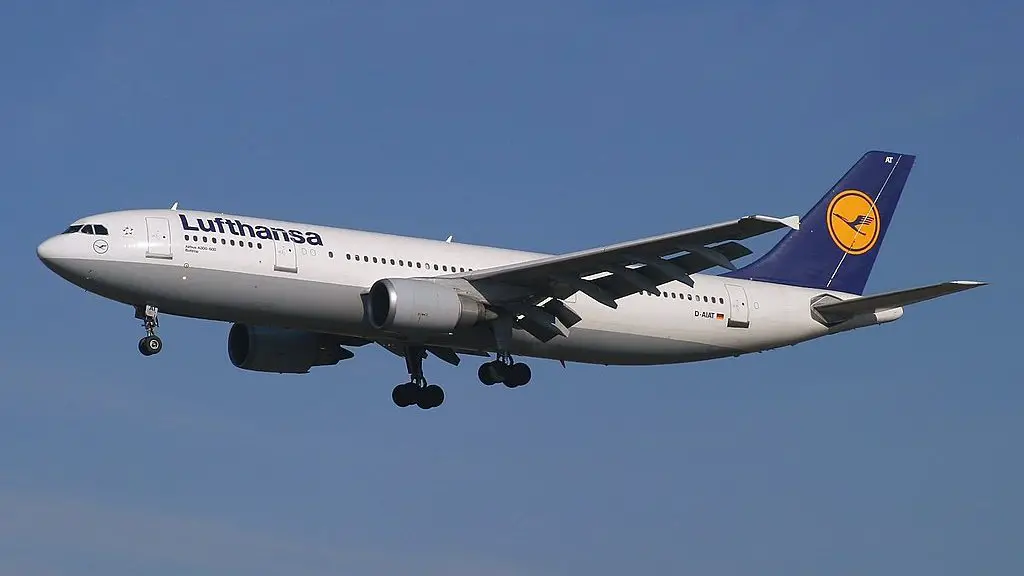
Continued Innovations
As the Airbus A300 family expanded, subsequent variants introduced further innovations and improvements. These advancements included upgraded avionics systems, advanced wing designs, and increased range capabilities, among others. Each new variant contributed to the evolution of the A300 family, solidifying Airbus’s reputation as an industry leader in aviation technology.
Let us now take a closer look at the legacy of the Airbus A300 and its influence on subsequent Airbus aircraft in the next section.
Airbus A300 Legacy and Successors
In this section, we will delve into the lasting legacy of the Airbus A300 and its influence on subsequent Airbus aircraft. The Airbus A300, introduced in 1972 as Airbus’s first plane, played a pivotal role in shaping the future of aviation. Its groundbreaking design and advanced features set a new standard for commercial aircraft, and its success paved the way for further innovations in the industry.
Continued Success in the Aviation Industry
Following the success of the Airbus A300, Airbus continued to build upon its achievements and expand its presence in the aviation market. The company’s commitment to innovation and passenger comfort propelled it to new heights. It led to the development of a diverse range of aircraft that catered to the evolving needs of airlines and passengers worldwide.
Influence on Subsequent Airbus Aircraft
The Airbus A300 served as a blueprint for future Airbus aircraft, influencing their design, performance, and efficiency. One notable example is the Airbus A320, which inherited many of the A300’s technological advancements and introduced further innovations of its own.
“The Airbus A300 laid the foundation for our success in the aviation industry. It showcased our capabilities and paved the way for the development of advanced and efficient aircraft. The A300’s legacy can be seen in all our subsequent aircraft, as we continue to push boundaries and shape the future of aviation.”- Thomas Enders, former CEO of Airbus
Airbus A300 Legacy and Successors
| Aircraft | Introduction Year | Key Features |
|---|---|---|
| Airbus A300 | 1972 | Innovative twin-aisle design, wide-body configuration, increased passenger capacity |
| Airbus A310 | 1982 | Extended range capabilities, improved fuel efficiency, advanced avionics |
| Airbus A320 | 1988 | Introduction of fly-by-wire technology, increased fuel efficiency, improved passenger comfort |
| Airbus A330 | 1994 | Enhanced range and payload capacity, improved aerodynamics, advanced cockpit technology |
| Airbus A340 | 1993 | Extended range, four-engine design, superior fuel efficiency |
This table highlights the key aircraft that followed the Airbus A300, showcasing their introduction years and key features. Each aircraft delivered improvements in performance, passenger experience, and environmental impact, building upon the A300’s legacy.
As we explore the legacy of the Airbus A300 and its influence on subsequent aircraft, it becomes clear that this pioneering aircraft played a significant role in shaping the modern aviation landscape. Its success not only set the stage for Airbus to become a dominant force in the industry but also sparked a wave of innovative developments that continue to drive progress in aviation today.
Technological Innovations in the Airbus A300
The Airbus A300, as the first commercial aircraft produced by Airbus, introduced several groundbreaking technological innovations that revolutionized the aviation industry. These advancements paved the way for future aircraft developments and laid the foundation for the success of Airbus.
If you are interested you should read about the First Aircraft Boeing Built
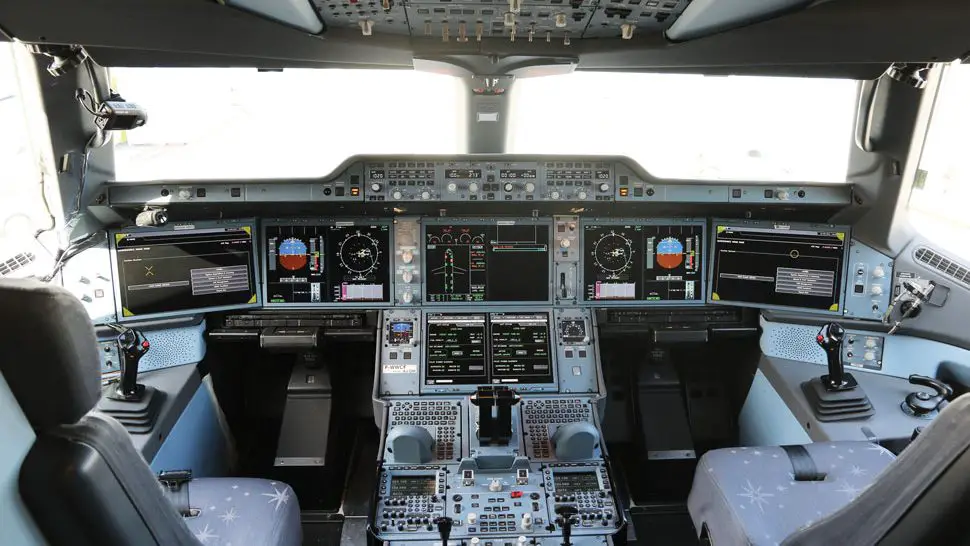
Fly-by-Wire Control Systems
One of the key technological innovations in the Airbus A300 was the implementation of fly-by-wire control systems. This cutting-edge technology replaced traditional mechanical controls with electronic signals, allowing for smoother and more precise aircraft control. The fly-by-wire system enhanced the overall safety and efficiency of the Airbus A300, setting a new standard for commercial aviation.
Advanced Aerodynamics
The Airbus A300 also introduced advanced aerodynamic features that improved the aircraft’s performance and fuel efficiency. These innovations included the implementation of swept wings and winglets, which minimized drag and increased lift. The sleek design of the Airbus A300 not only reduced fuel consumption but also enhanced the overall stability and maneuverability of the aircraft.
“The technological innovations in the Airbus A300 paved the way for future aircraft advancements, shaping the course of the aviation industry.”
These technological innovations not only enhanced the performance and safety of the Airbus A300 but also set a new benchmark for the aviation industry. The success of these innovations in the Airbus A300 laid the foundation for subsequent Airbus aircraft, solidifying Airbus’s position as a leader in technological advancements in aviation.

FAQ
What is the significance of the Airbus A300?
The Airbus A300 marked the beginning of Airbus’s journey in the aviation industry in 1972. It was the company’s first plane and played a pivotal role in transforming air travel.
How did the establishment of Airbus contribute to the aviation industry?
The establishment of Airbus represented a collaborative approach to aircraft manufacturing in Europe. It aimed to compete globally and overcome the challenges faced by the industry at the time.
What were the key features and innovations in the design and development of the Airbus A300?
The Airbus A300 introduced several key features and technological innovations, including advanced aerodynamics, fly-by-wire control systems, and a wide-body design that improved passenger comfort and fuel efficiency.
Can you tell me about the maiden flight and inaugural delivery of the Airbus A300?
The maiden flight of the Airbus A300 took place in 1972 and marked a significant milestone in the aviation industry. The aircraft was later delivered to its launch customer, showcasing the company’s success in bringing this revolutionary plane to market.
How did the Airbus A300 impact air travel?
The Airbus A300 revolutionized long-haul flights by setting new standards for performance, passenger comfort, and fuel efficiency. Its introduction transformed the aviation industry and paved the way for future advancements.
Were there any expansions and variants of the Airbus A300?
Yes, the Airbus A300 family expanded with the introduction of various variants. These developments further solidified Airbus’s presence in the aviation market and catered to specific customer needs.
What is the lasting legacy of the Airbus A300?
The Airbus A300 left a lasting legacy in the aviation industry. Its influence can be seen in subsequent Airbus aircraft, which continue to uphold the company’s commitment to innovation, performance, and passenger comfort.
Can you tell me about the technological innovations introduced in the Airbus A300?
The Airbus A300 introduced groundbreaking technological innovations such as fly-by-wire control systems and advanced aerodynamics. These innovations set new standards for aircraft performance, safety, and efficiency.
How has the Airbus A300 been represented in popular culture?
The Airbus A300 has made appearances in movies, TV shows, and documentaries, capturing the imagination of aviation enthusiasts worldwide. Its iconic design and contribution to the aviation industry have made it a popular subject in popular culture.
What is the current standing of Airbus in the aviation industry?
Airbus continues to be a leading player in the aviation industry, known for its commitment to innovation, quality, and customer satisfaction. The company remains focused on developing future advancements and driving the industry forward.
What are the key takeaways from the significance of the Airbus A300 as Airbus’s first plane?
The Airbus A300’s status as the company’s first plane holds great historical significance. It marked the beginning of Airbus’s journey in the aviation industry and set the stage for future innovations and advancements. The Airbus A300’s impact on air travel, technological innovations, and lasting legacy make it a pivotal milestone in the history of aviation.


 Aviator Tells
Leave a comment