
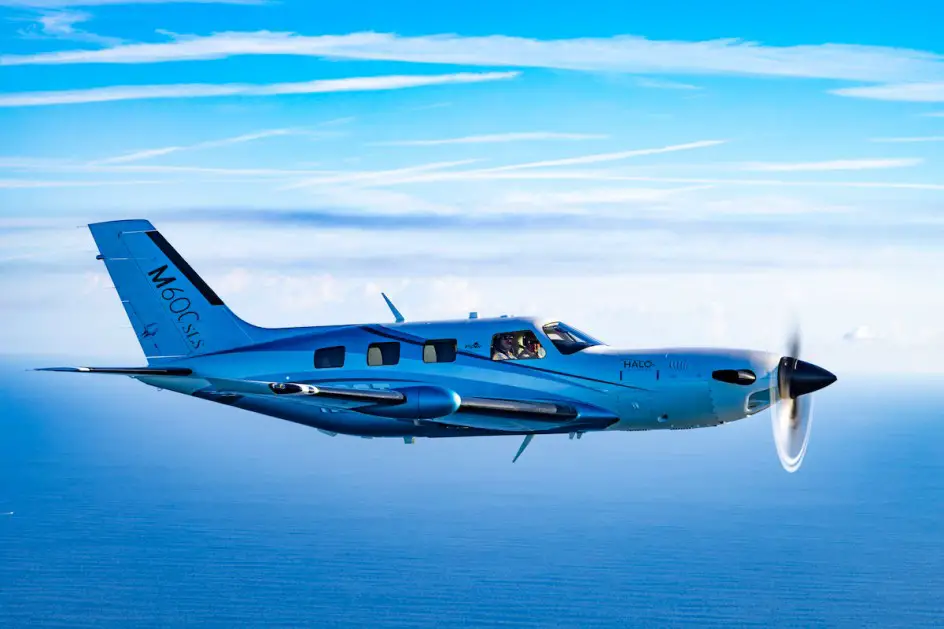
Piper M600 is a single-engine, pressurized turboprop aircraft that sits at the absolute pinnacle of Piper’s product line. It is the direct and heavily evolved descendant of the Piper M500 and the original Malibu Meridian, distinguished by its more powerful 600 shaft horsepower Pratt & Whitney PT6A engine, a strengthened airframe, and a state-of-the-art Garmin G3000 avionics suite with optional safety-enhancing features like the HALO safety system.
The M600 is not merely an iteration; it is a significant leap forward, designed to deliver the highest cruise speed, the fastest climb, and the most advanced safety technology available in a single-engine turboprop, solidifying its position as the flagship of the Piper fleet.
Piper M600 Specifications
The M600’s performance profile is a direct result of its powerful engine and refined aerodynamics.
- Airframe: A strengthened all-metal, low-wing design, based on the robust PA-46 platform but engineered for higher gross weights and greater stresses.
- Engine: Pratt & Whitney Canada PT6A-42A turboprop, flat-rated to 600 shp for exceptional performance, particularly in hot and high conditions.
- Propeller: A four-bladed, Hartzell constant-speed, reversible propeller for excellent ground handling and short landing performance.
- Pressurization System: A highly efficient system that maintains a comfortable 6,600-foot cabin altitude while flying at its maximum altitude of 31,000 feet.
Performance Figures:
- Max Cruise Speed: 274 knots (315 mph) at 30,000 feet – the fastest in its class.
- Stall Speed: 70 knots (81 mph).
- Rate of Climb: A staggering 1,843 feet per minute, allowing it to quickly reach efficient cruise altitudes.
- Service Ceiling: 31,000 feet, enabling it to fly above most weather and commercial traffic.
- Maximum Range: Approximately 1,500 nautical miles (with reserves), enabling non-stop trips like Chicago to Miami or New York to Denver with ease.
- Useful Load: Over 1,800 lbs, providing exceptional flexibility for full fuel, six occupants, and their baggage.
These numbers tell a clear story: the M600 is about dominant performance. It climbs faster, flies higher, and cruises quicker than any of its direct competitors, turning long trips into short work.
Piper M600 Avionics
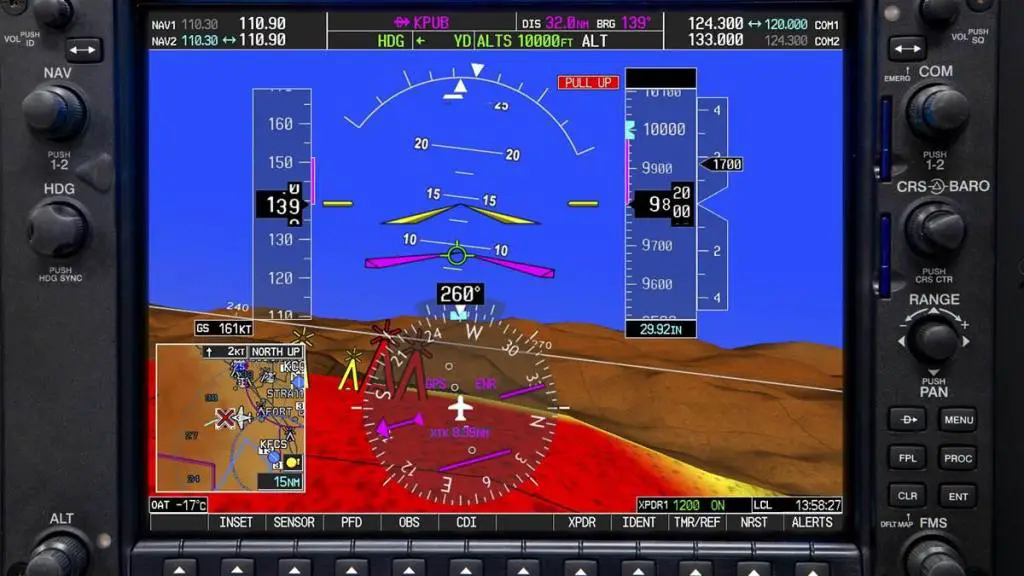
The M600’s cockpit is a world-class command center centered on the Garmin G3000 integrated flight deck. This system provides unparalleled situational awareness and control through large, high-resolution touchscreen displays, advanced flight management, and seamless integration of weather, traffic, and terrain data.
However, the M600’s true technological differentiator is the optional HALO Safety System. This is not just an avionics package; it is an integrated safety suite that provides active protection. HALO includes:
- SafeReturn: An emergency autoland system that, with a single button press, can automatically fly the aircraft to the nearest suitable airport, configure it, and land it, a revolutionary feature for single-pilot operations in case of pilot incapacitation.
- Automatic Emergency Descent: If the cabin loses pressurization, the system automatically initiates an emergency descent to a safe altitude.
- Stability and Protection: Envelopes that prevent the pilot from overstressing the aircraft or entering dangerous flight attitudes.
This level of integrated, automated safety was previously unheard of in this class of aircraft, positioning the M600 as a leader not just in performance, but in risk mitigation.
Piper M600 Price
Owning and operating the pinnacle of single-engine turboprop performance is a significant undertaking.
- Acquisition Cost: As Piper’s flagship, the M600 commands a premium price, with a new aircraft costing several million dollars. Its position is justified by its class-leading performance and technology.
- Operating Costs: Fuel burn is commensurate with its power, typically in the range of 45-50 gallons per hour of Jet-A fuel. Maintenance, while structured and predictable for the PT6 engine, is a major budget item. Proactive management and a healthy reserve fund are essential.
- Pilot Profile: The M600 is designed for the highly proficient, instrument-rated pilot. Transition training is intensive, focusing on high-altitude aerodynamics, turbine engine management, and mastering the advanced G3000 and HALO systems. It is a serious aircraft for serious aviators.
The Competitive Arena: M600 vs. The World
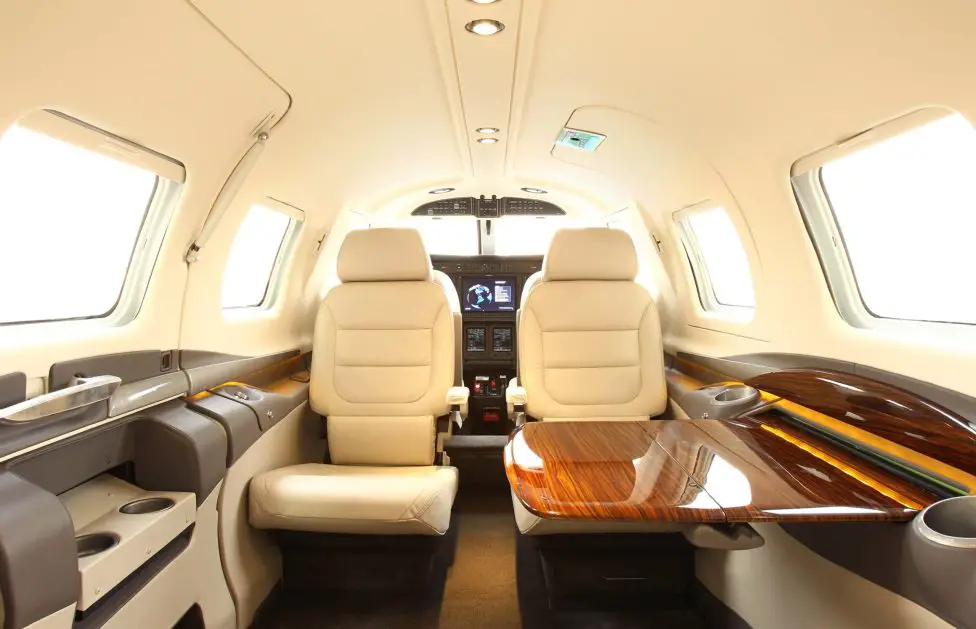
- Vs. Daher TBM 960: The TBM is the M600’s primary rival. The TBM is slightly faster in cruise but the M600 often boasts a superior useful load and a more spacious, comfortable cabin interior. The optional HALO system also gives the M600 a unique safety advantage.
- Vs. Pilatus PC-12 NGX: The PC-12 is in a different category, offering a massive, utility-focused cabin and a large cargo door. The M600 competes by being significantly faster and having a higher cruise altitude, appealing to those for whom speed is the primary driver.
- Vs. Piper M500: The M600’s stablemate offers outstanding value, but the M600’s additional power translates directly into faster climb, higher cruise speeds, and a greater useful load, justifying its higher price for operators who need maximum performance.
Piper M600 FAQs
1. What truly sets the M600 apart from other single-engine turboprops?
It is the combination of three factors: its class-leading 600 shp engine, its spacious and comfortable pressurized cabin, and the availability of the groundbreaking HALO safety system. No other aircraft in its category offers this specific blend of top-tier performance, comfort, and proactive safety technology.
2. Is the HALO Safety System a substitute for pilot proficiency?
Absolutely not. HALO is designed as a last-line-of-defense safety net for situations that are already emergencies, such as pilot incapacitation. It is an enhancement to, not a replacement for, skilled and proficient piloting.
3. How practical is the M600 for business travel?
It is exceptionally practical. Its speed and range make it ideal for trips between 200 and 1,000 nautical miles, often making it faster than airline travel door-to-door when considering airport security and hub connections. Its ability to use smaller airports gets travelers closer to their final destination.
4. What is the biggest challenge of flying the M600?
Managing the energy state. The M600 is a very powerful aircraft that flies at high speeds and high altitudes. Pilots must be adept at energy management during descent and approach, planning well ahead to get the aircraft down, configured, and slowed down for landing.
5. Can the M600 really be flown by a single pilot?
Yes, that is its core design premise. The advanced automation of the G3000 suite, including the autopilot and flight management system, is specifically designed to make single-pilot operation safe and manageable, even in high-workload IMC conditions.
6. What kind of maintenance network supports the M600?
The M600 is supported by Piper’s global network of authorized service centers and the immense, worldwide support infrastructure for the Pratt & Whitney PT6 engine. This global support is a key factor in its dispatch reliability for international operations.
7. Is the investment in an M600 worth it over an M500?
For an operator who will regularly utilize the extra speed, climb performance, and payload, the answer is yes. The M600 provides a tangible performance benefit that translates into saved time and greater mission flexibility. For those whose missions are comfortably met by the M500, it represents an outstanding value, but the M600 is for those who demand the absolute maximum capability.
 Aviator Tells
Leave a comment