
Flying has always been one of humanity’s greatest achievements, and modern aviation continues to push the boundaries of technology. One of the most fascinating advancements in aviation is the autopilot system. For many, the term “autopilot” conjures images of a plane flying itself while pilots sit back and relax.
But how does autopilot actually work? Is it as autonomous as it sounds? In this article, we’ll dive deep into the mechanics and functionality of airplane autopilot systems, breaking down the complexities into an easy-to-understand guide.
What Is an Autopilot System?
An autopilot system is a collection of technologies designed to assist pilots in controlling an aircraft. Contrary to popular belief, autopilot doesn’t replace human pilots but rather supports them by automating repetitive tasks, reducing workload, and enhancing precision. This allows pilots to focus on higher-level decision-making, navigation, and safety.
Autopilot systems are used in almost all modern aircraft, from small private planes to large commercial jets. They are especially crucial during long-haul flights, where maintaining manual control for extended periods would be exhausting for pilots.

How Does Autopilot Work?
Autopilot systems rely on a combination of sensors, computers, and actuators to control an aircraft. Here’s a step-by-step breakdown of how they function:
1. Sensors: The Eyes and Ears of Autopilot
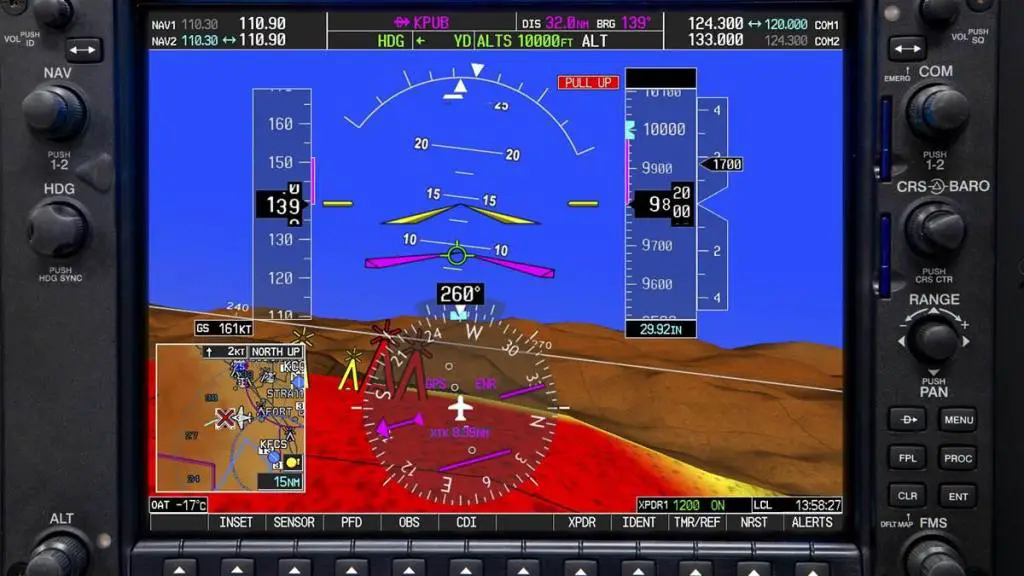
Autopilot systems use a variety of sensors to gather real-time data about the aircraft’s position, speed, altitude, and orientation. These sensors include:
- Gyroscopes: Measure the aircraft’s attitude (pitch, roll, and yaw).
- Accelerometers: Detect changes in speed and direction.
- GPS: Provides precise location data.
- Altimeters: Measure altitude.
- Airspeed Sensors: Monitor the aircraft’s speed relative to the air.
2. Flight Management System (FMS): The Brain of Autopilot
The Flight Management System (FMS) is the central computer that processes data from the sensors and executes autopilot commands. Pilots input flight plans into the FMS, which includes waypoints, altitudes, and speeds. The FMS then calculates the most efficient route and sends instructions to the autopilot system.
3. Actuators: The Muscles of Autopilot
Actuators are mechanical devices that move the aircraft’s control surfaces, such as the ailerons, elevators, and rudder. Based on instructions from the FMS, the actuators adjust these surfaces to maintain the desired flight path.
4. Feedback Loop: Continuous Monitoring and Adjustment
Autopilot systems operate in a continuous feedback loop. Sensors constantly monitor the aircraft’s performance, and the FMS makes real-time adjustments to ensure the plane stays on course. This process happens hundreds of times per second, ensuring smooth and precise control.

Key Functions of Autopilot Systems
Autopilot systems are capable of performing a wide range of functions, depending on the aircraft’s complexity and the system’s sophistication. Here are some of the most common functions:
1. Stabilization
Autopilot systems help stabilize the aircraft by maintaining a steady altitude, heading, and speed. This is particularly useful during turbulent weather or long flights.
2. Navigation
Autopilot systems can follow a pre-programmed flight plan, guiding the aircraft from one waypoint to the next. They can also adjust the route in real-time to avoid obstacles or bad weather.
3. Altitude and Speed Control
Autopilot systems can automatically adjust the throttle and control surfaces to maintain a specific altitude and speed. This is especially helpful during climb, cruise, and descent phases of flight.
4. Approach and Landing
Some advanced autopilot systems, known as autoland, can perform automatic landings. These systems are often used in low-visibility conditions, such as fog or heavy rain.
5. Fuel Efficiency
By optimizing flight paths and reducing unnecessary maneuvers, autopilot systems help conserve fuel, making flights more economical and environmentally friendly.

Types of Autopilot Systems
Autopilot systems vary in complexity and capability. They are generally categorized into three levels:
1. Single-Axis Autopilot
Single-axis autopilot systems control one dimension of flight, typically the roll axis. These systems are commonly found in smaller aircraft and are used to maintain a steady heading.
2. Two-Axis Autopilot
Two-axis autopilot systems control both the roll and pitch axes. They can maintain altitude and heading, making them suitable for more advanced aircraft.
3. Three-Axis Autopilot
Three-axis autopilot systems control the roll, pitch, and yaw axes. These systems are capable of performing complex maneuvers and are used in large commercial jets.
The Role of Pilots in Autopilot Operations
While autopilot systems are highly advanced, they are not infallible. Human pilots play a critical role in monitoring the system, making decisions, and taking control when necessary. Here’s how pilots interact with autopilot:
1. Pre-Flight Setup
Before takeoff, pilots program the FMS with the flight plan, including waypoints, altitudes, and speeds. They also configure the autopilot system based on the flight’s requirements.
2. Monitoring During Flight
Pilots continuously monitor the autopilot system to ensure it’s functioning correctly. They also keep an eye on external factors, such as weather and traffic, and make adjustments as needed.
3. Manual Override
In emergencies or unusual situations, pilots can disengage the autopilot and take manual control of the aircraft. This is a critical safety feature that ensures human oversight at all times.
Benefits of Autopilot Systems
Autopilot systems offer numerous benefits, including:
- Enhanced Safety: By reducing human error and providing precise control, autopilot systems contribute to safer flights.
- Reduced Pilot Fatigue: Automating repetitive tasks allows pilots to focus on critical aspects of flight.
- Improved Efficiency: Optimized flight paths and fuel usage make flights more economical.
- Better Passenger Comfort: Smooth, stable flights enhance the passenger experience.
Autopilot Limitations and Challenges
Despite their advantages, autopilot systems are not without limitations:
- Dependence on Sensors: Malfunctioning sensors can lead to incorrect autopilot behavior.
- Complexity: Advanced systems require extensive training for pilots to operate effectively.
- Cost: Sophisticated autopilot systems can be expensive to install and maintain.
The Future of Autopilot Technology
The future of autopilot systems is incredibly exciting. Advances in artificial intelligence (AI) and machine learning are paving the way for even more autonomous aircraft. Some potential developments include:
- Fully Autonomous Flights: While still in the experimental stage, fully autonomous aircraft could revolutionize the aviation industry.
- Enhanced Safety Features: AI-powered systems could predict and prevent potential issues before they occur.
- Integration with Urban Air Mobility: Autopilot systems will play a key role in the development of flying taxis and drones.
you can check our Airbus A320 system introduction Ebook here !
FAQs
1. How does an airplane autopilot system work?
An airplane autopilot system uses a combination of sensors, computers, and actuators to control the aircraft. Sensors like gyroscopes, accelerometers, and GPS gather real-time data about the plane’s position, speed, and altitude. This data is processed by the Flight Management System (FMS), which sends commands to actuators to adjust control surfaces like ailerons, elevators, and rudders. The system operates in a continuous feedback loop, making hundreds of adjustments per second to maintain the desired flight path.
2. What is the role of autopilot in modern aircraft?
The primary role of autopilot in modern aircraft is to assist pilots by automating repetitive tasks like maintaining altitude, heading, and speed. This reduces pilot workload, enhances precision, and improves fuel efficiency. Autopilot systems are especially useful during long-haul flights, allowing pilots to focus on navigation, communication, and safety.
3. How do pilots use autopilot during flights?
Pilots use autopilot during various phases of flight, including climb, cruise, and descent. They program the Flight Management System (FMS) with the flight plan, which includes waypoints, altitudes, and speeds. Once engaged, the autopilot follows this plan while pilots monitor its performance. In emergencies or complex situations, pilots can disengage the autopilot and take manual control.
4. What are the benefits of autopilot systems in aviation?
Autopilot systems offer several benefits, including:
- Enhanced Safety: Reduces human error and provides precise control.
- Reduced Pilot Fatigue: Automates repetitive tasks, allowing pilots to focus on critical decisions.
- Improved Fuel Efficiency: Optimizes flight paths to conserve fuel.
- Better Passenger Comfort: Ensures smooth and stable flights.
5. What is the difference between single-axis and three-axis autopilot?
- Single-axis autopilot controls only one dimension of flight, typically the roll axis, to maintain a steady heading.
- Three-axis autopilot controls the roll, pitch, and yaw axes, enabling more complex maneuvers. It is commonly used in large commercial jets.
6. How does autopilot improve flight safety?
Autopilot improves flight safety by reducing human error, maintaining precise control, and stabilizing the aircraft during turbulent conditions. It also allows pilots to focus on monitoring the flight environment and responding to emergencies.
7. Can autopilot land a plane automatically?
Yes, advanced autopilot systems, known as autoland, can perform automatic landings. These systems are often used in low-visibility conditions, such as fog or heavy rain. However, pilots are still required to monitor the process and take control if necessary.
8. How does the flight management system work with autopilot?
The Flight Management System (FMS) is the brain of the autopilot system. Pilots input the flight plan into the FMS, which calculates the most efficient route and sends instructions to the autopilot. The FMS continuously monitors the aircraft’s performance and makes real-time adjustments to ensure it stays on course.
9. What sensors are used in airplane autopilot systems?
Autopilot systems rely on several sensors, including:
- Gyroscopes: Measure the aircraft’s attitude (pitch, roll, and yaw).
- Accelerometers: Detect changes in speed and direction.
- GPS: Provides precise location data.
- Altimeters: Measure altitude.
- Airspeed Sensors: Monitor the aircraft’s speed relative to the air.
10. What is the future of autopilot technology in aviation?
The future of autopilot technology is exciting, with advancements in artificial intelligence (AI) and machine learning paving the way for fully autonomous flights. Other developments include enhanced safety features, integration with urban air mobility (e.g., flying taxis), and more efficient flight operations.
11. Can autopilot handle emergencies?
While autopilot systems are highly advanced, they are not designed to handle all emergencies. In critical situations, such as engine failure or severe weather, pilots must disengage the autopilot and take manual control. Autopilot systems are tools to assist pilots, not replace them.
12. How reliable are autopilot systems?
Autopilot systems are extremely reliable and undergo rigorous testing and certification. However, they are not infallible and depend on accurate sensor data. Pilots are trained to monitor the system and intervene if necessary.
13. Do all airplanes have autopilot systems?
Not all airplanes have autopilot systems. Smaller, general aviation aircraft may not be equipped with autopilot, while most commercial jets and larger aircraft have sophisticated autopilot systems.
14. How do autopilot systems handle turbulence?
During turbulence, autopilot systems use data from sensors to make rapid adjustments to the aircraft’s control surfaces. This helps stabilize the plane and maintain a smooth flight path, reducing discomfort for passengers.
15. Can autopilot systems fly a plane from takeoff to landing?
While autopilot systems can manage most phases of flight, including takeoff, cruise, and landing, they still require human oversight. Pilots are responsible for monitoring the system, making decisions, and taking control during critical moments.
 Aviator Tells
Leave a comment