
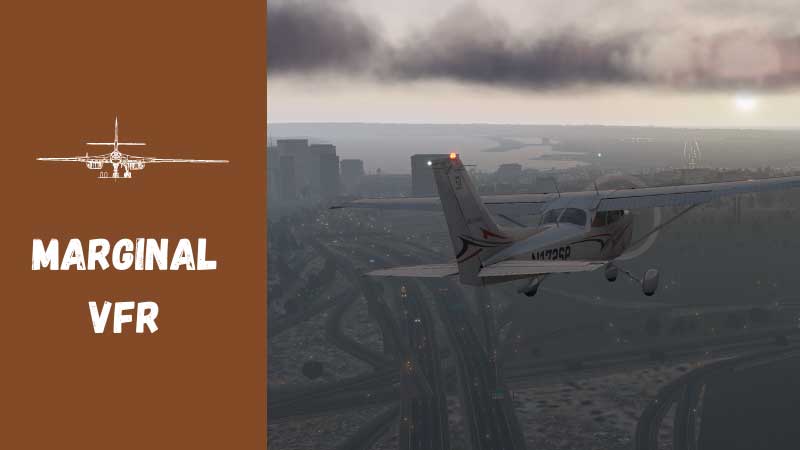
Marginal VFR (MVFR) refers to a weather condition where the visibility and cloud ceilings are close to the minimum required for Visual Flight Rules (VFR) but are still above the limits that would require Instrument Flight Rules (IFR). MVFR conditions are not ideal for VFR flight but may still be safe for pilots who are proficient in flying in lower-than-usual visibility and cloud conditions. These conditions are common for pilots flying under General Aviation (GA) and may require additional caution due to the reduced visual references.
Key Aspects of Marginal VFR
1. MVFR Weather Conditions
MVFR conditions are defined by the following weather minimums:
- Ceilings: Cloud ceilings between 1,000 feet and 3,000 feet above ground level (AGL).
- Visibility: Visibility between 3 statute miles and 5 statute miles.
In comparison, regular VFR weather minimums require:
- Ceilings: Above 3,000 feet AGL.
- Visibility: Greater than 5 statute miles.
2. Flight Planning in MVFR
- VFR Pilots: Pilots flying under regular VFR may need to evaluate whether their skill and experience levels are sufficient to fly in MVFR conditions. While still legal, MVFR can present challenges such as reduced visibility and lower cloud ceilings, which can limit navigation options.
- Pre-flight Weather Checks: It’s crucial for pilots to carefully review weather forecasts before flying in MVFR conditions. If conditions are expected to deteriorate further, it may be necessary to either delay the flight or file an IFR flight plan.
3. Risks of MVFR
- Reduced Visual Reference: In MVFR, visibility and cloud bases are lower, which can make it harder to maintain visual contact with terrain, landmarks, and the horizon. Pilots flying in mountainous or unfamiliar terrain should be particularly cautious.
- Risk of Deteriorating to IFR: Weather in MVFR conditions can often deteriorate to IFR. If conditions worsen and drop below 1,000 feet ceilings or 3 miles visibility, pilots may be forced to divert or transition to IFR if they are qualified and equipped.
- Higher Workload: Flying in MVFR increases pilot workload, as more attention is required to maintain situational awareness, navigate around weather, and ensure safe terrain clearance.
4. When MVFR Might Be Used
- Short Local Flights: Pilots flying short local flights where they are familiar with the terrain and airspace may feel comfortable operating in MVFR conditions, especially if they are prepared for changing weather.
- Flight Training: Some flight schools may allow advanced student pilots to fly in MVFR conditions to build their experience in dealing with reduced visibility and cloud coverage, as long as the conditions remain within safe limits.
- Experienced VFR Pilots: Experienced VFR pilots may also fly in MVFR conditions if they are comfortable navigating with reduced visibility and are confident in their ability to handle the situation.
5. MVFR in Controlled Airspace
- Communication with ATC: In controlled airspace (such as Class B, C, or D), pilots may need to communicate more frequently with Air Traffic Control (ATC) to ensure safe separation from other traffic and terrain when flying in MVFR conditions.
- Flight Following: Pilots operating in MVFR may request Flight Following services from ATC, even though it’s not mandatory under VFR. This can provide an additional layer of safety by helping with traffic advisories and navigation.
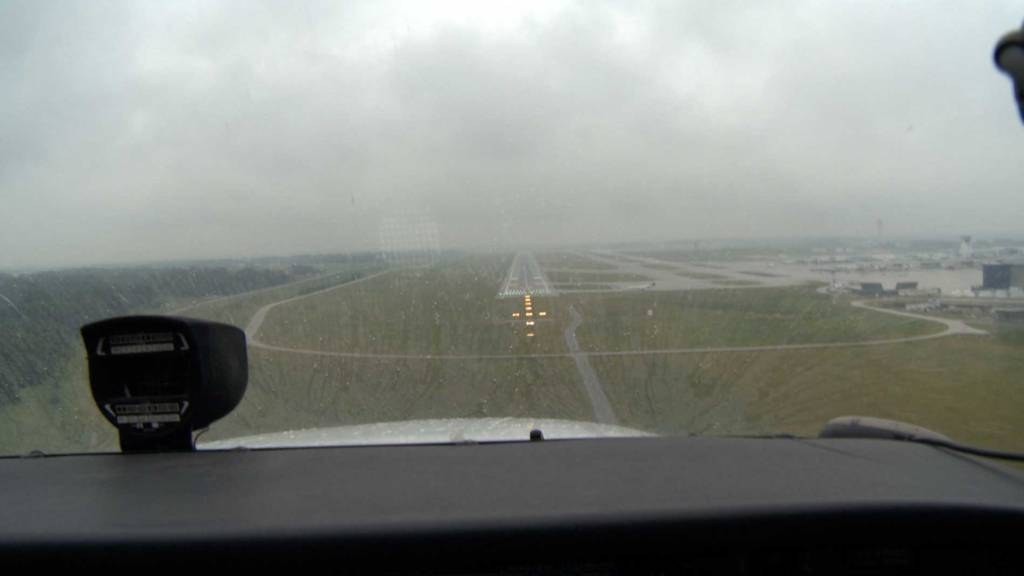
Comparison of MVFR, VFR, and IFR
| Weather Condition | Ceiling | Visibility | Flight Rules |
|---|---|---|---|
| VFR (Visual Flight Rules) | Greater than 3,000 feet AGL | More than 5 statute miles | Flight by visual references |
| MVFR (Marginal VFR) | Between 1,000 and 3,000 feet AGL | Between 3 and 5 statute miles | Visual flight, but with caution |
| IFR (Instrument Flight Rules) | Less than 1,000 feet AGL | Less than 3 statute miles | Flight by instruments only |
Flying in MVFR Conditions
- Careful Pre-flight Assessment
- Pilots should always assess whether they are comfortable flying in MVFR conditions based on their experience level, familiarity with the route, and the aircraft’s equipment. Proper weather briefings and real-time updates are critical before making the decision to fly.
- Have an Alternative Plan
- When flying in MVFR conditions, it’s important to have alternative plans, such as alternate airports to divert to if the weather worsens or to be prepared to land if conditions deteriorate below VFR minimums.
- Maintaining Situational Awareness
- Pilots must maintain strong situational awareness, as cloud bases are lower, visibility is reduced, and the chances of inadvertently entering Instrument Meteorological Conditions (IMC) are higher. Extra caution should be taken around rising terrain, obstacles, and in areas of restricted visibility.
- Requesting ATC Assistance
- If unsure about the changing weather or needing assistance, pilots can request Flight Following or, if conditions worsen, request an IFR clearance (if qualified) from ATC to ensure a safe transition to instrument-based navigation.
FAQs
1. What does Marginal VFR (MVFR) mean in aviation?
MVFR stands for Marginal Visual Flight Rules. It represents weather conditions that are better than Instrument Flight Rules (IFR) but worse than standard VFR. While VFR flight is allowed, the conditions require extra caution as visibility and ceiling are reduced, making it challenging for pilots to maintain visual contact with the terrain.
2. How is MVFR defined in aviation weather terms?
MVFR conditions are defined as:
- Ceiling: 1,000 to 3,000 feet above ground level (AGL).
- Visibility: 3 to 5 statute miles.
These parameters indicate a marginal state for VFR operations.
3. How does MVFR differ from IFR and VFR?
- VFR (Visual Flight Rules): Weather conditions with a ceiling greater than 3,000 feet and visibility greater than 5 miles.
- MVFR: Transition zone between VFR and IFR, requiring caution but not full reliance on instruments.
- IFR (Instrument Flight Rules): Conditions with ceilings below 1,000 feet or visibility less than 3 miles, requiring instrument navigation.
4. When might a pilot encounter MVFR conditions?
MVFR conditions are common in situations like:
- Morning or evening fog or haze.
- Overcast skies with broken or low clouds.
- Rain showers or light snow reducing visibility.
5. Are MVFR conditions safe for flying?
MVFR conditions are generally safe for experienced VFR pilots but require vigilance. Pilots must remain cautious about terrain, obstacles, and deteriorating weather. Less experienced pilots might struggle, especially in areas with significant terrain.
6. What challenges do MVFR conditions present to pilots?
- Reduced visibility: Makes it harder to spot terrain, obstacles, or other aircraft.
- Low ceilings: Limits altitude options and may obscure landmarks.
- Weather deterioration: MVFR conditions can quickly worsen into IFR, requiring immediate adjustments.
7. What should a pilot do when encountering MVFR conditions unexpectedly?
- Stay calm: Maintain situational awareness and avoid abrupt maneuvers.
- Monitor weather: Use onboard tools like METARs and ATIS to track conditions.
- Stay clear of terrain: Maintain a safe altitude above obstacles.
- Consider diverting: If conditions worsen, divert to an airport with better weather.
8. How can pilots prepare for MVFR flights?
- Pre-flight weather check: Review METARs, TAFs, and weather charts for potential MVFR conditions.
- Route planning: Plan alternative routes or airports with better weather conditions.
- Proficiency: Ensure currency in VFR navigation and decision-making skills.
- Carry proper equipment: GPS, sectional charts, and radios for situational awareness.
9. Are there any tools to help identify MVFR conditions during flight?
Yes, pilots can use:
- Aviation weather apps: Such as ForeFlight or Garmin Pilot.
- METAR and TAF reports: To identify airports reporting MVFR.
- In-cockpit weather tools: Such as ADS-B for real-time weather updates.
- FSS (Flight Service Stations): For enroute weather briefings.
10. Is it legal to fly under VFR in MVFR conditions?
Yes, flying under VFR in MVFR conditions is legal as long as the pilot adheres to VFR minimums. However, they must maintain visual contact with the ground and comply with airspace requirements.
11. Are there specific airspace considerations for MVFR conditions?
Yes, airspace rules still apply:
- Class B, C, D airspace: VFR pilots need 3 miles visibility and must remain clear of clouds.
- Class G airspace: May have lower visibility requirements depending on altitude and time of day.
12. How can MVFR conditions impact air traffic control (ATC) operations?
- ATC may experience an increase in traffic as more pilots request assistance navigating deteriorating conditions.
- Pilots may request special VFR (SVFR) clearances to operate safely within controlled airspace under MVFR.
13. What are common weather phenomena that create MVFR conditions?
- Fog: Reduces visibility but may not meet IFR thresholds.
- Haze or smoke: Often found near industrial areas or during wildfire season.
- Broken clouds or overcast skies: At altitudes between 1,000 and 3,000 feet.
- Precipitation: Light rain or snow that limits visibility.
14. What strategies can pilots use to mitigate risks in MVFR conditions?
- Set personal minimums: Pilots should have stricter limits than the legal minimums.
- Avoid over-reliance on visual navigation: Be prepared to transition to IFR if conditions worsen.
- Fly with a backup plan: Identify alternates and be ready to divert if needed.
- Maintain communication with ATC: Request updates or assistance when necessary.
15. How does MVFR affect general aviation vs. commercial flights?
- General Aviation: Pilots, especially student or private pilots, may be more affected due to lower experience levels or aircraft limitations.
- Commercial Aviation: Typically unaffected as aircraft and pilots are equipped for IFR.
16. How do airports handle operations under MVFR conditions?
- Airports may activate additional runway lighting or Instrument Landing Systems (ILS) to assist VFR and IFR pilots.
- ATC provides additional guidance for arriving or departing aircraft.
17. Can MVFR conditions change quickly?
Yes, MVFR conditions can deteriorate into IFR or even LIFR conditions. Pilots must monitor weather continuously and be prepared for rapid changes.
18. What’s the importance of understanding MVFR for student pilots?
MVFR is a critical learning area for student pilots because it:
- Teaches decision-making skills when weather conditions are marginal.
- Highlights the importance of thorough pre-flight planning.
- Prepares them for potential transitions to IFR if weather worsens.
19. How can MVFR impact cross-country flights?
MVFR conditions can:
- Reduce navigational landmarks, making pilotage difficult.
- Force diversions to alternate routes or airports.
- Increase flight time due to route adjustments for better weather.
20. What role does technology play in handling MVFR?
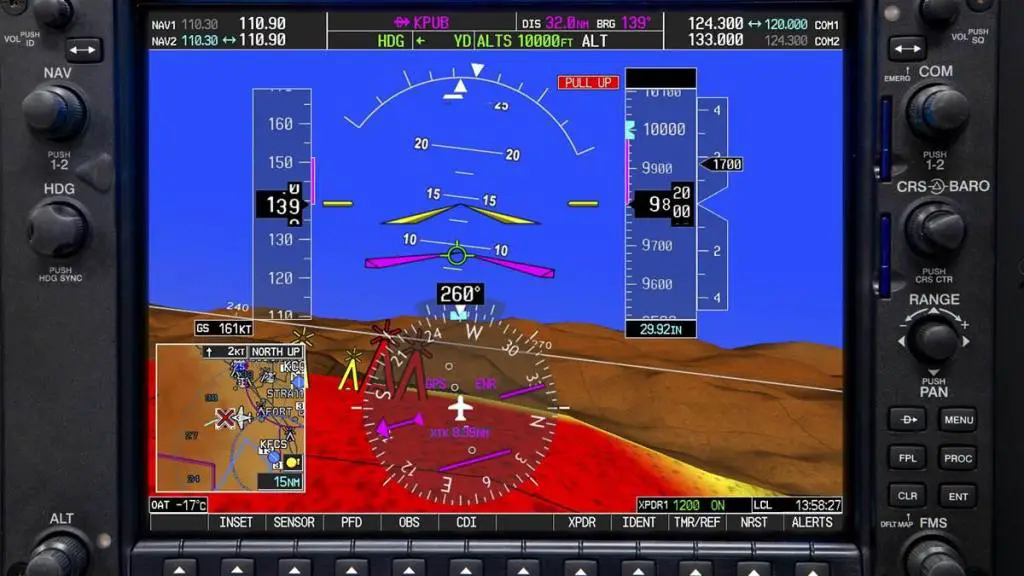
Modern avionics like synthetic vision systems (SVS), GPS, and real-time weather updates greatly enhance situational awareness, helping pilots safely navigate MVFR conditions.

 Aviator Tells
Leave a comment