
Being forced to ditch in the water is a remote possibility; However, it is worthwhile having a suitable procedure in the back of your mind.
Try to land near a ship or in a shipping lane if possible. Make a Mayday radio call before too much height is lost to ensure the best chance of reception be ground stations.
- Make emergency radio calls before ditching.
What is Ditching ?
Ditching refers to a controlled emergency landing of an aircraft on water. While ditching is not common, it’s a critical skill for pilots flying over water. Whether due to engine failure, fuel exhaustion, or other emergencies, a successful ditching relies on calm decision-making and adherence to procedures to minimize the risks involved.
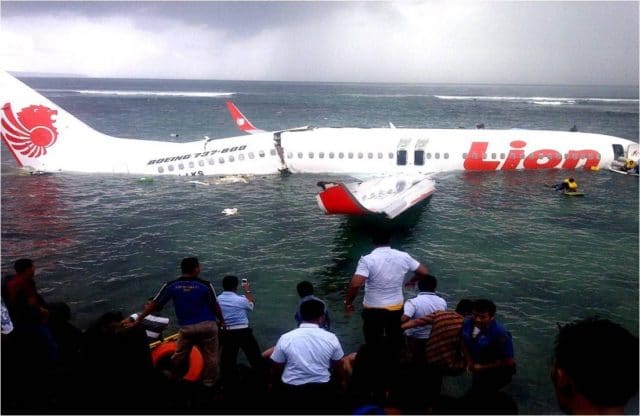
Key Considerations for Ditching
- Aircraft type: Whether the aircraft is designed for water landings (e.g., seaplanes) or not, the procedures and outcomes may differ. Non-amphibious aircraft are typically not designed for water landings but can still be ditched safely with proper technique.
- Time and altitude: Ditching is most manageable when the pilot has time to assess the situation and select a landing area. The higher the altitude, the more time to prepare. Engine failures at low altitudes may require a more immediate response.
- Weather and sea conditions: Wind, waves, and weather can significantly affect the success of a ditching. Calm water is ideal, but pilots must often contend with waves and wind.
Procedure for Ditching
1. Prepare for Ditching
- Assess the situation: Once it’s determined that a ditching is necessary, quickly assess options. Consider the available fuel, altitude, and proximity to the nearest land or rescue operations.
- Communicate the emergency: If time permits, declare an emergency to Air Traffic Control (ATC) or broadcast on the emergency frequency (121.5 MHz). Provide your position, altitude, and intentions, and activate the Emergency Locator Transmitter (ELT).
- Don life vests: Ensure all passengers put on life vests, but avoid inflating them until after exiting the aircraft to prevent being trapped.
2. Choose a Landing Area
- Wind and waves: Aim to land parallel to the swells and into the wind. If the sea is calm, landing into the wind is preferred, as it reduces groundspeed. In rough seas, it’s generally safer to land along the back of a wave, parallel to the swells, to reduce the chance of the aircraft flipping.
- Proximity to rescue: If possible, land near boats, ships, or coastlines to improve the chances of rescue.
3. Configure the Aircraft for Ditching
- Slow to approach speed: Reduce airspeed to the aircraft’s best glide speed or landing approach speed. If your aircraft manual provides specific ditching speeds, follow them closely. For most small aircraft, full flaps may be used to slow the descent and landing speed.
- Secure the cabin: Ensure seat belts and harnesses are fastened. Stow or secure any loose items to prevent them from causing injury during the landing.
- Shut off non-essential systems: Before touchdown, turn off the engine, electrical systems, and fuel supply to minimize the risk of fire on impact.
4. Approach and Landing
- Final approach: Set up for a shallow descent, ideally as low and slow as possible. Unlike landing on a runway, a water landing should be at the lowest possible speed to reduce the impact force.
- Flare: Just before contact with the water, flare the aircraft (raise the nose slightly) to reduce descent rate and soften the landing. The goal is to touch the water with the fuselage and wings as level as possible.
- Touchdown: Ideally, the aircraft should settle gently on the water, allowing the belly or floats (if equipped) to absorb the impact.
5. After Touchdown
- Evacuate the aircraft: Once the aircraft has come to a stop, evacuate immediately. Life vests should be inflated after exiting the aircraft. If the aircraft is sinking, get out as quickly as possible, using emergency exits.
- Deploy life raft: If the aircraft is equipped with a life raft, deploy it as soon as possible and assist passengers in boarding. A life raft offers flotation, protection from the elements, and visibility to rescuers.
- Stay near the aircraft: The aircraft’s fuselage can serve as a flotation device, and staying nearby increases the chances of rescue, as it will likely be easier to spot from the air or sea.
If you are interested you should read about the Forced Landing without Power
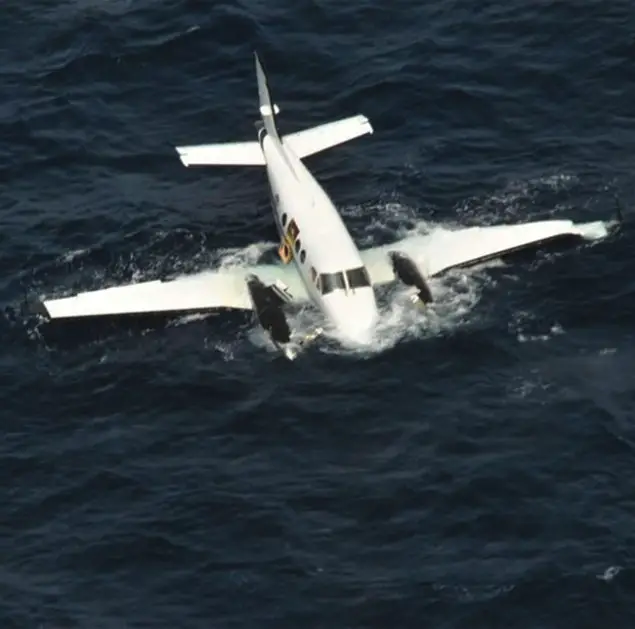
Key Points to Remember During Ditching
- Calm and control: Maintaining control of the aircraft and executing a smooth landing is key. Panicking can lead to rushed or incorrect decisions.
- Evacuation plan: Ensure that passengers are aware of the evacuation procedure. Brief them on how to open doors, inflate life vests, and deploy the life raft.
- Weather impact: High waves and strong winds may require adjustments to your landing approach. Attempt to touch down with the least amount of energy possible to avoid flipping or damaging the aircraft.
Challenges in Ditching
- Aircraft damage: Non-amphibious aircraft are not designed for water landings, so damage to the fuselage or wings is expected. In some cases, parts of the aircraft may break off or water may flood the cabin quickly.
- Sinking risk: Depending on the aircraft type and water conditions, it may begin to sink quickly after touchdown. Pilots and passengers should be prepared for a rapid evacuation.
- Cold water and hypothermia: In cold water, the risk of hypothermia is a serious concern. Staying dry and getting into a life raft is critical for survival. In warmer waters, the risks of dehydration and sun exposure increase if rescue takes time.
FAQs
1. What is ditching in aviation?
Ditching refers to an emergency landing of an aircraft on a water surface. It is typically performed when a safe landing on land is not possible due to mechanical failures, fuel exhaustion, or other emergencies.
2. What factors determine a successful ditching?
- Pilot skill and training.
- Aircraft design and ditching preparation.
- Sea conditions (waves, wind, current).
- Availability of safety equipment, such as life vests and rafts.
3. Are all aircraft designed for water ditching?
No, only seaplanes and amphibious aircraft are specifically designed for water landings. Regular commercial and private aircraft are not optimized for ditching but can still perform emergency water landings if necessary.
4. What are the steps pilots take during ditching?
- Notify ATC: Declare an emergency and inform of intent to ditch.
- Prepare the Cabin: Ensure passengers secure their seat belts and adopt the brace position.
- Select Landing Area: Choose a location with calm water and minimal obstacles.
- Execute Landing: Align with the waves if large or against the wind in calm conditions.
- Evacuate Safely: Deploy life rafts and assist passengers.
5. What is the brace position, and why is it important?
The brace position minimizes injury during impact by stabilizing the body and reducing forward movement. Passengers typically lean forward, tuck their head, and secure their arms over their head or knees.
6. How do pilots select the best ditching location?
Pilots consider:
- Water Surface: Calm water with minimal waves is ideal.
- Proximity to Rescue: Areas near ships or coastlines improve chances of rescue.
- Obstacles: Avoid areas with floating debris or strong currents.
7. What safety equipment is essential for ditching?
- Life Vests: Worn by every passenger.
- Life Rafts: Provide flotation and protection.
- Emergency Locator Transmitter (ELT): Sends a distress signal to rescuers.
- Signaling Devices: Whistles, mirrors, or flares to attract attention.
8. How does the design of an aircraft affect ditching?
Aircraft with low wing designs and engines mounted above the fuselage are generally better suited for water landings as they reduce the risk of engines contacting the water.
9. What are common challenges during a water landing?
- Sea Conditions: High waves and strong currents can complicate landing.
- Aircraft Stability: Risk of flipping or breaking apart upon impact.
- Cold Water: Hypothermia is a significant risk in cold climates.
10. How do passengers prepare for ditching?
- Follow crew instructions carefully.
- Wear life vests but do not inflate them until outside the aircraft.
- Know the location of emergency exits and life rafts.
11. How does water temperature affect survival?
Cold water increases the risk of hypothermia, which can drastically reduce survival time. Passengers should stay as dry as possible and huddle together to conserve heat.
12. How long does an aircraft float after ditching?
It depends on the aircraft type and damage sustained. Some may float for minutes, while others can stay afloat longer if the fuselage remains intact and buoyant.
13. What should passengers do immediately after ditching?
- Exit the aircraft calmly but quickly.
- Inflate life vests once outside the aircraft.
- Board life rafts, if available.
- Use signaling devices to attract rescuers.
14. Are there specific techniques for landing on water?
Yes. Pilots aim to:
- Land parallel to waves (if large) or against the wind in calm water.
- Reduce speed as much as possible before contact.
- Maintain a controlled descent to minimize impact forces.
15. What is the role of the cabin crew during ditching?
- Instruct passengers on safety procedures.
- Assist with wearing and using life vests.
- Organize evacuation and ensure orderly boarding of life rafts.
16. How are search and rescue operations triggered after ditching?
- The ELT transmits a distress signal automatically.
- ATC alerts rescue teams if communication with the aircraft is lost.
- Passengers and crew can use flares, mirrors, or other devices to signal rescuers.
17. What are the survival tips after ditching?
- Stay calm and conserve energy.
- Avoid drinking seawater.
- Use life rafts to stay dry and protected.
- Signal for help using mirrors, whistles, or flares.
18. Have there been successful ditching events in aviation history?
Yes, notable examples include:
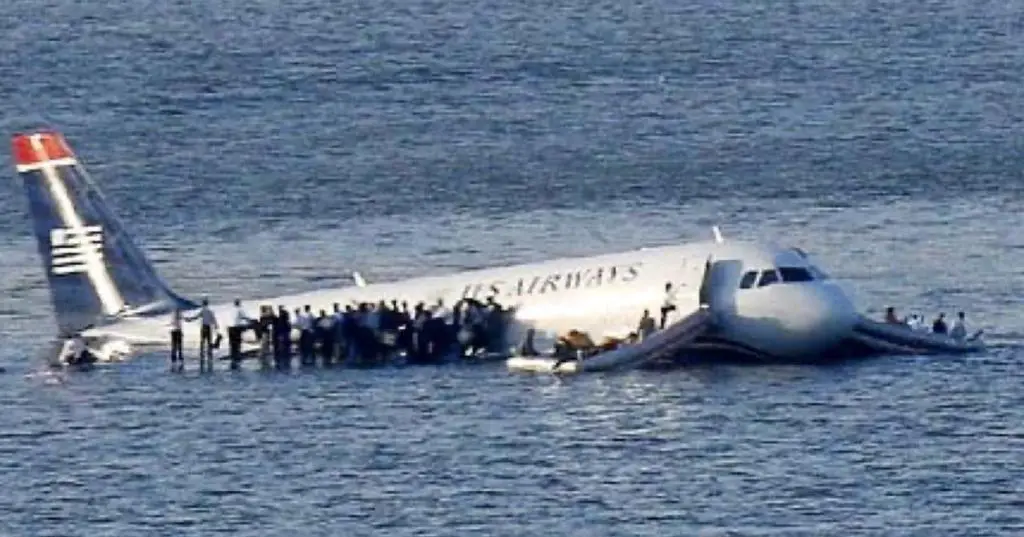
- US Airways Flight 1549 (2009): “Miracle on the Hudson,” where Captain Chesley “Sully” Sullenberger safely landed an Airbus A320 on the Hudson River after a bird strike.
19. How can passengers mentally prepare for ditching?
- Familiarize yourself with safety briefings and exit locations.
- Pay attention to crew demonstrations.
- Remain calm and follow instructions during emergencies.
20. How do weather conditions influence ditching?
- Calm Weather: Easier landing and evacuation.
- Stormy Weather: Increased risk due to strong winds and large waves.
21. Are there simulators for practicing ditching?
Yes, pilots and some cabin crew undergo water ditching simulations during emergency training to practice procedures and enhance preparedness.


 Aviator Tells
Leave a comment