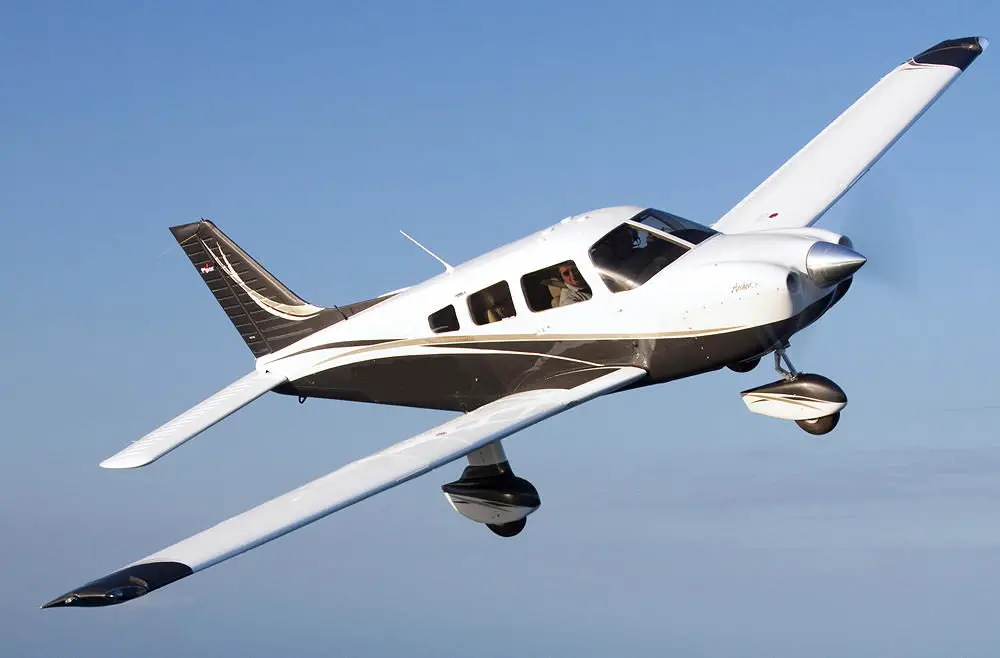
I have more than 250 hours on this beautiful plane, and It’s probably one of the best airplanes I’ve ever flown.
The Piper PA-28 Cherokee is a family of light aircraft designed for flight training, air taxi, and personal use.
Known for its versatility, reliability, and ease of handling, the Cherokee series has become one of the most popular and enduring aircraft in general aviation.
This guide provides an in-depth look at the Piper PA-28 Cherokee, including its history, design, specifications, variants, and applications.
History and Development
The Piper PA-28 Cherokee was first introduced in 1960 by Piper Aircraft. It was developed as a low-cost, all-metal, four-seat aircraft to compete with the popular Cessna 172 and Beechcraft Musketeer.
The Cherokee’s design focused on simplicity, ease of maintenance, and operational efficiency, making it a popular choice among flight schools and private owners.

Piper PA-28 Cherokee Design and Features
The Piper PA-28 Cherokee features a low-wing design with fixed tricycle landing gear, providing stable and forgiving flight characteristics. Key design elements include:
- Construction: All-metal construction for durability and ease of maintenance.
- Wing Design: Low-wing configuration for improved visibility and stability.
- Landing Gear: Fixed tricycle landing gear for easy ground handling.
- Cockpit: Ergonomically designed with intuitive controls and instrumentation.
- Cabin: Spacious and comfortable, accommodating up to four passengers.
Piper PA-28 Cherokee Specifications
Here are the general specifications for the Piper PA-28 Cherokee:
| Specification | Details |
|---|---|
| Manufacturer | Piper Aircraft |
| Model | PA-28 Cherokee |
| Configuration | Single-engine, low-wing monoplane |
| Capacity | 4 seats |
| Length | 23 ft 3 in (7.09 m) |
| Wingspan | 30 ft 0 in (9.14 m) |
| Height | 7 ft 3 in (2.21 m) |
| Empty Weight | 1,200 lbs to 1,500 lbs (varies by model) |
| Gross Weight | 2,150 lbs to 2,550 lbs (varies by model) |
| Fuel Capacity | 36-50 gallons (varies by model) |
| Cruise Speed | 105 knots to 125 knots (varies by model) |
| Range | 500 to 700 nautical miles (varies by model) |
| Engine | Lycoming O-320, O-360, or IO-360 |
| Power Output | 150 hp to 200 hp (varies by model) |
If you are interested you should read about the Piper PA-24 Comanche

Types of Piper PA 28 Cherokee
The Piper PA-28 Cherokee series includes several variants, each tailored to meet specific performance and operational requirements:
- PA-28-140 Cherokee Cruiser:
- Engine: Lycoming O-320, 150 hp
- Cruise Speed: 105 knots
- Range: 500 nautical miles
- PA-28-160 Cherokee:
- Engine: Lycoming O-320, 160 hp
- Cruise Speed: 110 knots
- Range: 600 nautical miles
- PA-28-180 Cherokee:
- Engine: Lycoming O-360, 180 hp
- Cruise Speed: 120 knots
- Range: 600 nautical miles
- PA-28-235 Cherokee Pathfinder:
- Engine: Lycoming O-540, 235 hp
- Cruise Speed: 130 knots
- Range: 700 nautical miles
- PA-28R Arrow:
- Engine: Lycoming IO-360, 200 hp
- Cruise Speed: 140 knots
- Range: 800 nautical miles
- Notable Features: Retractable landing gear and constant-speed propeller
Applications
The Piper PA-28 Cherokee is used in a variety of applications, including:
- Flight Training: Popular among flight schools for its forgiving flight characteristics and ease of maintenance.
- Personal Use: Favored by private owners for personal travel and recreation.
- Air Taxi: Suitable for short-haul passenger and cargo transport.
- Aerial Photography: Used for aerial survey and photography due to its stable flight characteristics.

Maintenance and Performance Upgrades
Maintaining the Piper PA-28 Cherokee involves regular inspections and servicing to ensure longevity and performance. Key maintenance tasks include:
- Oil Changes: Regular oil changes are essential for engine health.
- Spark Plug Replacement: Ensuring efficient ignition and combustion.
- Magneto Inspection and Servicing: Crucial for reliable ignition.
- Fuel System Maintenance: Keeping the carburetor or fuel injection system clean and functional.
- Airframe Inspections: Regular inspections for corrosion and structural integrity.
For those looking to enhance performance, various aftermarket parts and upgrades are available:
- Avionics Upgrades: Modern avionics can enhance safety and functionality.
- Electronic Ignition Systems: Improve reliability and efficiency compared to traditional magnetos.
- Lightweight Starters and Alternators: Reduce weight and improve starting performance.
- Exhaust Systems: Performance exhaust systems can enhance power output and reduce weight.
- Interior Upgrades: Refurbishing the interior can improve comfort and aesthetics.

Piper PA-28 Cherokee Price
The price of a Piper PA-28 Cherokee can vary based on the model, age, condition, and any modifications or upgrades. As of 2024, prices generally range from:
- Early Models (PA-28-140, PA-28-160): $30,000 to $60,000
- Later Models (PA-28-180, PA-28-235): $50,000 to $100,000
- High-Performance Models (PA-28R Arrow): $70,000 to $150,000
FAQs
1. What is the Piper PA-28 Cherokee?
The Piper PA-28 Cherokee is a family of single-engine, low-wing, light aircraft designed for general aviation. Its simplicity, reliability, and affordability make it a favorite for pilot training and personal use.
2. Why is the Piper PA-28 Cherokee ideal for pilot training?
The PA-28 Cherokee is perfect for pilot training due to its:
- Stability: Forgiving flight characteristics.
- Durability: Rugged construction to handle student pilots.
- Affordability: Reasonable operating costs.
- Versatility: Suitable for various training phases, from basic maneuvers to cross-country flights.
3. What are the key features of the Piper PA-28 Cherokee?
- Single-engine, piston-powered design.
- Fixed tricycle landing gear for easier ground handling.
- Low-wing configuration for improved visibility and stability.
- Spacious cabin with comfortable seating for up to four people.
4. What models are included in the Piper PA-28 family?
The PA-28 family includes several popular models, such as:
- Cherokee 140: Basic model often used for training.
- Archer: Updated version with improved avionics.
- Warrior: Popular for both training and recreational flying.
- Arrow: Equipped with retractable landing gear for advanced training.
5. What is the cruising speed of the Piper PA-28 Cherokee?
Depending on the model, the Cherokee has a cruising speed between 105 and 135 knots (120-155 mph), making it efficient for cross-country training.
6. What is the fuel capacity and consumption of the Piper PA-28 Cherokee?
The Cherokee typically holds 48 gallons of usable fuel, with an average burn rate of 8-10 gallons per hour, providing a range of around 500 nautical miles.
7. How does the low-wing design benefit training in the Piper PA-28 Cherokee?
The low-wing design improves lateral stability and provides better in-flight visibility of the ground, aiding in navigation and situational awareness during training.
8. What avionics are typically installed in the Piper PA-28 Cherokee?
Modern versions often feature updated avionics such as:
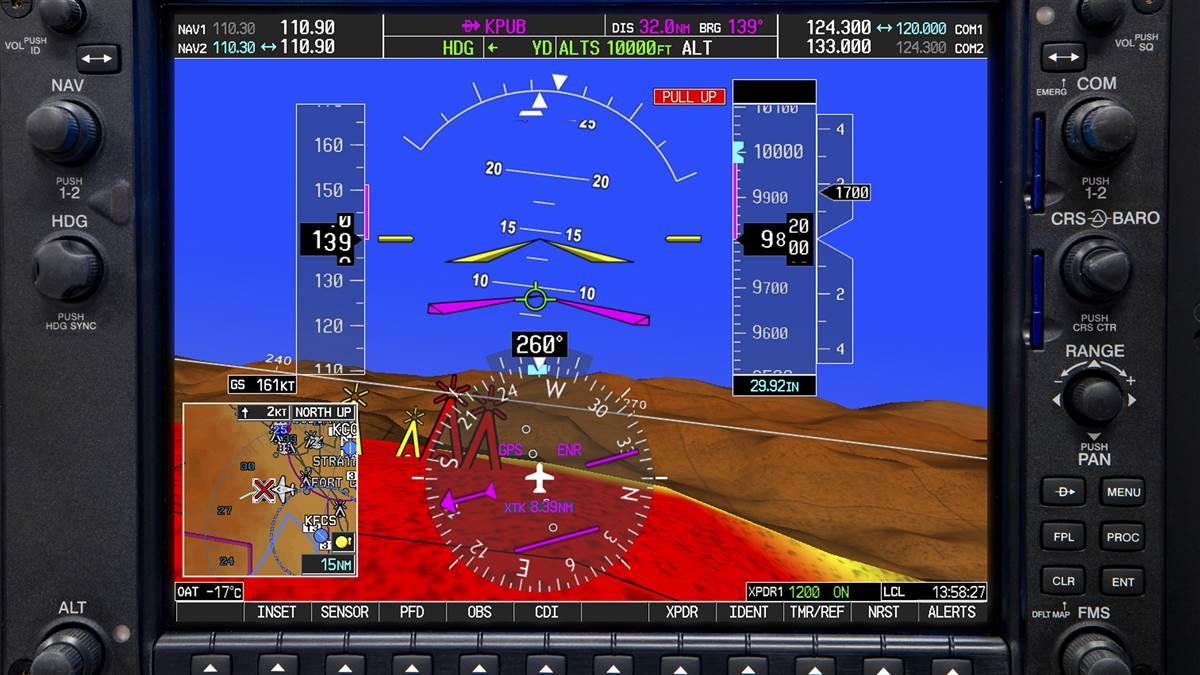
- Garmin G1000 glass cockpit (in newer models).
- Traditional steam gauges for foundational training.
- GPS and autopilot systems for advanced navigation training.
9. Is the Piper PA-28 Cherokee suitable for instrument training?
Yes, the Cherokee is equipped to handle Instrument Flight Rules (IFR) training with its stable flight characteristics and robust instrumentation.
10. How does the Piper PA-28 Cherokee compare to the Cessna 172?
Both are excellent training aircraft, but key differences include:
- Cherokee: Low-wing, more stable in turbulence, slightly faster.
- Cessna 172: High-wing, easier ground visibility, more forgiving in slow flight.
11. What are the safety features of the Piper PA-28 Cherokee?
- Stall characteristics: Gentle and predictable stalls for training safety.
- Simple systems: Reduces the likelihood of operational errors.
- Durable landing gear: Handles hard landings common in training.
12. What is the payload capacity of the Piper PA-28 Cherokee?
The Cherokee offers a typical useful load of 850-1,000 lbs, depending on the model, making it suitable for carrying passengers and baggage on training or recreational flights.
13. How easy is it to maintain the Piper PA-28 Cherokee?
The Cherokee is relatively easy to maintain, with readily available parts and a straightforward design, reducing downtime and costs for flight schools.
14. Can the Piper PA-28 Cherokee handle cross-country training?
Yes, the Cherokee’s range, speed, and comfort make it ideal for cross-country training, allowing students to gain valuable navigation and planning experience.
15. How does the Piper PA-28 perform in emergency training?
The Cherokee’s stable flight characteristics and predictable handling allow instructors to safely teach simulated engine failures, emergency descents, and other scenarios.
16. What type of landing gear does the Piper PA-28 Cherokee have?
Most models feature fixed tricycle landing gear, simplifying ground handling and reducing maintenance compared to retractable gear systems.
17. How durable is the Piper PA-28 Cherokee for repeated student use?
The Cherokee is designed to withstand frequent landings and takeoffs, making it highly durable for student pilots who are still mastering techniques.
18. What makes the Piper PA-28 a cost-effective choice for flight schools?
- Lower acquisition costs compared to some competitors.
- Affordable fuel consumption and maintenance.
- Longevity and availability of parts reduce long-term expenses.
19. What licensing stages can the Piper PA-28 Cherokee cover?
The Cherokee can be used for:
- Private Pilot License (PPL) training.
- Instrument Rating (IR).
- Commercial Pilot License (CPL) training in advanced models like the Arrow.
20. What are the challenges of flying the Piper PA-28 Cherokee?
While the Cherokee is forgiving, pilots should be cautious of:
- Ground effect during landings: Can cause floating on approach.
- Crosswind landings: Slightly trickier compared to high-wing designs.
21. How does the Piper PA-28 support modern flight training?
With updated avionics options, the Cherokee bridges the gap between traditional and modern aviation, ensuring students are prepared for diverse flying environments.
22. What is the historical significance of the Piper PA-28 Cherokee?
Introduced in 1961, the Cherokee has trained thousands of pilots worldwide and remains one of the most iconic aircraft in general aviation history.
23. Can the Piper PA-28 Cherokee be upgraded?
Yes, many older models can be retrofitted with modern avionics, upgraded interiors, and performance enhancements.
24. What is the resale value of the Piper PA-28 Cherokee?
Due to its popularity and reliability, the Cherokee holds its value well, making it a solid investment for both schools and private owners.
25. Is the Piper PA-28 Cherokee still in production?
While some variants are no longer in production, Piper continues to manufacture updated aircraft inspired by the Cherokee design, like the Archer LX.


Leave a Reply