
Departure procedures (DPs) are critical elements in aviation, designed to provide a safe and efficient transition from the airport environment to the en-route airspace. The primary purpose is to provide obstacle clearance protection information to pilots.
They help ensure that aircraft avoid obstacles, maintain safe separation, and integrate smoothly into the air traffic control (ATC) system.
Types of Departure Procedures
There are two main types of departure procedures: Standard Instrument Departures (SIDs) and Obstacle Departure Procedures (ODPs).
Standard Instrument Departures (SIDs):
- Definition: SIDs are pre-planned routes that streamline the departure process by providing a structured path from the runway to the en-route airspace.
- Purpose: To manage air traffic efficiently, reduce pilot and controller workload, and ensure safe separation between departing aircraft.
- Characteristics: SIDs are usually designed to accommodate high traffic volumes and often include waypoints, altitude restrictions, and speed limitations.
Obstacle Departure Procedures (ODPs):
- Definition: ODPs are designed to provide obstruction clearance when no SID is published or when obstacles in the departure path are a concern.
- Purpose: To ensure safe terrain and obstacle clearance during the initial climb phase.
- Characteristics: ODPs can be textual or graphical and are typically simpler than SIDs, focusing primarily on ensuring obstacle clearance.
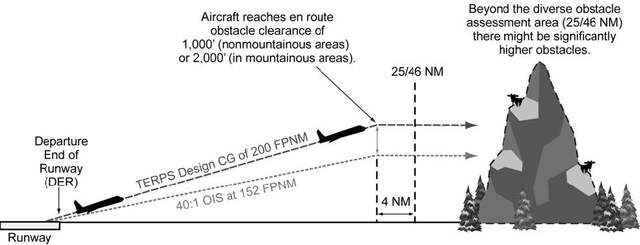
Planning Departure Procedures
Proper planning of departure procedures is crucial for a safe and efficient flight. Here are the key steps involved:
- Pre-Flight Preparation:
- Review Departure Procedures: Study the published DPs for the departure airport, including both SIDs and ODPs.
- Check NOTAMs: Review Notices to Airmen (NOTAMs) for any temporary changes or restrictions affecting departure procedures.
- Weather Assessment: Consider weather conditions, including visibility, wind, and potential turbulence, which can impact departure.
- Flight Plan Filing:
- Choose an Appropriate DP: Select the SID or ODP that best fits your route and aircraft performance capabilities.
- Include DP in Flight Plan: Ensure that the chosen departure procedure is included in your filed flight plan, specifying the appropriate transition point.
- Briefing:
- Pilot Briefing: Conduct a thorough briefing, including the expected departure procedure, initial climb instructions, altitudes, and communication frequencies.
- Crew Coordination: Ensure all crew members are aware of their roles and responsibilities during the departure phase.
Execution of Departure Procedures
Executing departure procedures involves precise adherence to the published instructions and maintaining effective communication with ATC. Here’s a step-by-step guide:
- Pre-Departure:
- Clearance Delivery: Obtain and read back the ATC clearance, ensuring you understand the assigned departure procedure and any instructions.
- Programming FMS/GPS: Enter the departure procedure and relevant waypoints into the Flight Management System (FMS) or GPS.
- Taxi and Takeoff:
- Taxi to Runway: Follow taxi instructions to the departure runway, being mindful of any hold short instructions or runway crossings.
- Line Up and Wait: Position the aircraft on the runway, complete the before-takeoff checklist, and wait for takeoff clearance.
- Takeoff Clearance: Acknowledge takeoff clearance from ATC and begin the takeoff roll.
- Initial Climb:
- Follow DP Instructions: Adhere to the altitude and heading instructions specified in the departure procedure.
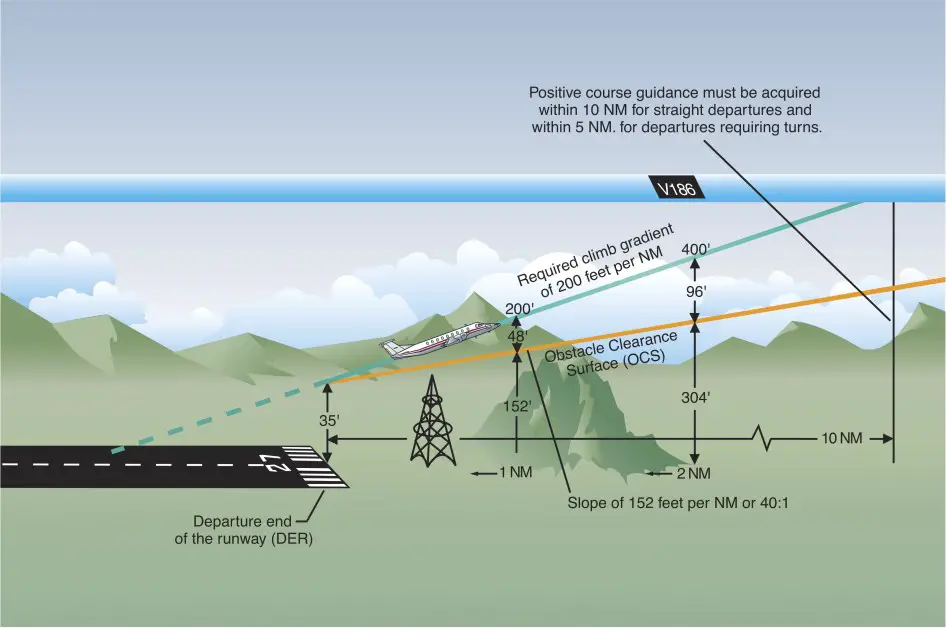
- Obstacle Clearance: Ensure compliance with any minimum climb gradients or altitude restrictions to clear obstacles safely.
- Transition to En-Route:
- Waypoint Navigation: Follow the specified waypoints and transitions in the departure procedure.
- ATC Communication: Maintain communication with ATC, reporting position and altitude as required.
- Transition to En-Route: Upon reaching the final waypoint of the departure procedure, transition to the en-route phase as instructed by ATC.
If you are interested you should read about the Difference Between ILS and MLS in Aviation
Tips for Effective Departure Procedures
- Stay Ahead of the Aircraft: Anticipate upcoming waypoints, altitude changes, and ATC instructions to avoid last-minute adjustments.
- Use Automation Wisely: Utilize the aircraft’s autopilot and navigation systems to reduce workload, but remain vigilant and prepared to take manual control if needed.
- Monitor Performance: Continuously monitor the aircraft’s performance, ensuring adherence to the specified climb rates and speeds.
- Situational Awareness: Maintain awareness of your position relative to terrain, obstacles, and other aircraft.
FAQs
1. What are Departure Procedures (DPs) in aviation?
Departure Procedures (DPs) are preplanned, standardized routes published to guide aircraft safely from the runway to the en route airspace during departure. They help manage air traffic flow, ensure obstacle clearance, and optimize fuel efficiency.
2. Why are DPs important for pilots?
DPs are critical for:
- Obstacle clearance: Ensuring the aircraft avoids terrain and obstacles during climb-out.
- Efficiency: Streamlining departures to reduce delays and improve fuel efficiency.
- Safety: Providing a clear and structured route during the departure phase of flight.
3. How are Departure Procedures categorized?
There are two main types of DPs:
- Obstacle Departure Procedures (ODPs): Designed primarily to ensure obstacle clearance.
- Standard Instrument Departures (SIDs): More complex procedures integrating obstacle clearance with air traffic control (ATC) requirements.
4. What is the difference between ODPs and SIDs?
- ODPs: Simple routes designed primarily for obstacle avoidance. Pilots can fly them without ATC clearance.
- SIDs: Include detailed instructions for navigating air traffic and require ATC clearance to follow.
5. Are DPs mandatory for all flights?
Not always. DPs are mandatory if assigned by ATC or if the pilot determines they are necessary for obstacle clearance or safe navigation.
6. How are DPs published and accessed?
DPs are published in the Terminal Procedures Publication (TPP) and are accessible through:
- FAA publications.
- Flight planning software and apps like ForeFlight and Garmin Pilot.
- Aeronautical charts and databases.
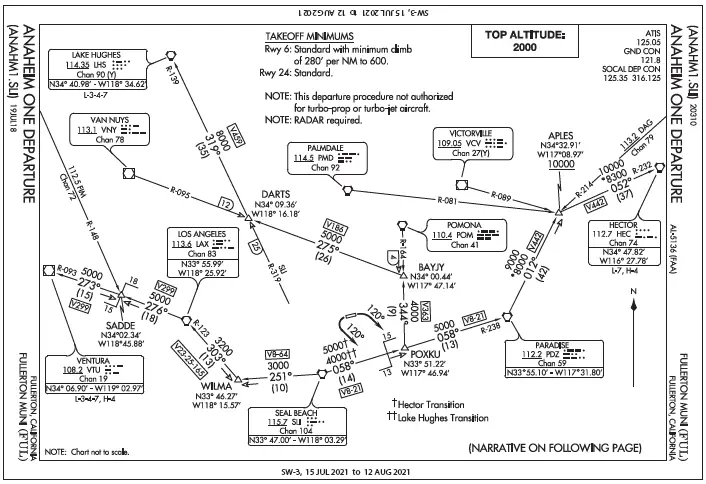
7. What information is included in a DP chart?
A DP chart typically includes:
- Departure route description.
- Minimum climb gradients.
- Transition points.
- Navigational aids (VORs, waypoints).
- Communication frequencies.
- Altitude restrictions.
8. How do pilots determine which DP to use?
Pilots consider the following factors:
- Departure airport and runway.
- Aircraft performance (e.g., climb rate, weight).
- Weather conditions.
- ATC clearance and instructions.
9. What is the climb gradient, and why is it important?
The climb gradient specifies the minimum vertical climb rate an aircraft must maintain, usually expressed in feet per nautical mile (ft/NM). It ensures the aircraft clears obstacles along the departure path.
10. Can a pilot reject a SID assignment?
Yes, pilots can reject a SID if it is beyond their aircraft’s capabilities or if they are unfamiliar with the procedure. In such cases, they must inform ATC and request an alternative clearance.
11. Do DPs vary between airports?
Yes, DPs are airport-specific and account for unique terrain, obstacle challenges, and air traffic requirements at each location.
12. What role does ATC play in Departure Procedures?
ATC provides:
- SID assignments and clearances.
- Alternate routing if DPs are unavailable or unsuitable.
- Assistance in coordinating departures with other traffic.
13. Are there specific equipment requirements for flying DPs?
Yes, some DPs require:
- Specific navigation equipment, such as RNAV (GPS).
- Communication with ATC for SID compliance.
- Aircraft capable of maintaining required climb gradients.
14. How do pilots prepare for flying a DP?
Preparation includes:
- Reviewing the DP chart during preflight planning.
- Calculating required climb gradients.
- Programming the route into the flight management system (FMS) if applicable.
- Verifying ATC clearance and instructions.
15. How are DPs designed to ensure obstacle clearance?
DPs are created to guarantee that aircraft maintain at least a 200 ft/NM climb gradient (unless specified otherwise) to clear obstacles safely.
16. What are the common challenges when flying a DP?
- Maintaining required climb gradients, especially at high altitudes or with heavy aircraft.
- Following complex navigation instructions.
- Managing workload during a busy departure phase.
17. Can a VFR flight use DPs?
No, DPs are designed for IFR flights. However, pilots transitioning to IFR shortly after departure may use them if cleared by ATC.
18. How do RNAV SIDs differ from traditional SIDs?
RNAV SIDs use GPS or other RNAV systems for precise navigation, while traditional SIDs rely on ground-based navigation aids like VORs and NDBs.
19. Are there any alternatives to DPs?
In cases where DPs are not used or unavailable, ATC may issue:
- Specific departure instructions.
- Vectors for departure.
- Direct routing to en route airspace.

 Aviator Tells
Leave a comment