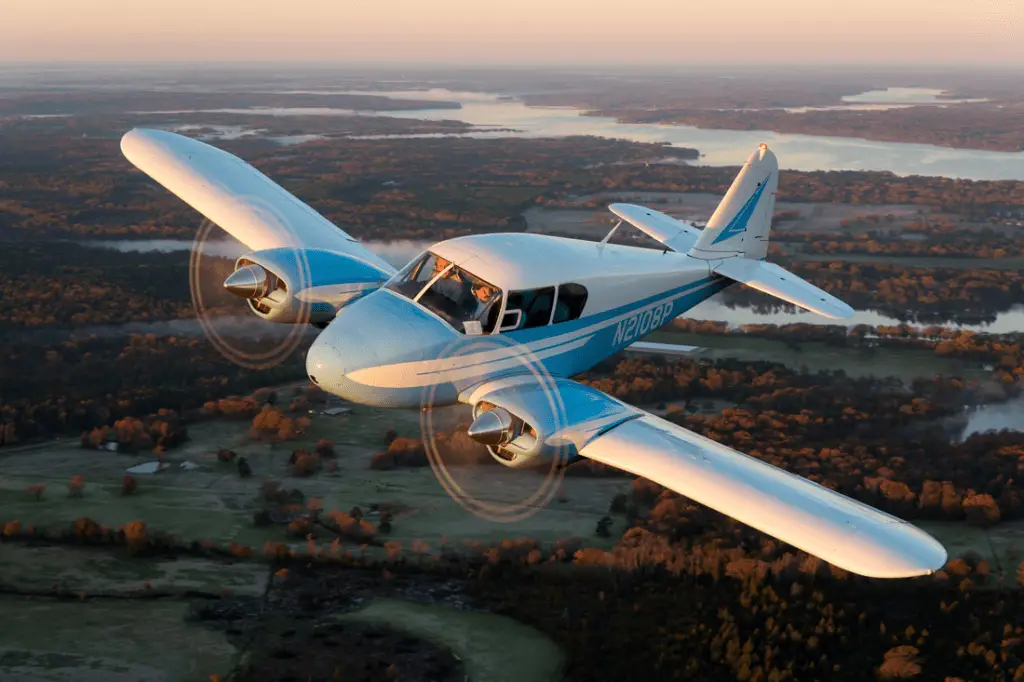
PA-23 Apache is a light twin-engine aircraft that has earned a reputation for being reliable, versatile, and a solid performer.
Introduced in the 1950s by Piper Aircraft, the Apache has been a popular choice for training, personal use, and light commercial operations.
History and Development
The Piper PA-23 Apache, initially introduced in 1954, marked Piper Aircraft’s entry into the light twin-engine market.
The development aimed to provide an affordable, easy-to-fly twin-engine aircraft that could be used for multi-engine training and personal transport.
Over its production run, several variants were introduced, each offering improved performance and features.
Piper PA-23 Apache Design and Features
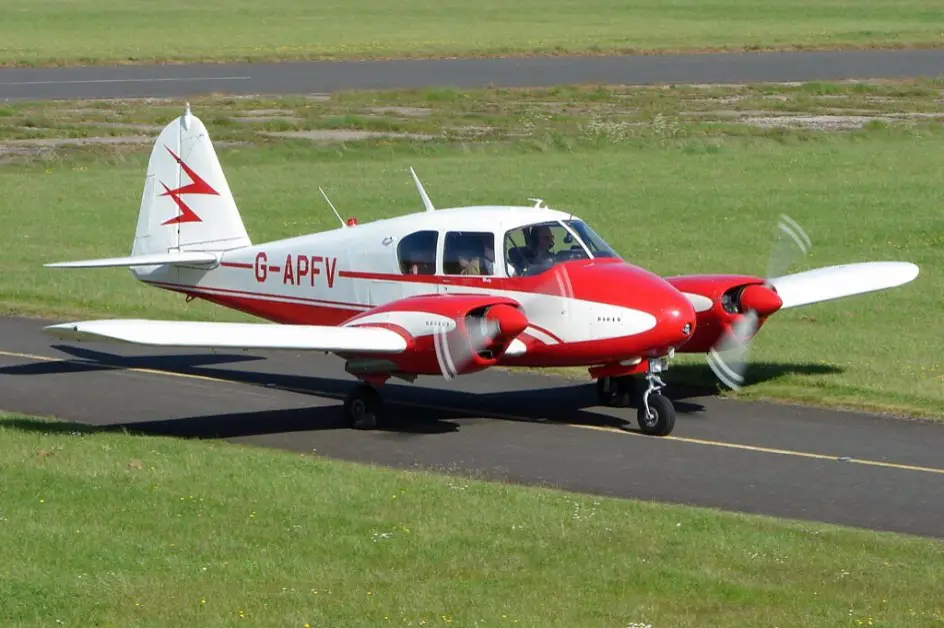
The Piper PA-23 Apache is a low-wing, twin-engine monoplane featuring all-metal construction and a conventional tail. Its design emphasizes simplicity, durability, and ease of maintenance, making it a reliable choice for various aviation needs.
- Airframe: The Apache features a robust, all-metal airframe that ensures durability and longevity.
- Wing Configuration: The low-wing design provides excellent stability and performance.
- Landing Gear: The aircraft has retractable tricycle landing gear, which improves aerodynamics and reduces drag.
- Cabin: The spacious cabin can comfortably seat four to six people, depending on the variant, with ample room for baggage.
- Engine Options: Various engine options were available throughout its production, including the Lycoming O-320 and O-360 engines.
Piper PA-23 Apache Specifications
Here are the detailed specifications for the Piper PA-23-150 Apache:
| Specification | Details |
|---|---|
| Manufacturer | Piper Aircraft |
| First Flight | 1952 |
| Crew | 1 (pilot) |
| Capacity | 3-5 passengers |
| Length | 26 ft 0 in (7.92 m) |
| Wingspan | 36 ft 0 in (10.97 m) |
| Height | 9 ft 7 in (2.92 m) |
| Wing Area | 208 sq ft (19.32 m²) |
| Empty Weight | 2,500 lbs (1,134 kg) |
| Gross Weight | 3,800 lbs (1,724 kg) |
| Powerplant | 2 × Lycoming O-320, 150 hp (112 kW) each |
| Maximum Speed | 172 mph (277 km/h, 149 knots) |
| Cruise Speed | 161 mph (259 km/h, 140 knots) |
| Range | 700 miles (1,127 km) |
| Service Ceiling | 15,000 ft (4,572 m) |
| Rate of Climb | 1,200 ft/min (6.1 m/s) |
If you are interested you should read about the Piper PA-15 Vagabond
Piper PA-23 Apache Performance and Handling
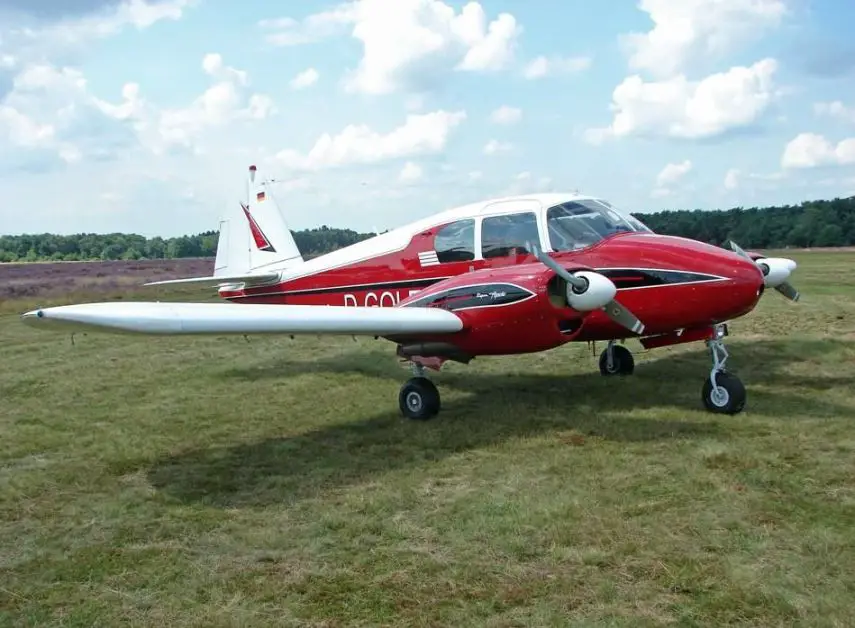
The Piper PA-23 Apache is known for its solid performance and stable handling characteristics.
The twin-engine configuration provides redundancy and safety, making it an excellent training platform for aspiring multi-engine pilots. The Apache’s performance makes it suitable for short to medium-range flights, and its good fuel efficiency is an added advantage.
Applications
The versatility of the Piper PA-23 Apache has led to its use in a variety of roles, including:
- Flight Training: Its twin-engine configuration makes it ideal for multi-engine pilot training.
- Personal and Recreational Flying: The Apache is popular among private owners for its spacious cabin and reliable performance.
- Air Taxi and Charter Services: Its ability to carry multiple passengers and luggage makes it suitable for light commercial operations.
- Aerial Photography and Surveying: The stable flight characteristics and excellent visibility make it suitable for aerial photography and survey work.
Ownership and Maintenance
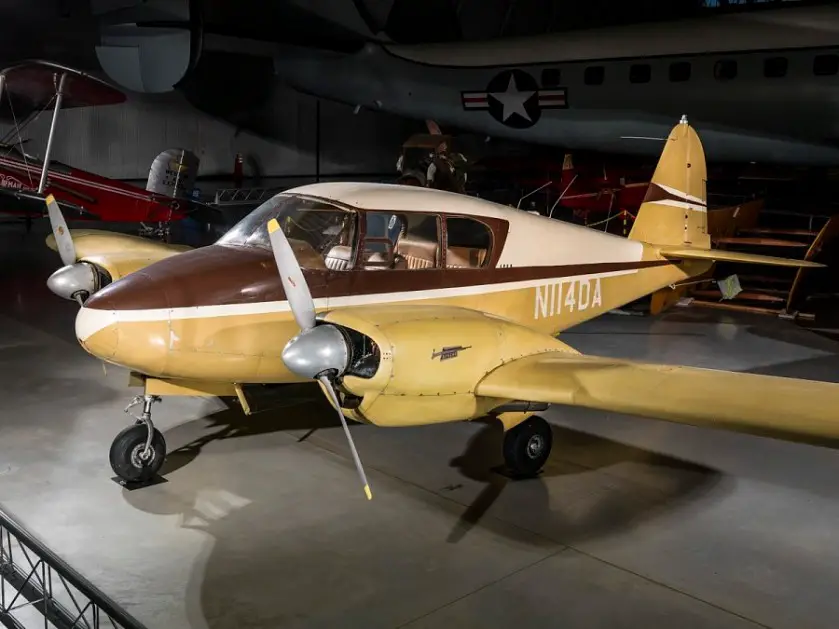
Owning a Piper PA-23 Apache is appealing due to its straightforward maintenance requirements and the availability of parts. The aircraft’s all-metal construction and simple mechanical systems reduce the cost and complexity of maintenance. Additionally, many Apaches have been upgraded with more modern avionics and engines, further enhancing their utility and reliability.
Piper PA-23 Apache Price
The price of a Piper PA-23 Apache can vary widely depending on its condition, age, engine, avionics, and any modifications or restorations it has undergone. As of 2024, prices generally range from:
- Project Condition: $25,000 to $40,000 – Aircraft needing significant restoration work.
- Airworthy Condition: $50,000 to $80,000 – Aircraft in flying condition but may require some updates or minor repairs.
- Restored Condition: $90,000 to $150,000+ – Fully restored and well-maintained aircraft, often with modern avionics and upgraded features.
FAQs
1. What is the Piper PA-23 Apache?
The Piper PA-23 Apache is a twin-engine light aircraft that was introduced in the 1950s. It is well-known for its reliability, affordability, and ease of handling, making it a popular choice among pilots for training and private use.
2. Why is the Piper PA-23 Apache considered a “twin-engine masterpiece”?
The Apache earned this reputation due to its innovative design for its time, exceptional safety features, and reliable performance. It was one of the first widely successful twin-engine aircraft in its class, making it a trailblazer in aviation history.
3. What are the specifications of the Piper PA-23 Apache?
The standard specifications of the Piper PA-23 Apache include:
- Engines: Two Lycoming O-320 series engines (150-160 HP each)
- Maximum Speed: 175 mph (282 km/h)
- Range: Approximately 700 miles (1,127 km)
- Seating Capacity: 4-6 people
- Service Ceiling: Around 19,500 feet (5,944 meters)
4. What makes the Piper PA-23 Apache unique compared to other aircraft of its time?
The Apache stood out for its affordability and versatility. It was one of the first light aircraft to make twin-engine flying accessible to smaller aviation businesses and private owners. Its ease of maintenance and sturdy build added to its appeal.
5. Is the Piper PA-23 Apache still in use today?
Yes, many Piper PA-23 Apaches are still operational, mainly for private flying, flight training, and historical aviation exhibitions. The aircraft remains popular among vintage aviation enthusiasts.
6. How much does a Piper PA-23 Apache cost?
The price of a Piper PA-23 Apache varies depending on its condition, age, and modifications. On the pre-owned market, they typically range from $50,000 to $150,000.
7. What are the maintenance requirements for the Piper PA-23 Apache?
Maintaining a Piper PA-23 Apache involves regular inspections, engine checks, and airframe upkeep. Its relatively simple design for a twin-engine aircraft makes it easier to maintain than many of its contemporaries.
8. Can a beginner pilot handle the Piper PA-23 Apache?
While the Piper PA-23 Apache is beginner-friendly in terms of design and handling, twin-engine flying requires additional training. Aspiring pilots need to complete multi-engine certification to fly the Apache safely.
9. What are some common uses for the Piper PA-23 Apache?
The Apache has been used for various purposes, including:
- Private transportation
- Flight training for multi-engine ratings
- Air taxi services (historically)
- Recreational flying
10. Where can I find Piper PA-23 Apache parts and support?
There are several specialized aviation suppliers and online platforms where you can find parts for the Piper PA-23 Apache. Additionally, aviation forums and vintage aircraft clubs often provide valuable resources and support.
11. What was the role of the Apache in Piper’s aircraft lineup?
The Apache was a pivotal model for Piper, marking their entry into the twin-engine market. Its success paved the way for more advanced models like the Piper Aztec, making it a cornerstone in the company’s history.
12. Are there modern equivalents to the Piper PA-23 Apache?
Yes, modern light twin-engine aircraft, like the Diamond DA62 or the Tecnam P2006T, offer similar versatility with updated technology and performance. However, many pilots appreciate the Apache for its classic charm and proven reliability.
 Aviator Tells
Leave a comment