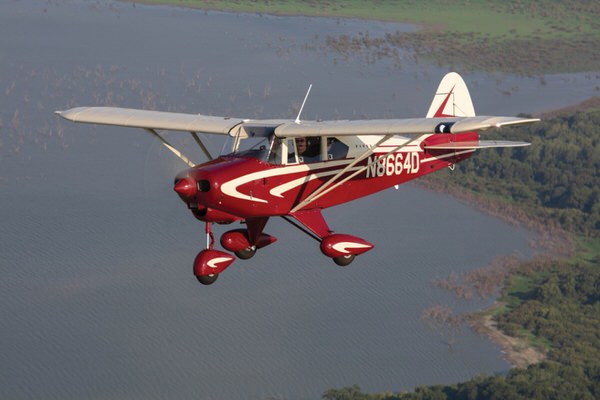
PA-22 Tri-Pacer is a popular light aircraft known for its robust design, good performance, and versatility.
Introduced in the early 1950s by Piper Aircraft, the Tri-Pacer was designed to offer a more user-friendly alternative to tailwheel aircraft, featuring tricycle landing gear for improved ground handling and ease of use.
History and Development
The Piper PA-22 Tri-Pacer was developed from the Piper PA-20 Pacer, incorporating several design changes to improve performance and usability.
First introduced in 1950, the Tri-Pacer was an immediate success, thanks to its ease of handling, reliability, and the innovative tricycle landing gear that made it more accessible to novice pilots. Production continued until 1964, with over 9,000 units built.
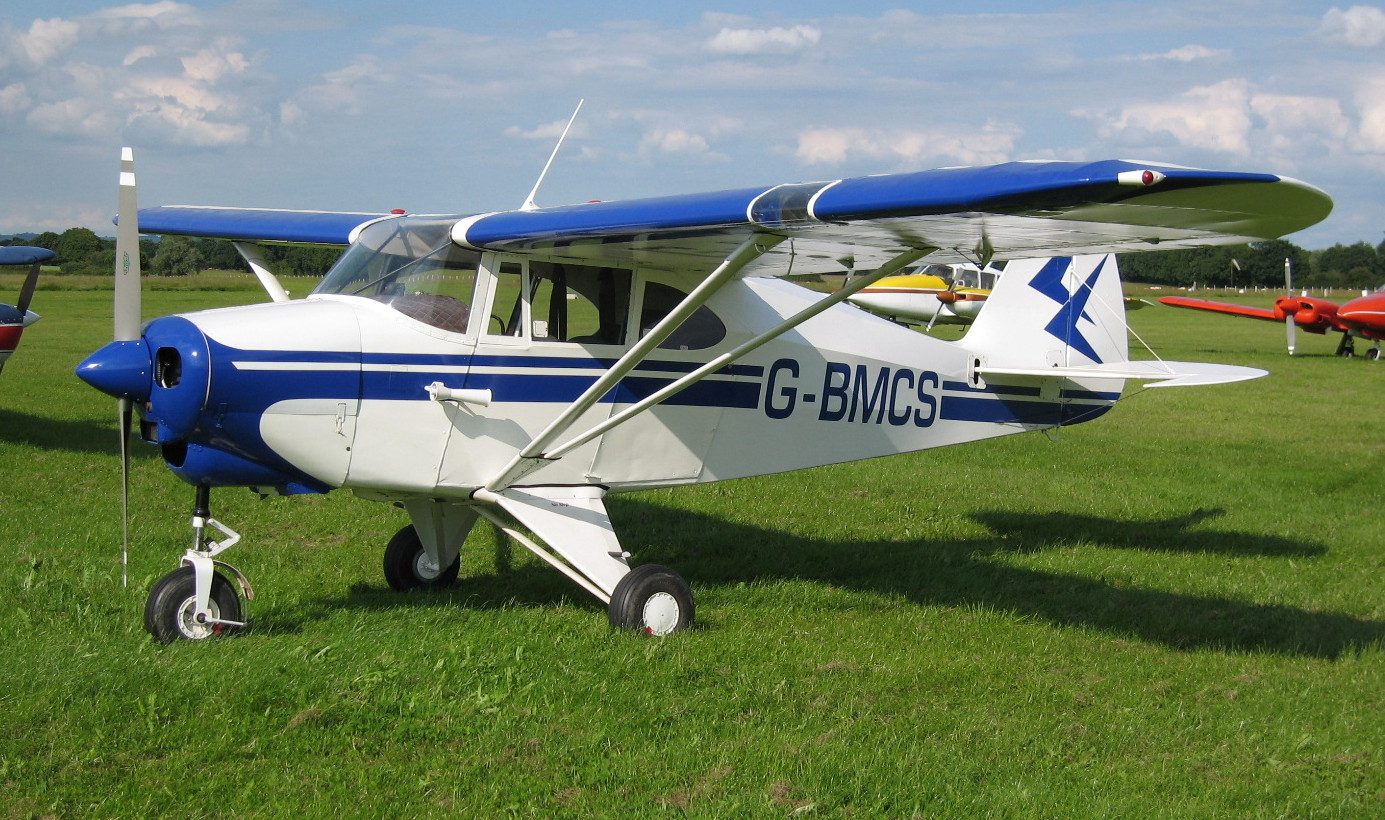
Piper PA-22 Tri-Pacer Design and Features
The Tri-Pacer is a high-wing, four-seat aircraft featuring tricycle landing gear. Its design emphasizes simplicity, durability, and ease of maintenance.
- Airframe: The fuselage is constructed of welded steel tubing with a fabric covering, offering a lightweight yet strong structure.
- Wing Configuration: The high-wing design provides excellent visibility and stability, essential for safe operations and ease of handling.
- Landing Gear: The tricycle landing gear configuration improves ground handling and reduces the risk of ground loops, making it more suitable for training and general aviation.
- Cabin: The spacious cabin can comfortably seat four people, with adequate room for baggage.
- Engine Options: The Tri-Pacer was originally powered by a Lycoming O-290-D2 engine, with later models featuring more powerful engines like the Lycoming O-320.
Piper PA-22 Tri-Pacer Specifications
Here are the detailed specifications for the Piper PA-22 Tri-Pacer:
| Specification | Details |
|---|---|
| Manufacturer | Piper Aircraft |
| First Flight | 1950 |
| Crew | 1 (pilot) |
| Capacity | 3 passengers |
| Length | 20 ft 6 in (6.25 m) |
| Wingspan | 29 ft 4 in (8.94 m) |
| Height | 7 ft 0 in (2.13 m) |
| Wing Area | 147 sq ft (13.7 m²) |
| Empty Weight | 1,200 lbs (544 kg) |
| Gross Weight | 2,000 lbs (907 kg) |
| Powerplant | Lycoming O-320, 150 hp (112 kW) |
| Maximum Speed | 135 mph (217 km/h, 117 knots) |
| Cruise Speed | 120 mph (193 km/h, 104 knots) |
| Range | 450 miles (725 km) |
| Service Ceiling | 16,500 ft (5,029 m) |
| Rate of Climb | 720 ft/min (3.7 m/s) |
If you are interested you should read about the Piper J-3 Cub
Piper PA-22 Tri-Pacer Performance
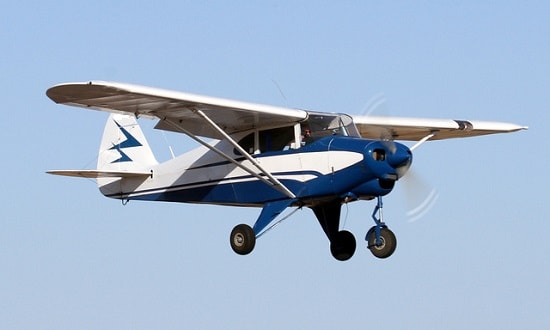
The Piper PA-22 Tri-Pacer is known for its good performance and forgiving handling characteristics. The tricycle landing gear configuration enhances stability and ease of ground handling, making it an ideal aircraft for training new pilots. The Tri-Pacer’s powerful engine provides a good balance of speed and range, making it practical for both short hops and longer cross-country flights.
Applications
The versatility of the Piper PA-22 Tri-Pacer has led to its use in a variety of roles, including:
- Flight Training: Its tricycle landing gear and easy handling make it an excellent training aircraft.
- Personal and Recreational Flying: The Tri-Pacer is popular among private owners for its spacious cabin and reliable performance.
- Utility and Bush Flying: Its robust design and good performance make it suitable for operations on unpaved strips and in remote areas.
- Aerial Photography and Surveying: The high-wing design and stable flight characteristics make it suitable for aerial photography and survey work.
Ownership and Maintenance
Owning a Piper PA-22 Tri-Pacer is appealing due to its straightforward maintenance requirements and the availability of parts. The aircraft’s fabric-covered construction can be easily repaired, and its mechanical simplicity reduces the cost and complexity of maintenance.
Additionally, many Tri-Pacers have been upgraded with more modern avionics and engines, further enhancing their utility and reliability.
Piper PA-22 Tri-Pacer Price
The price of a Piper PA-22 Tri-Pacer can vary widely depending on its condition, age, engine, avionics, and any modifications or restorations it has undergone. As of 2024, prices generally range from:
- Project Condition: $15,000 to $25,000 – Aircraft needing significant restoration work.
- Airworthy Condition: $30,000 to $45,000 – Aircraft in flying condition but may require some updates or minor repairs.
- Restored Condition: $50,000 to $70,000+ – Fully restored and well-maintained aircraft, often with modern avionics and upgraded features.
FAQs
1. What is the Piper PA-22 Tri-Pacer?
The Piper PA-22 Tri-Pacer is a four-seat, single-engine, light aircraft produced by Piper Aircraft from 1950 to 1964. It features a tricycle landing gear, making it easier to handle on the ground compared to taildraggers like the Piper Cub or Super Cub.
2. Why is the Piper PA-22 called the “Tri-Pacer”?
The name “Tri-Pacer” comes from its tricycle landing gear configuration, combined with its reputation as a reliable, family-friendly “pacer” aircraft for general aviation use.
3. What are the specifications of the Piper PA-22 Tri-Pacer?
Key specifications include:
- Engine: Lycoming O-290 or O-320 (125-150 HP)
- Maximum Speed: ~125 mph (201 km/h)
- Range: ~450 miles (724 km)
- Seating Capacity: 4
- Service Ceiling: ~15,000 feet (4,572 meters)
- Takeoff Distance: ~650 feet (198 meters)
4. What makes the Piper PA-22 Tri-Pacer unique?
The Tri-Pacer stands out for its combination of affordability, performance, and ease of use. Its tricycle gear and enclosed cabin made it an appealing choice for family aviation during the mid-20th century.
5. What is the difference between the Piper PA-22 Tri-Pacer and the Piper PA-20 Pacer?
The main difference is the landing gear configuration. The PA-20 Pacer is a taildragger, while the PA-22 Tri-Pacer has a tricycle landing gear, making it more stable and easier to land, especially for less experienced pilots.
6. Is the Piper PA-22 Tri-Pacer still in use today?
Yes, many Piper PA-22 Tri-Pacers are still flying today. They are popular among private pilots, vintage aircraft enthusiasts, and as affordable trainers for new pilots.
7. How much does a Piper PA-22 Tri-Pacer cost?
The price of a Piper PA-22 Tri-Pacer varies based on its condition, engine hours, and modifications. On the used market, prices typically range from $20,000 to $50,000, with restored models commanding higher prices.
8. What are the maintenance requirements for the Piper PA-22 Tri-Pacer?
Maintenance includes regular inspections, oil changes, and ensuring the engine, landing gear, and control systems are in top condition. Older airframes may require additional attention to prevent corrosion and ensure structural integrity.
9. What fuel does the Piper PA-22 Tri-Pacer use?
The Piper PA-22 Tri-Pacer is designed to run on aviation gasoline (avgas), typically 80/87 or 100LL. Some aircraft have been modified to use automotive gasoline (mogas) under FAA-approved Supplemental Type Certificates (STCs).
10. Is the Piper PA-22 Tri-Pacer suitable for beginner pilots?
Yes, the Tri-Pacer is considered beginner-friendly due to its stable tricycle landing gear and forgiving flight characteristics. It’s often used for training and is a great step up from smaller single-engine trainers.
11. Can the Piper PA-22 Tri-Pacer be modified?
Yes, the Tri-Pacer is highly modifiable. Common upgrades include engine replacements, avionics updates, and interior refurbishments. Some owners even convert it to a taildragger configuration, effectively turning it into a PA-20 Pacer.
12. What is the history of the Piper PA-22 Tri-Pacer?
Introduced in 1950, the Tri-Pacer was a response to the growing demand for affordable, family-friendly aircraft. It became one of Piper’s best-selling models, with over 7,000 units produced before being discontinued in 1964.
13. How does the Piper PA-22 Tri-Pacer perform in short-field operations?
The Tri-Pacer performs well in short-field conditions, with a takeoff distance of around 650 feet and a landing distance of approximately 500 feet. These characteristics make it suitable for small airstrips and backcountry flying.
14. Are there modern equivalents to the Piper PA-22 Tri-Pacer?
Modern equivalents include aircraft like the Cessna 172 or Piper Archer. These models offer similar performance with updated technology and materials but often come at a higher cost compared to vintage aircraft like the Tri-Pacer.
15. What are common issues with the Piper PA-22 Tri-Pacer?
Some common issues include:
- Aging fabric covering on older models
- Corrosion in the airframe, especially in humid environments
- Magneto or electrical system wear
- Challenges finding certain original parts
16. Where can I find parts for the Piper PA-22 Tri-Pacer?
Parts for the Tri-Pacer can be sourced from vintage aircraft suppliers, online aviation marketplaces, and specialized salvage yards. Owners often rely on aviation forums and communities for additional support and resources.
17. What is the fuel consumption of the Piper PA-22 Tri-Pacer?
The Tri-Pacer typically consumes around 8-10 gallons of fuel per hour, depending on engine type and power settings.
 Aviator Tells
Leave a comment