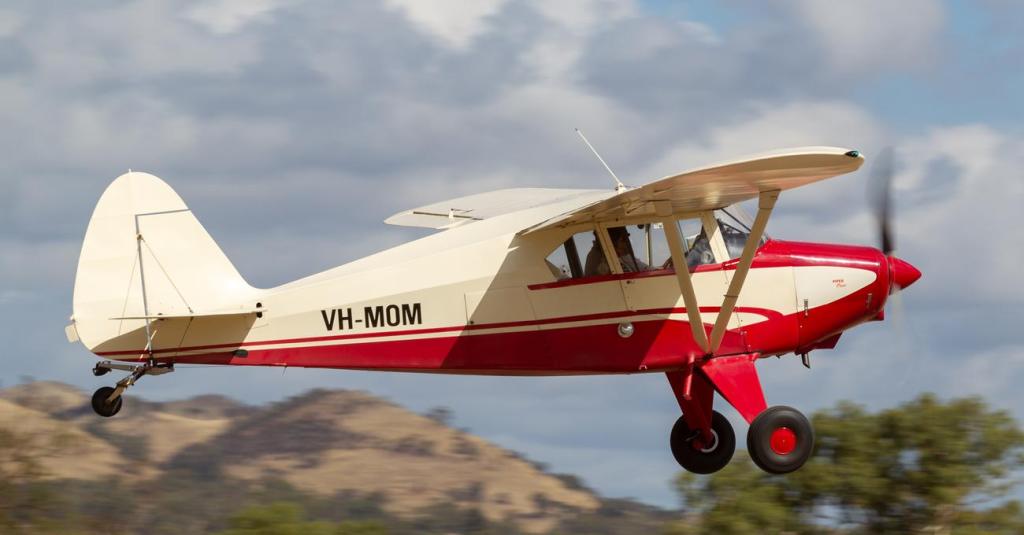
Piper PA-20 Pacer is a four-seat, high-wing, tailwheel aircraft known for its versatility, robustness, and good performance.
Introduced by Piper Aircraft in the late 1940s, the Pacer was designed as a more advanced and spacious alternative to the earlier Piper PA-17 Vagabond and PA-18 Super Cub models.
History and Development
The Piper PA-20 Pacer was first introduced in 1949 as a response to the increasing demand for a more powerful and capable aircraft that could accommodate more passengers and baggage. The Pacer was developed from the PA-16 Clipper, featuring a more powerful engine and several design improvements to enhance its performance and utility. The PA-20 was produced until 1954, when it was succeeded by the tricycle-gear PA-22 Tri-Pacer.
Piper PA-20 Pacer Design and Features
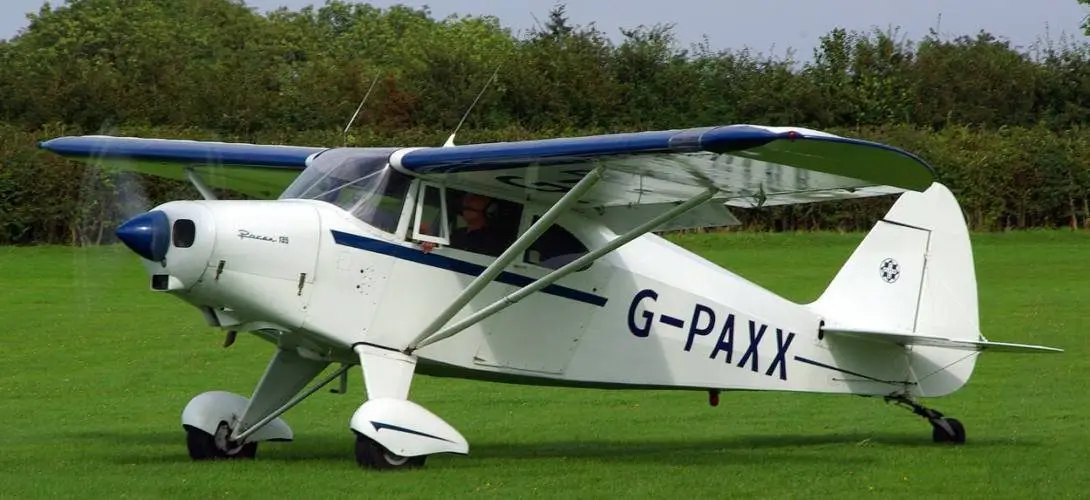
The PA-20 Pacer is a high-wing aircraft with a conventional landing gear (tailwheel) configuration. It was designed to be a rugged and versatile aircraft capable of handling a variety of flying conditions.
- Airframe: The Pacer features a welded steel tube fuselage with fabric covering, providing a lightweight yet durable structure.
- Wing Configuration: The high-wing design offers excellent visibility and stability, which are essential for safe operations and ease of handling.
- Landing Gear: The aircraft is equipped with a fixed, tailwheel-type landing gear, making it suitable for operations on grass strips, gravel runways, and other unpaved surfaces.
- Cabin: The PA-20 has a spacious cabin that can comfortably seat four people, with adequate room for baggage.
- Engine Options: The PA-20 was initially powered by a Lycoming O-290-D2 engine, and later models were equipped with more powerful engines like the Lycoming O-320.
Piper PA-20 Pacer Specifications
Here are the detailed specifications for the Piper PA-20 Pacer:
| Specification | Details |
|---|---|
| Manufacturer | Piper Aircraft |
| First Flight | 1949 |
| Crew | 1 (pilot) |
| Capacity | 3 passengers |
| Length | 20 ft 6 in (6.25 m) |
| Wingspan | 29 ft 4 in (8.94 m) |
| Height | 6 ft 8 in (2.03 m) |
| Wing Area | 147 sq ft (13.7 m²) |
| Empty Weight | 1,000 lbs (454 kg) |
| Gross Weight | 2,000 lbs (907 kg) |
| Powerplant | Lycoming O-290-D2, 135 hp (101 kW) |
| Maximum Speed | 135 mph (217 km/h, 117 knots) |
| Cruise Speed | 125 mph (201 km/h, 109 knots) |
| Range | 500 miles (805 km) |
| Service Ceiling | 15,000 ft (4,572 m) |
| Rate of Climb | 800 ft/min (4.1 m/s) |
Piper PA-20 Pacer Performance and Handling
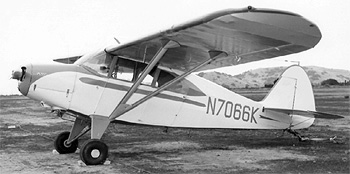
The Piper PA-20 Pacer is known for its good performance and handling characteristics. Its robust design allows it to perform well in a variety of conditions, making it suitable for both paved and unpaved runways. The Pacer’s powerful engine provides a good balance of speed and range, making it a practical aircraft for both short hops and longer cross-country flights.
Applications
The versatility of the Piper PA-20 Pacer has led to its use in a variety of roles, including:
- Personal and Recreational Flying: The Pacer is popular among private owners for its spacious cabin and good performance.
- Flight Training: Many flight schools have used the PA-20 for tailwheel training due to its conventional landing gear configuration.
- Utility and Bush Flying: Its rugged design and ability to operate from unprepared surfaces make it a good choice for utility and bush flying.
- Aerial Photography and Surveying: The high-wing design and stable flight characteristics make it suitable for aerial photography and survey work.
Ownership and Maintenance
Owning a Piper PA-20 Pacer is appealing due to its straightforward maintenance requirements and the availability of parts. The aircraft’s fabric-covered construction can be easily repaired, and its mechanical simplicity reduces the cost and complexity of maintenance. Additionally, many PA-20s have been upgraded with more modern avionics and engines, further enhancing their utility and reliability.
Piper PA-20 Pacer Price
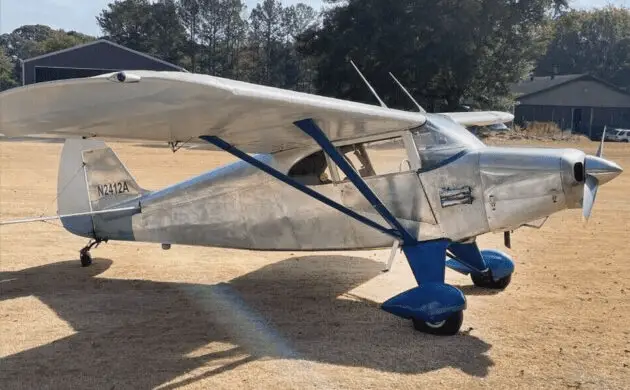
The price of a Piper PA-20 Pacer can vary widely depending on its condition, age, engine, avionics, and any modifications or restorations it has undergone. As of 2024, prices generally range from:
- Project Condition: $20,000 to $35,000 – Aircraft needing significant restoration work.
- Airworthy Condition: $40,000 to $60,000 – Aircraft in flying condition but may require some updates or minor repairs.
- Restored Condition: $60,000 to $90,000+ – Fully restored and well-maintained aircraft, often with modern avionics and upgraded features.
FAQs
1. What is the Piper PA-20 Pacer?
The Piper PA-20 Pacer is a popular four-seat, single-engine, high-wing light aircraft manufactured by Piper Aircraft. Introduced in 1949, the PA-20 is a tailwheel-equipped aircraft known for its simplicity, affordability, and versatility, making it a favorite among general aviation pilots.
2. What is the difference between the Piper Pacer and the Piper Tri-Pacer?
The primary difference lies in the landing gear configuration:
- Piper Pacer (PA-20): Equipped with conventional tailwheel landing gear, requiring more skill for ground handling.
- Piper Tri-Pacer (PA-22): Features tricycle landing gear, offering easier handling and making it more suitable for beginner pilots.
3. What are the specifications of the Piper PA-20 Pacer?
Key specifications include:
- Engine: Lycoming O-290 or O-320, 125-150 HP
- Top Speed: ~125 mph
- Cruise Speed: ~115 mph
- Range: ~480 miles
- Service Ceiling: ~16,000 feet
- Empty Weight: ~1,000 lbs
- Max Takeoff Weight: ~2,000 lbs
4. What kind of engine powers the Piper PA-20?
Most Piper PA-20 Pacers are powered by the Lycoming O-290 or O-320 engines, offering between 125 and 150 horsepower. The specific engine model depends on the variant and any aftermarket modifications.
5. How many seats does the Piper PA-20 have?
The Piper PA-20 Pacer typically has seating for four occupants—two in the front and two in the rear.
6. What type of landing gear does the Piper PA-20 have?
The Piper PA-20 features tailwheel (conventional) landing gear, which provides better performance on unpaved and rugged surfaces but requires more skill during takeoffs and landings compared to tricycle landing gear.
7. What are the advantages of the Piper PA-20 Pacer?
- Affordability: Lower purchase and operating costs compared to many modern aircraft.
- Versatility: Can operate on grass strips, dirt runways, and even be fitted with floats for water landings.
- Simple design: Makes it easier to maintain.
- Classic appeal: Its vintage design and history appeal to aviation enthusiasts.
8. Is the Piper PA-20 suitable for beginner pilots?
The PA-20 is not typically recommended for beginners because of its tailwheel configuration, which requires more advanced ground handling skills. However, with proper training, many pilots become proficient in flying tailwheel aircraft.
9. What is the fuel capacity of the Piper PA-20?
The Piper PA-20 typically has a fuel capacity of 36 gallons, giving it a range of approximately 480 miles, depending on power settings and weather conditions.
10. Can the Piper PA-20 be converted to tricycle landing gear?
Yes, some Piper PA-20 owners have converted their aircraft to tricycle landing gear, effectively transforming it into a configuration similar to the Piper Tri-Pacer. However, this involves significant modifications and may require FAA approval.
11. What are the maintenance requirements for a Piper PA-20?
Regular maintenance for the PA-20 includes:
- Oil changes: Every 25-50 hours of flight.
- Annual inspections: To comply with FAA regulations.
- Tailwheel maintenance: Regularly check for wear and alignment.
- Engine checks: Ensure proper operation of the Lycoming engine.
12. How much does a Piper PA-20 Pacer cost?
The price of a Piper PA-20 varies depending on its condition, modifications, and avionics:
- Project aircraft: $15,000-$30,000
- Airworthy examples: $30,000-$50,000
- Restored models: $50,000-$80,000
13. Can the Piper PA-20 be used for bush flying?
Yes, the Piper PA-20 is an excellent choice for bush flying due to its tailwheel configuration, short-field performance, and ability to handle unimproved runways. Many owners also equip the PA-20 with larger tires or skis for off-runway operations.
14. How does the Piper PA-20 perform compared to modern aircraft?
While the PA-20 lacks the speed, avionics, and fuel efficiency of modern light aircraft, it offers a classic flying experience, affordability, and versatility, making it a practical choice for recreational pilots.
15. What modifications are popular for the Piper PA-20?
Popular modifications include:
- Upgrading to a Lycoming O-320 engine for more power.
- Installing modern avionics, such as GPS or autopilot systems.
- Adding larger tundra tires or floats for specialized operations.
- Enhancing cabin comfort with updated interiors.
16. How does the Piper PA-20 handle in crosswinds?
Tailwheel aircraft like the PA-20 require advanced skills to handle crosswinds during takeoff and landing. Pilots must use proper rudder control to avoid ground loops or instability.
17. What are some historical milestones for the Piper PA-20 Pacer?
- Introduced in 1949 as a more powerful successor to the Piper PA-17 Vagabond.
- Served as the foundation for the Piper PA-22 Tri-Pacer.
- Gained popularity among recreational pilots for its cost-effectiveness and performance.
18. Is the Piper PA-20 still in production?
No, Piper Aircraft discontinued the PA-20 Pacer in the early 1950s, replacing it with the tricycle-geared Piper Tri-Pacer. However, many examples remain airworthy and are actively flown by enthusiasts.
19. What is the history of the Piper PA-20 Pacer?
The PA-20 Pacer was introduced post-World War II during a period of innovation in general aviation. It combined the simplicity of earlier Piper designs with improved power and capacity, targeting pilots who needed a small, versatile aircraft for personal and business use.
20. Where can I find parts for the Piper PA-20?
Parts for the Piper PA-20 are available from:
- Piper Aircraft parts suppliers.
- Aviation salvage yards.
- Online aviation forums and enthusiast groups.
 Aviator Tells
Leave a comment