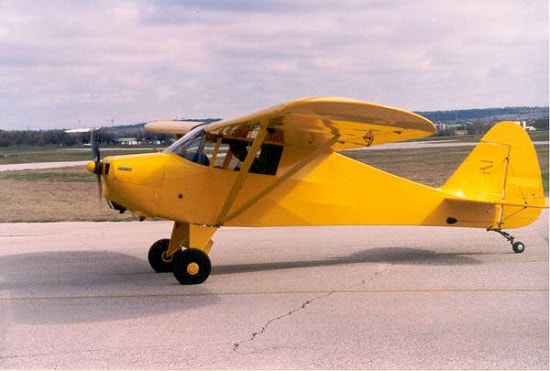
Piper PA-17 Vagabond is a classic light aircraft that has captured the hearts of aviation enthusiasts since its introduction in the late 1940s. Known for its simplicity, affordability, and ease of maintenance, the PA-17 is a beloved model in Piper Aircraft’s rich history.
History and Development
The Piper PA-17 Vagabond was developed by Piper Aircraft as a post-World War II light aircraft aimed at the civilian market. It is part of the Piper “Cub” family, sharing many design elements with the iconic Piper J-3 Cub. The PA-17 was introduced in 1948, following the earlier PA-15 Vagabond, and included a number of improvements and upgrades over its predecessor.
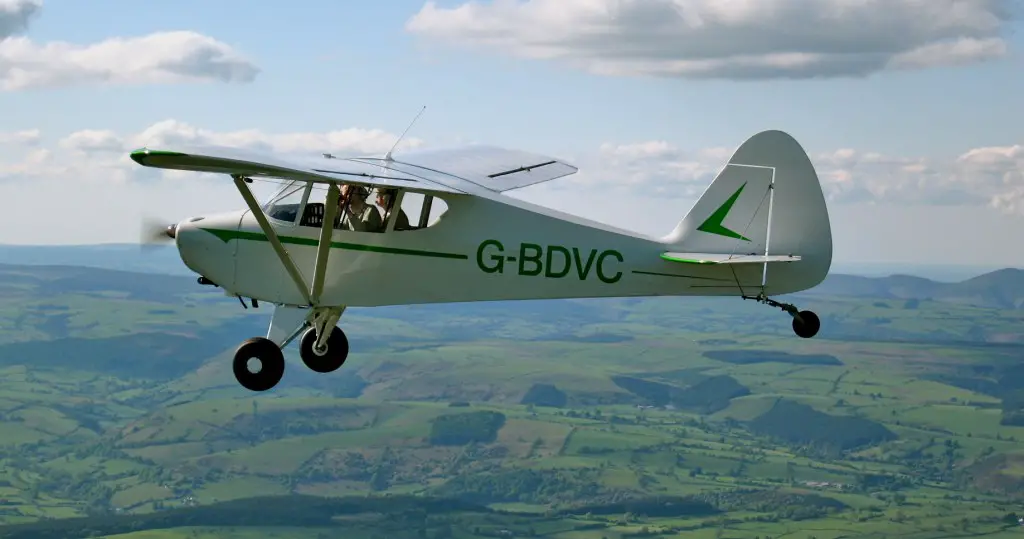
Piper PA-17 Vagabond Design and Features
The Piper PA-17 Vagabond is a high-wing, two-seat aircraft designed for simplicity and efficiency. Here are some of its key features:
- Airframe: The PA-17 features a welded steel tube fuselage covered with fabric, typical of many aircraft of its era. This construction method provides a lightweight and sturdy structure.
- Wing Configuration: It has a high-wing design, providing excellent visibility and stability.
- Landing Gear: The aircraft is equipped with fixed, tailwheel-type landing gear, which is simple and effective for operations on a variety of surfaces.
- Engine: The PA-17 is powered by a Continental A-65-8 engine, a reliable and widely used powerplant in light aircraft.
Piper PA-17 Vagabond Specifications
Here are the detailed specifications for the Piper PA-17 Vagabond:
| Specification | Details |
|---|---|
| Manufacturer | Piper Aircraft |
| First Flight | 1948 |
| Crew | 1 (pilot) |
| Capacity | 1 passenger |
| Length | 18 ft 8 in (5.69 m) |
| Wingspan | 29 ft 3 in (8.92 m) |
| Height | 6 ft 6 in (1.98 m) |
| Wing Area | 126 sq ft (11.7 m²) |
| Empty Weight | 680 lbs (308 kg) |
| Gross Weight | 1,220 lbs (553 kg) |
| Powerplant | Continental A-65-8, 65 hp (48 kW) |
| Maximum Speed | 87 mph (140 km/h, 76 knots) |
| Cruise Speed | 80 mph (130 km/h, 70 knots) |
| Range | 300 miles (480 km) |
| Service Ceiling | 12,500 ft (3,810 m) |
| Rate of Climb | 450 ft/min (2.3 m/s) |
If you are interested you should read about the Piper PA-15 Vagabond
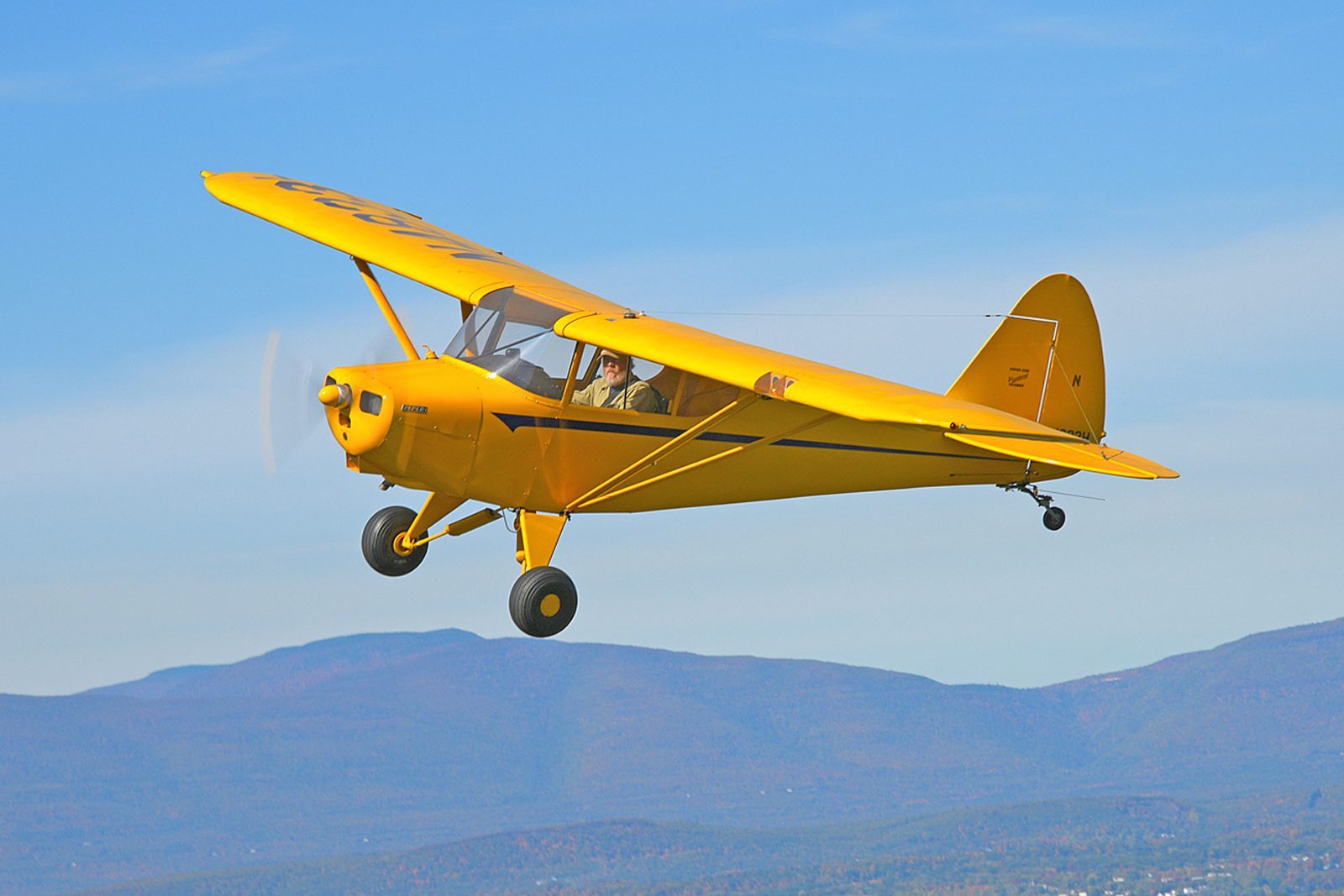
Piper PA-17 Performance and Handling
The Piper PA-17 Vagabond is known for its straightforward handling and good performance for its class. Its light weight and simple controls make it an excellent aircraft for training and recreational flying. The 65-horsepower engine provides adequate power for leisurely flights, while the aircraft’s design ensures stable and predictable flight characteristics.
Ownership and Maintenance
Owning a Piper PA-17 Vagabond is a relatively affordable entry into vintage aircraft ownership. The simplicity of its design and the availability of parts make it easy to maintain. Additionally, its fabric-covered construction can be repaired or recovered by owners with some experience in aircraft maintenance, keeping operational costs lower than those of more complex aircraft.
Piper PA-17 Price
The price of a Piper PA-17 Vagabond can vary widely based on its condition, history, and any modifications or restorations it has undergone. As of 2024, prices generally range from:
- Project Condition: $10,000 to $20,000 – Aircraft needing significant restoration work.
- Airworthy Condition: $25,000 to $40,000 – Aircraft in flying condition but may require some updates or minor repairs.
- Restored Condition: $40,000 to $60,000 – Fully restored and well-maintained aircraft, often with modern avionics and upgraded features.
FAQs
1. What is the Piper PA-17 Vagabond?
The Piper PA-17 Vagabond is a two-seat, single-engine, high-wing aircraft introduced by Piper Aircraft in 1948. It was designed as an affordable, lightweight post-war aircraft for personal use, featuring tandem seating and simple controls.
2. What engine powers the Piper PA-17 Vagabond?
The PA-17 Vagabond is powered by the Continental A-65 engine, producing 65 horsepower. This engine provides adequate performance for its lightweight design and recreational flying purposes.
3. What are the specifications of the Piper PA-17 Vagabond?
Key specifications include:
- Engine: Continental A-65, 65 HP.
- Top Speed: ~100 mph.
- Cruise Speed: ~85 mph.
- Range: ~320 miles.
- Service Ceiling: ~12,000 feet.
- Empty Weight: ~675 lbs.
- Max Takeoff Weight: ~1,200 lbs.
4. What is the seating configuration of the Piper PA-17 Vagabond?
The PA-17 Vagabond features side-by-side seating for two occupants, making it ideal for pilot and passenger interaction during flights.
5. How does the PA-17 Vagabond differ from the PA-15 Vagabond?
The PA-17 Vagabond is an upgraded version of the earlier PA-15 Vagabond. Key differences include:
- Dual flight controls: The PA-17 has controls for both pilot and passenger, while the PA-15 only has a single set for the pilot.
- Improved suspension: For smoother landings.
- Enhanced usability: Making it more versatile for training and recreational flying.
6. What is the history of the Piper PA-17 Vagabond?
The PA-17 Vagabond was introduced in 1948 as part of Piper’s effort to provide a low-cost aircraft for personal aviation. It was developed from the Piper J-3 Cub and PA-15 Vagabond, offering simplicity and affordability in the post-World War II aviation market.
7. How much does a Piper PA-17 Vagabond cost?
The cost of a Piper PA-17 Vagabond varies depending on its condition and modifications:
- Project aircraft: $10,000-$20,000.
- Airworthy examples: $25,000-$35,000.
- Fully restored models: $40,000 or more.
8. What type of landing gear does the Piper PA-17 Vagabond have?
The PA-17 Vagabond is equipped with tailwheel (conventional) landing gear, which is ideal for unpaved and grass runways but requires more skill during takeoffs and landings compared to tricycle landing gear.
9. What are the maintenance requirements for the Piper PA-17 Vagabond?
Maintenance tasks include:
- Oil changes: Every 25-50 flight hours.
- Fabric inspections: Ensure the airframe covering is in good condition.
- Tailwheel alignment: Regularly check for proper operation.
- Engine checks: Maintain the Continental A-65 engine for reliable performance.
10. Is the Piper PA-17 Vagabond suitable for beginner pilots?
While its simplicity makes it accessible, the PA-17’s tailwheel configuration requires proper training and practice for beginners to master ground handling and crosswind landings.
11. What is the fuel capacity of the Piper PA-17 Vagabond?
The PA-17 Vagabond typically has a fuel capacity of 12 gallons, providing a range of approximately 300-350 miles, depending on power settings and flight conditions.
12. What is the Piper PA-17 Vagabond used for?
The Vagabond is primarily used for:
- Recreational flying.
- Flight training: Ideal for tailwheel endorsements.
- Aviation clubs and enthusiasts: A cost-effective way to enjoy general aviation.
13. How does the Piper PA-17 Vagabond perform in crosswinds?
Like most tailwheel aircraft, the PA-17 requires skill and experience to handle crosswinds effectively. Proper rudder control and landing technique are essential to avoid ground loops.
14. Is the Piper PA-17 Vagabond still in production?
No, Piper Aircraft ceased production of the PA-17 Vagabond in the late 1940s. However, many airworthy examples remain in use today, often restored or modified by enthusiasts.
15. How does the Piper PA-17 Vagabond compare to the Piper J-3 Cub?
The PA-17 Vagabond offers:
- Improved speed and handling compared to the J-3 Cub.
- Side-by-side seating, unlike the tandem seating in the J-3 Cub.
- Smaller wingspan for easier storage and ground handling.
16. Can the Piper PA-17 Vagabond be modified?
Yes, common modifications include:
- Upgrading to a more powerful engine, such as the Continental O-200 (100 HP).
- Adding modern avionics, such as GPS or radio systems.
- Enhancing the interior for increased comfort.
17. What are the advantages of owning a Piper PA-17 Vagabond?
- Affordability: Low purchase and operating costs.
- Simple design: Makes it easy to maintain.
- Nostalgia: Appeals to pilots who appreciate classic post-war aircraft.
- Compact size: Convenient for storage and handling.
18. Where can I find parts for the Piper PA-17 Vagabond?
Parts can be sourced from:
- Specialized aviation suppliers.
- Salvage yards: For vintage aircraft components.
- Online forums: Enthusiast groups often exchange parts and advice.
19. How many Piper PA-17 Vagabonds were produced?
Approximately 214 units of the PA-17 Vagabond were manufactured, making it a relatively rare aircraft compared to other Piper models.
20. What is the legacy of the Piper PA-17 Vagabond?
The PA-17 Vagabond holds a special place in aviation history as a simple, affordable aircraft that brought post-war aviation to many individuals. Its design influenced later Piper models and remains cherished by enthusiasts for its charm and practicality.
 Aviator Tells
Leave a comment