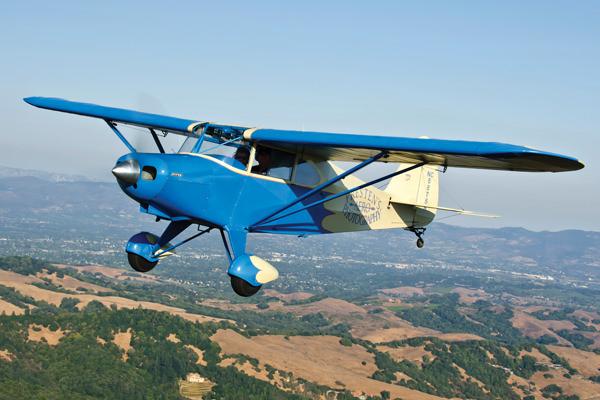
The Piper PA-16 Clipper is a classic light aircraft introduced by Piper Aircraft in 1949. Designed as an affordable and versatile plane, the Clipper was aimed at private pilots and small flying clubs.
This article explores the specifications, performance, history, and legacy of the Piper PA-16 Clipper.
Specifications of the Piper PA-16 Clipper
Here are the key specifications of the Piper PA-16 Clipper:
| Specification | Value |
|---|---|
| Crew | 1 (pilot) |
| Capacity | 3 passengers |
| Length | 20 ft 6 in (6.25 m) |
| Wingspan | 29 ft 3 in (8.92 m) |
| Height | 6 ft 6 in (1.98 m) |
| Wing Area | 147 sq ft (13.65 sq m) |
| Empty Weight | 900 lbs (408 kg) |
| Gross Weight | 1,650 lbs (748 kg) |
| Powerplant | Lycoming O-235-C1 engine |
| Engine Power | 115 hp (86 kW) |
| Propeller | Fixed-pitch |
| Fuel Capacity | 25 gallons (95 liters) |
| Maximum Speed | 115 mph (185 km/h, 100 knots) |
| Cruise Speed | 100 mph (161 km/h, 87 knots) |
| Stall Speed | 48 mph (77 km/h, 42 knots) |
| Range | 360 miles (579 km) |
| Service Ceiling | 14,000 ft (4,267 m) |
| Rate of Climb | 500 ft/min (2.5 m/s) |
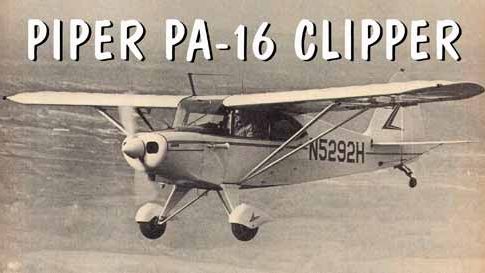
Piper PA-16 Clipper Performance
The Piper PA-16 Clipper offers a range of performance characteristics that made it popular among pilots:
- Affordability: The Clipper was designed to be an affordable aircraft, making it accessible to a wide range of private pilots and flying clubs.
- Versatility: With seating for up to four people (including the pilot), the Clipper is suitable for short trips, training, and recreational flying.
- Simplicity: The Clipper’s simple design makes it easy to maintain and operate, which appeals to amateur pilots and owners.
- Reliable Power: The Lycoming O-235-C1 engine provides reliable performance with a balance of power and fuel efficiency.
History and Development
The Piper PA-16 Clipper was developed as a successor to the popular Piper J-3 Cub and Piper PA-11 Cub Special. Introduced in 1949, the Clipper aimed to offer more seating capacity and greater comfort while maintaining the simplicity and affordability of its predecessors.
The Clipper’s development included several key improvements:
- Four-Seat Configuration: Unlike the two-seat Cub models, the Clipper was designed to accommodate up to four occupants, making it more versatile for family use and small groups.
- Improved Cabin: The cabin was designed to be more spacious and comfortable, with better visibility for both the pilot and passengers.
- Enhanced Performance: The Clipper featured a more powerful engine and improved aerodynamics, resulting in better overall performance compared to the Cub models.
If you are interested you should read about the Piper PA-15 Vagabond
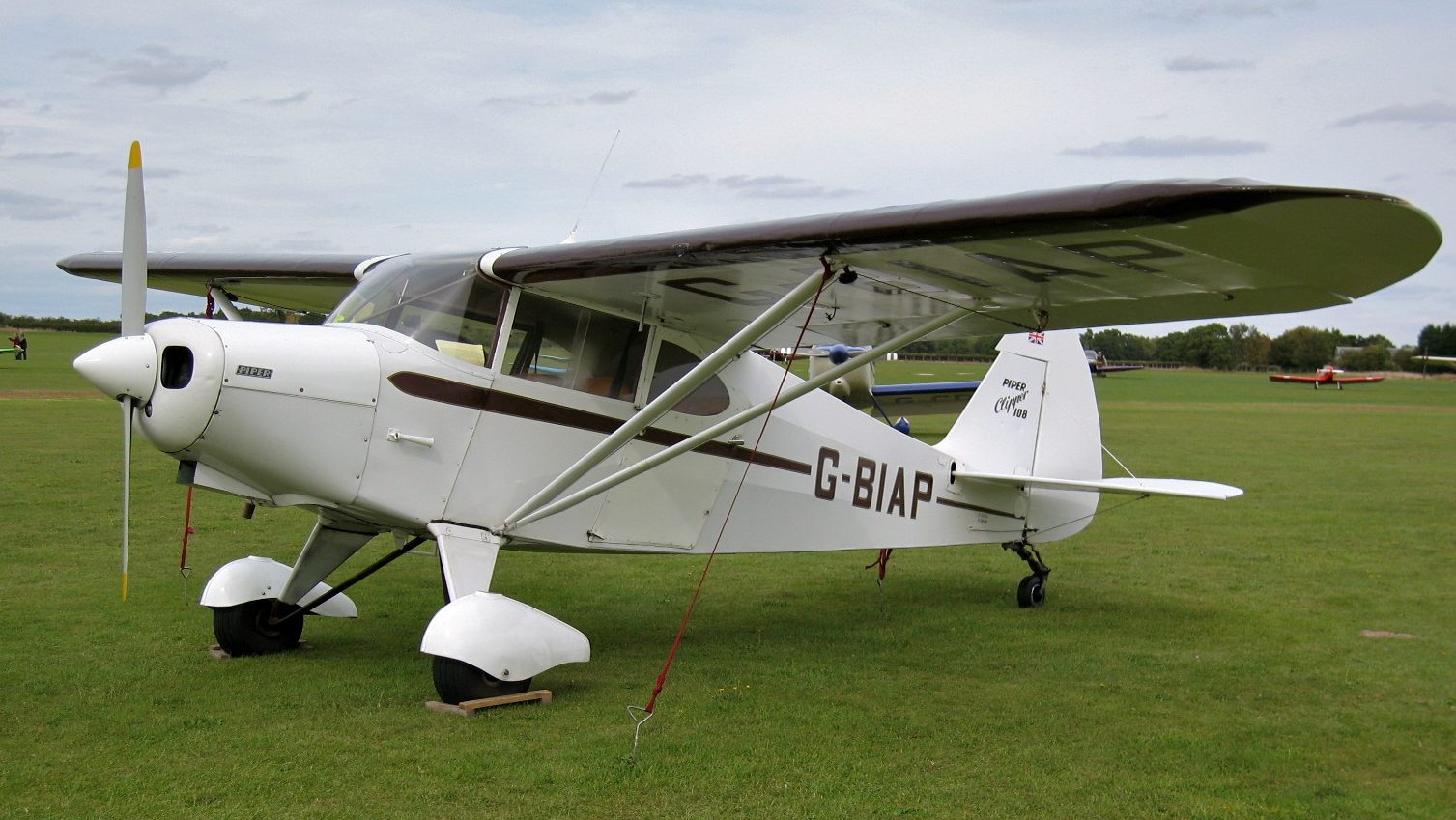
Piper PA-16 Clipper Applications
The Piper PA-16 Clipper has been used in various applications, reflecting its versatility and popularity:
- Private Aviation: The Clipper is widely used by private pilots for recreational flying, training, and short trips.
- Flight Training: Its simplicity and ease of handling make the Clipper a good choice for flight schools and instructors.
- Aerial Photography: The Clipper’s stable flight characteristics and good visibility make it suitable for aerial photography and observation.
- Light Transport: With its seating capacity and reasonable payload, the Clipper can be used for light transport of passengers and cargo.
Piper PA-16 Clipper Maintenance and Restoration
For vintage aircraft enthusiasts and restorers, the Piper PA-16 Clipper remains a popular choice:
- Parts Availability: Many parts are still available through specialized suppliers and vintage aircraft parts dealers. Commonly replaced parts include engine components, control surfaces, and landing gear.
- Restoration Projects: Restoring a Piper PA-16 Clipper involves inspecting and refurbishing the airframe, engine, and systems. Restoration projects can range from simple overhauls to complete rebuilds.
- Community Support: The Clipper has a dedicated community of owners and enthusiasts who share knowledge, resources, and support for maintenance and restoration efforts.
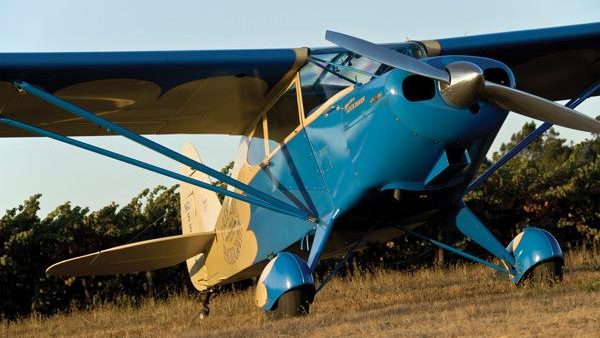
Piper PA-16 Clipper Price
- Restored or Well-Maintained Aircraft:
- Price Range: $30,000 to $50,000
- Description: These aircraft are in excellent condition with extensive maintenance records, low flight hours, and possibly some modern avionics upgrades. They have been restored or meticulously maintained to ensure reliability and performance.
- Average Condition Aircraft:
- Price Range: $20,000 to $30,000
- Description: These Clippers are in good flying condition but may have higher flight hours and show signs of normal wear and tear. They are generally well-maintained but might not have recent upgrades or extensive restorations.
- Project Aircraft:
- Price Range: $10,000 to $20,000
- Description: These aircraft may require significant work to become airworthy. They might have been sitting idle for some time and need restoration or major repairs. These are ideal for enthusiasts looking for a project to restore.
FAQs
1. What is the Piper PA-16 Clipper?
The Piper PA-16 Clipper is a lightweight, four-seat, single-engine, high-wing monoplane introduced by Piper Aircraft in 1949. It was designed as an affordable family aircraft, combining practicality and performance for personal aviation.
2. What engine powers the Piper PA-16 Clipper?
The PA-16 Clipper is powered by a Lycoming O-235-C1 engine, producing 115 horsepower. This engine provides reliable performance for short trips and general aviation needs.
3. What are the specifications of the Piper PA-16 Clipper?
Key specifications include:
- Engine: Lycoming O-235-C1, 115 HP.
- Top Speed: ~125 mph.
- Cruise Speed: ~108 mph.
- Range: ~400 miles.
- Service Ceiling: ~15,000 feet.
- Empty Weight: ~970 lbs.
- Max Takeoff Weight: ~1,650 lbs.
4. How does the Piper PA-16 Clipper differ from the Piper PA-15 and PA-17 Vagabond?
The PA-16 Clipper builds on the Vagabond series with the following enhancements:
- Four-seat capacity compared to the Vagabond’s two seats.
- Stronger engine (Lycoming O-235-C1) for increased power and performance.
- Larger fuselage for added passenger and cargo space.
- Improved wing design for better handling and stability.
5. What type of landing gear does the Piper PA-16 Clipper have?
The PA-16 Clipper is equipped with tailwheel (conventional) landing gear, which requires some experience to handle but is ideal for unpaved runways.
6. What is the history of the Piper PA-16 Clipper?
The Piper PA-16 Clipper was introduced in 1949 as an affordable, entry-level four-seater aircraft. Its design bridges the gap between the smaller Vagabond series and the larger Piper PA-20 Pacer. Production ended in 1950 after approximately 736 units were built, as Piper shifted focus to the PA-20 Pacer.
7. How much does a Piper PA-16 Clipper cost?
Prices for a Piper PA-16 Clipper vary based on condition and modifications:
- Project aircraft: $15,000–$25,000.
- Airworthy examples: $30,000–$45,000.
- Restored models: $50,000 or more.
8. What is the Piper PA-16 Clipper used for?
The PA-16 Clipper is versatile and used for:
- Recreational flying by families and enthusiasts.
- Short-haul travel due to its fuel efficiency and range.
- Pilot training, especially for tailwheel endorsements.
9. What is the fuel capacity of the Piper PA-16 Clipper?
The PA-16 Clipper has a fuel capacity of 25 gallons, giving it a range of approximately 400 miles at cruise speed.
10. Is the Piper PA-16 Clipper suitable for beginner pilots?
While the PA-16 Clipper is straightforward to fly, its tailwheel configuration requires specific training and practice, making it less ideal for absolute beginners without tailwheel experience.
11. What are the maintenance requirements for the Piper PA-16 Clipper?
Regular maintenance tasks include:
- Oil changes every 25-50 hours of flight time.
- Inspection of fabric covering for damage or wear.
- Engine checks to ensure optimal performance of the Lycoming O-235 engine.
- Tailwheel servicing for proper alignment and functionality.
12. Can the Piper PA-16 Clipper be modified?
Yes, common modifications include:
- Engine upgrades: Installing a more powerful engine, such as the Lycoming O-320, for better performance.
- Modern avionics: Adding GPS, radios, or digital flight instruments.
- Landing gear upgrades: Enhancing the tailwheel or converting to tricycle gear (though less common).
13. What is the cruising speed of the Piper PA-16 Clipper?
The Piper PA-16 Clipper has a cruising speed of approximately 108 mph, making it suitable for short- to medium-range flights.
14. How does the Piper PA-16 Clipper perform in crosswinds?
Like most tailwheel aircraft, the Clipper requires skill to handle crosswinds. Proper rudder control and landing techniques are essential to avoid ground loops.
15. What are the advantages of owning a Piper PA-16 Clipper?
- Affordable entry-level four-seater.
- Good fuel efficiency and operating costs.
- Classic design and nostalgia.
- Simple maintenance due to its basic systems.
16. What are the challenges of owning a Piper PA-16 Clipper?
- Tailwheel configuration: Requires specific training for safe operation.
- Fabric covering: May need periodic inspection and repairs.
- Parts availability: While many parts are available, some components may require sourcing from specialized suppliers or salvage yards.
17. How many Piper PA-16 Clippers are still flying today?
Many of the 736 Clippers built are still airworthy today, thanks to dedicated restorations and the aircraft’s simple, durable design.
18. Can the Piper PA-16 Clipper be flown solo?
Yes, the Clipper can be flown solo. However, its side-by-side seating and controls make it ideal for flying with a copilot or passengers.
19. Is the Piper PA-16 Clipper still in production?
No, the Piper PA-16 Clipper ceased production in 1950, as it was succeeded by the Piper PA-20 Pacer, which featured additional improvements.
20. What is the legacy of the Piper PA-16 Clipper?
The Piper PA-16 Clipper holds a significant place in aviation history as a transitional aircraft that combined affordability and functionality. It remains a cherished model for aviation enthusiasts who appreciate its classic design and practical performance.

 Aviator Tells
Leave a comment