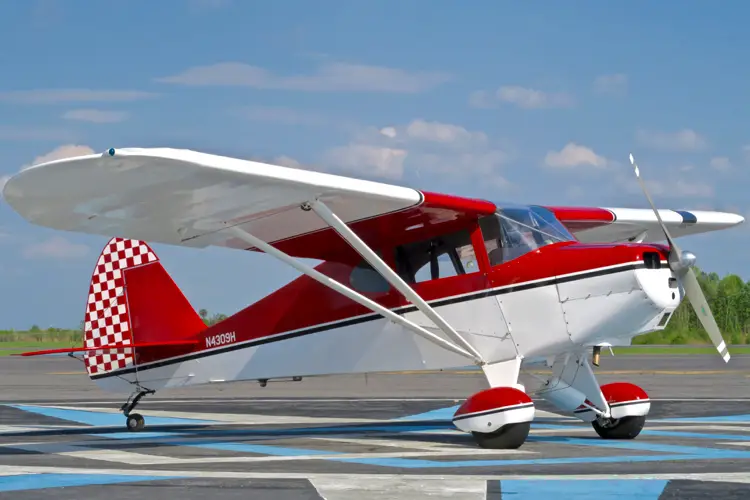
This light machine made history through the all American-Economy issues.
The Piper PA-15 Vagabond is a small, two-seat, single-engine monoplane that epitomizes the simplicity and charm of post-World War II aviation.
Developed by Piper Aircraft, the PA-15 Vagabond was designed to be an affordable and easy-to-fly aircraft, making it popular among private pilots and flight training schools.
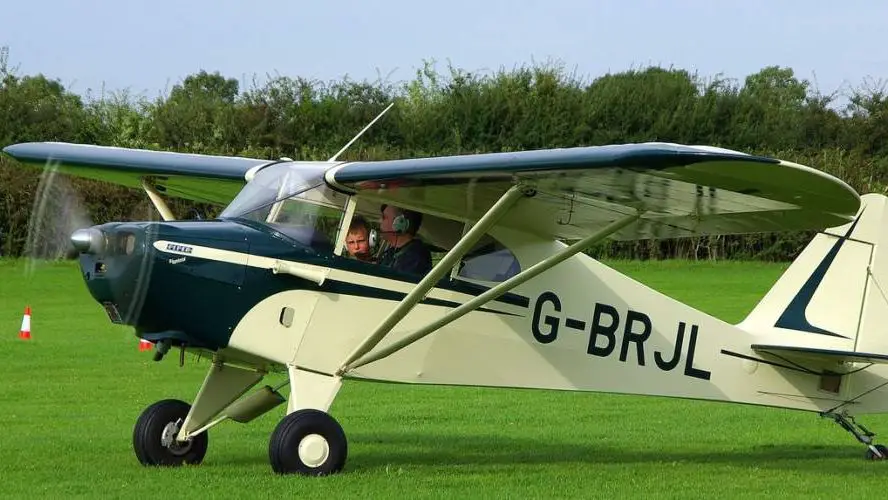
Specifications of the Piper PA-15 Vagabond
Here are the key specifications of the Piper PA-15 Vagabond:
| Specification | Value |
|---|---|
| Crew | 1 (pilot) |
| Capacity | 1 passenger |
| Length | 19 ft 2 in (5.84 m) |
| Wingspan | 29 ft 3 in (8.92 m) |
| Height | 6 ft 6 in (1.98 m) |
| Wing Area | 132 sq ft (12.3 sq m) |
| Empty Weight | 625 lb (283 kg) |
| Gross Weight | 1,150 lb (522 kg) |
| Powerplant | Continental A-65-8, 65 hp (48 kW) |
| Fuel Capacity | 12 US gallons (45 liters) |
| Max Speed | 87 mph (140 km/h, 76 knots) |
| Cruise Speed | 75 mph (121 km/h, 65 knots) |
| Stall Speed | 38 mph (61 km/h, 33 knots) |
| Range | 250 miles (400 km) |
| Service Ceiling | 12,000 ft (3,660 m) |
| Rate of Climb | 450 ft/min (2.3 m/s) |
If you are interested you should read about the Piper J-3 Cub
Piper PA-15 Vagabond Performance Characteristics
The Piper PA-15 Vagabond offers a range of performance characteristics that make it suitable for recreational flying and basic flight training:
- Economical Operation: The PA-15 Vagabond’s Continental A-65-8 engine is fuel-efficient and easy to maintain, making it an economical choice for private pilots.
- Simple Handling: The aircraft’s design emphasizes simplicity and ease of handling, which is ideal for novice pilots.
- Lightweight Design: With a low empty weight of 625 lbs, the Vagabond provides good performance with modest power.
- Short Takeoff and Landing: Its lightweight design and effective wing area allow for short takeoff and landing distances, making it suitable for small airstrips and grass fields.
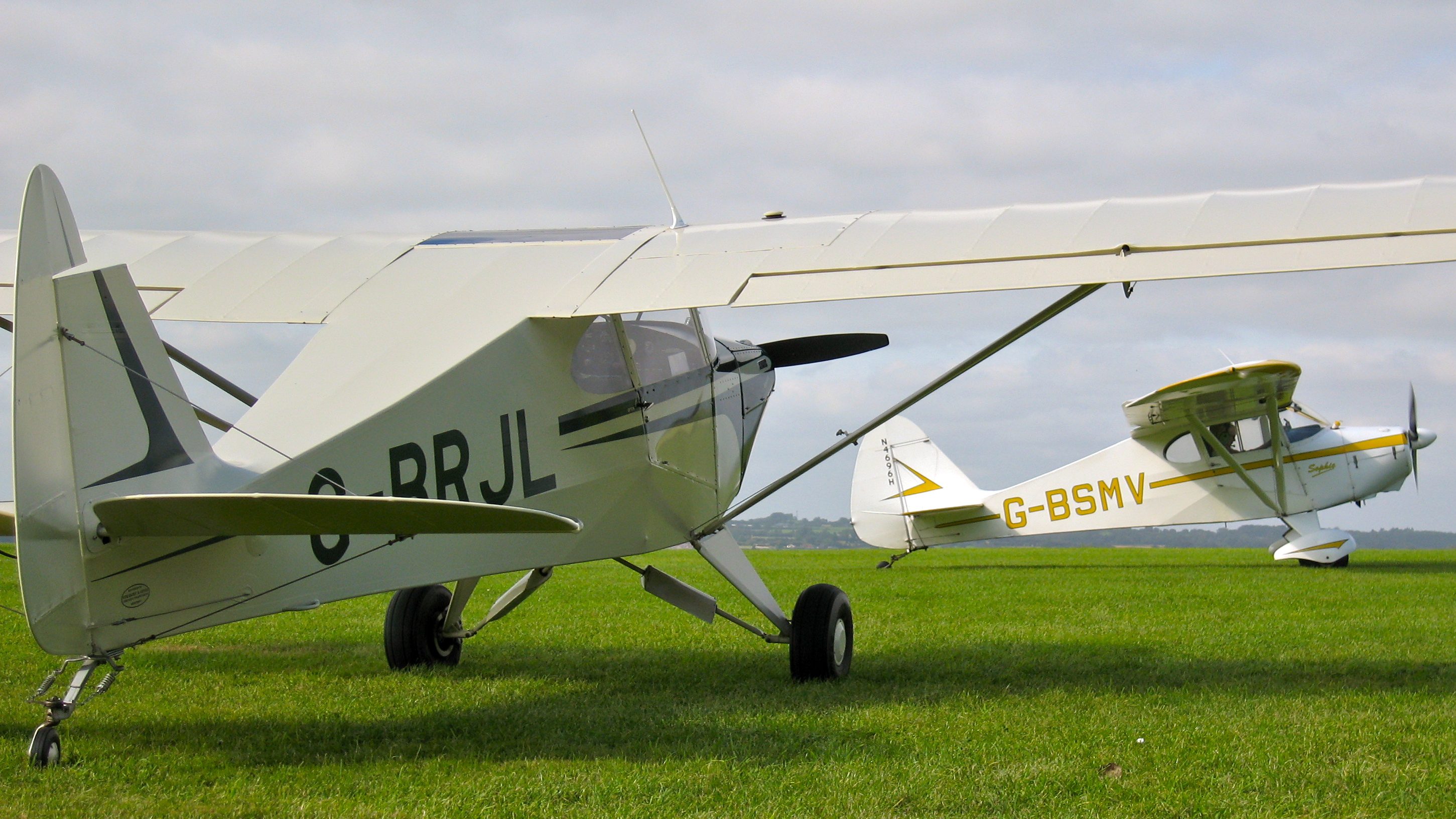
Piper PA-15 Vagabond Design and Construction
The Piper PA-15 Vagabond is constructed using a steel tube frame covered with fabric, a common design approach for light aircraft of its era. The high-wing configuration offers excellent visibility for pilots and passengers, and the side-by-side seating arrangement provides comfort and ease of communication between occupants.
Legacy and Modern Use
- Affordability: Its affordability made it accessible to many post-war pilots, contributing to the growth of general aviation.
- Training: Many flight schools used the Vagabond for primary flight training, taking advantage of its docile handling characteristics.
- Preservation: Today, the PA-15 Vagabond is cherished by vintage aircraft enthusiasts. Many restored examples can be seen at airshows and fly-ins, showcasing the enduring appeal of this classic aircraft.
Piper PA-15 Vagabond Price
The price of a Piper PA-15 Vagabond can vary significantly based on several factors, including the aircraft’s condition, age, total flight hours, and the extent of any restorations or modifications. Here are some general price ranges you might encounter:
- Restored and Airworthy Condition: A fully restored and airworthy Piper PA-15 Vagabond, with updated avionics and in excellent condition, can range from $25,000 to $40,000 or more. These aircraft have typically undergone extensive refurbishment to bring them up to modern standards while maintaining their vintage charm.
- Good Condition: A PA-15 Vagabond in good condition but without recent restorations or major updates might be priced between $15,000 and $25,000. These aircraft are generally in flyable condition but may require some maintenance or updates.
- Fair Condition/Project Aircraft: PA-15 Vagabonds that are in fair condition or are considered project aircraft (requiring significant work to become airworthy) can be found for $10,000 to $15,000. These planes may need substantial investment in terms of time, money, and expertise to restore.
 Aviator Tells
Leave a comment