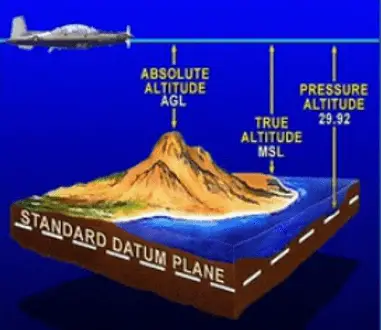
Altitude plays a crucial role in aviation, influencing navigation, performance, and safety during flight. Pilots and aviation enthusiasts alike benefit from a comprehensive understanding of the various types of altitude. In this article, we will explore the different types of altitude, their significance, and commonly asked questions regarding altitude in aviation.
In aviation, there are primarily three types of altitude:
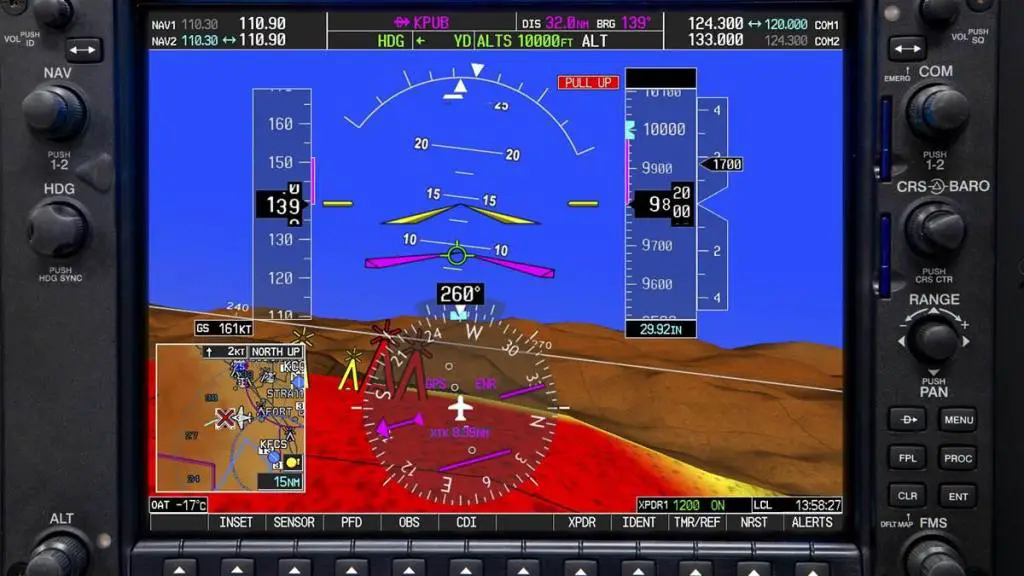
- Indicated Altitude (IAS): This altitude is read directly from the altimeter in the aircraft’s cockpit. It shows the height above sea level based on atmospheric pressure. However, it may not always be accurate due to variations in atmospheric pressure.
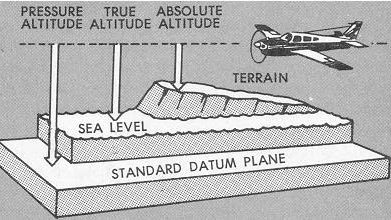
- True Altitude (MSL): True altitude represents the actual height above mean sea level (MSL). It’s calculated by correcting the indicated altitude for non-standard atmospheric conditions. True altitude is important for navigation and flight planning purposes.
- Pressure Altitude (PA): Pressure altitude is calculated by setting the altimeter to a standard pressure setting (usually 29.92 inches of mercury or 1013.2 millibars). It represents the altitude above the standard datum plane, a theoretical level where the pressure is 29.92 inches of mercury. Pressure altitude is used in flight planning, performance calculations, and to determine aircraft performance at different atmospheric conditions.
| Type of Altitude | Definition | Importance |
|---|---|---|
| Indicated | Altitude displayed on the altimeter | Awareness of height above sea level |
| True | Actual height above mean sea level (MSL) | Accurate navigation and flight planning |
| Pressure | Altitude above the standard datum plane | Flight planning and performance calculations |
If you are interested you should read about Boeing Model 1
FAQs (Frequently Asked Questions)
- Why is true altitude important? True altitude provides an accurate measure of an aircraft’s height above mean sea level (MSL), crucial for precise navigation, terrain clearance, and flight planning.
- How does atmospheric pressure affect altitude readings? Changes in atmospheric pressure can influence indicated altitude readings, leading to inaccuracies. Pilots adjust for these variations by setting the altimeter to the current local pressure or using pressure altitude for performance calculations.
- What is density altitude? Density altitude is pressure altitude corrected for non-standard temperature variations. It indicates air density and affects aircraft performance, particularly during takeoff and landing.
- How do pilots ensure altitude awareness during flight? Pilots rely on altimeters, radar altimeters, and vertical navigation instruments to maintain altitude awareness. Continuous monitoring and cross-checking of altitude readings are essential for safety.
- Why is pressure altitude used in flight planning? Pressure altitude provides a standardized reference point for flight planning and performance calculations, enabling pilots to assess aircraft performance across different atmospheric conditions.

 Aviator Tells
Leave a comment