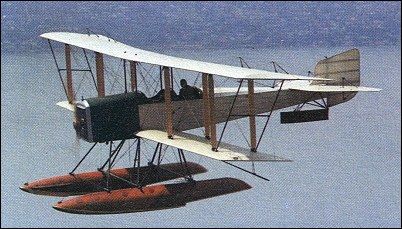
When it comes to aviation, few names carry the same weight as Boeing. The aerospace giant has been at the forefront of aircraft development for over 100 years, but it all started with the Boeing Model 1. This innovative aircraft is a testament to the early days of flight, representing the dawn of aviation and laying the foundation for modern aerospace marvels.

Boeing Model 1’s Design and Features
The Boeing Model 1 revolutionized the aviation industry with its innovative design, creating a new standard for aircraft specifications. Designed by William Boeing in partnership with George Conrad Westervelt, the Model 1 was a biplane that boasted a durable wooden frame covered in a varnished fabric that allowed it to withstand the elements and the wear of frequent flights.
| Power Plant | 50hp Hall-Scott A-5 |
| Wingspan | 44 ft (13.4 m) |
| Length | 26 ft 6 in (8.1 m) |
| Height | 10 ft 6 in (3.2 m) |
| Crew/Passengers | 2 |
| Max Speed | 75 mph (121 km/h) |
| Range | 200 mi (320 km) |
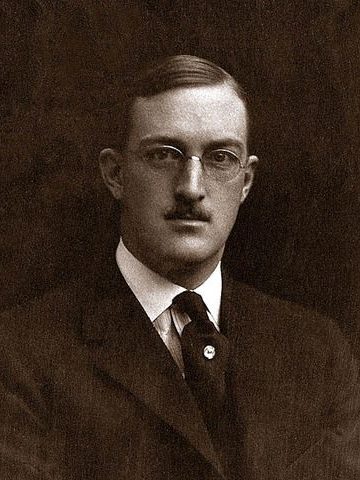
William Boeing, a successful timber businessman, was enthralled with aviation and the potential of aircraft for transportation and communication. In 1916, Boeing founded the Pacific Aero Products Company, which would later become known as the Boeing Company.
With his love for aviation and innovative vision, Boeing led his company to become a pioneering force in the industry. Under Boeing’s leadership, the company produced a sequence of successful planes, culminating in the Boeing Model 1. This aircraft became a game-changer, setting a new standard in the aviation industry, with Boeing at the helm.
Boeing Model 1 First Flight
On July 15, 1916, the Boeing Model 1 made its inaugural flight, marking a significant milestone in aviation history. As one of the first aircraft built by the newly established Boeing company, the Model 1 represented a pivotal moment in the dawn of modern aviation.
The flight took place at Seattle’s Lake Union, with pilot Herb Munter at the controls. The plane quickly gained altitude and soared smoothly, demonstrating its innovative design and impressive performance.
The Boeing Model 1’s first flight was not only a triumph for the young Boeing company, but it also signaled a turning point in the technological evolution of aircraft. Its success paved the way for future developments and set early aviation records, earning it a well-deserved place in the annals of aviation.
Legacy and Influences
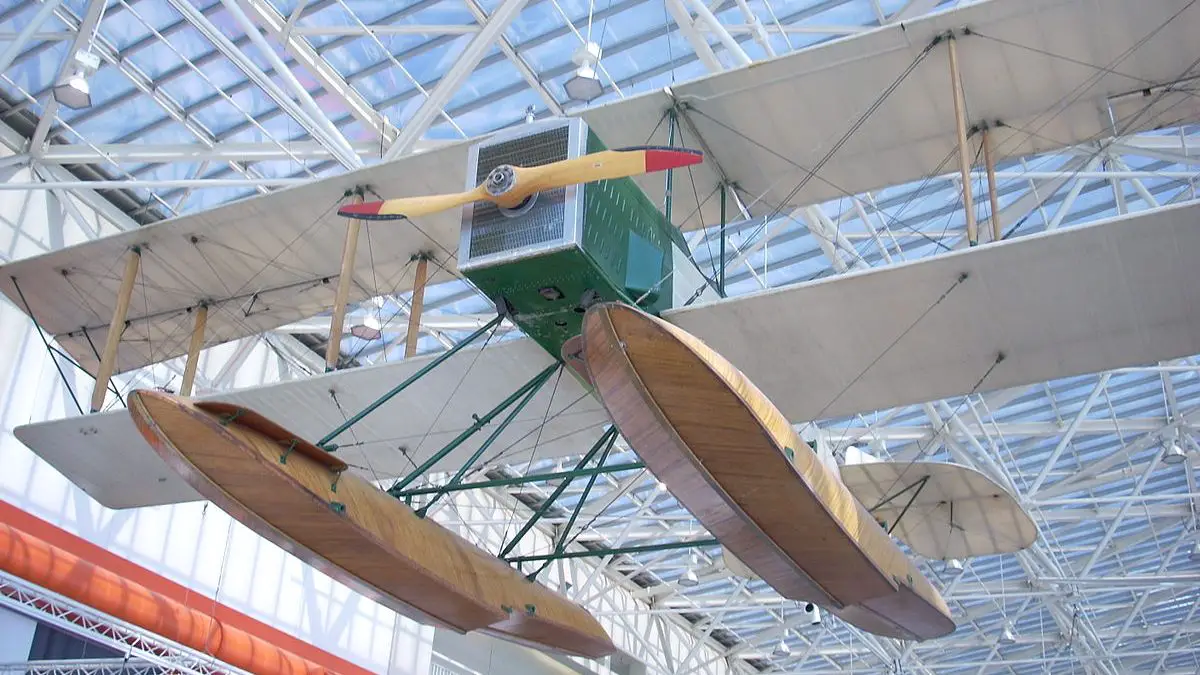
The aviation legacy of the Boeing Model 1 cannot be overstated. The aircraft’s innovative design and engineering advancements paved the way for the creation of more sophisticated and advanced aircraft in the future. The Boeing Model 1 introduced and tested aerodynamic features that are still being used today in modern aerospace technology, including controlled movement, stabilizers, and rudders.
Due to the Model 1’s pioneering role, Boeing Company became a leader in the aviation industry, manufacturing aircraft that were faster, more efficient, and safer to fly, and for transforming commercial air travel as we know it today.
The influence of the Boeing Model 1 and its technological advancements can be seen in the development of military aircraft, space rockets, and unmanned aerial vehicles. The Model 1 served as a proof of concept and paved the way for aircraft such as the Boeing B-17 Flying Fortress, Boeing 747, and the Boeing 787 Dreamliner, among others.



 Aviator Tells
Leave a comment